Mariama Hamani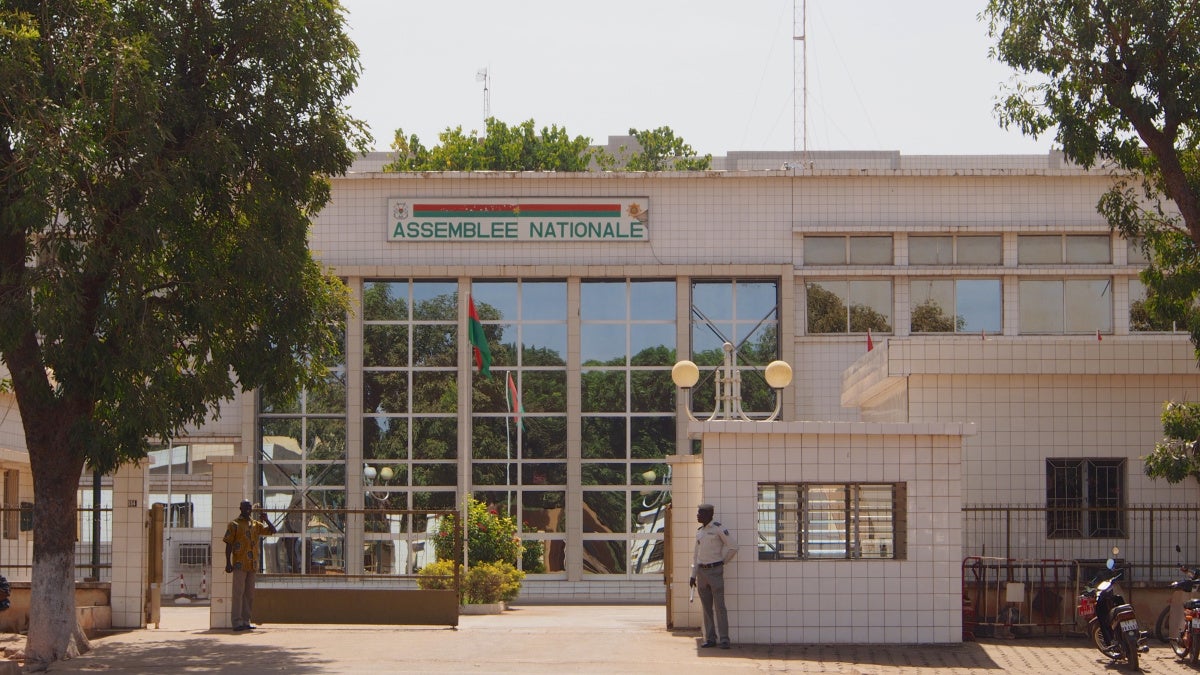
Burkina Faso’s new anti-LGBTQ+ law sparks global outrage
On September 1st, Burkina Faso’s transitional legislative assembly passed a controversial law criminalizing same-sex relationships, marking a significant setback for LGBTQ+ rights in the country. Under this new legislation, individuals found guilty of consensual homosexual acts face up to five years in prison, along with substantial financial penalties.
The law represents a direct violation of LGBTQ+ individuals’ rights to non-discrimination and privacy. It was enacted amid a growing crackdown on civil and political freedoms by the military junta, targeting opposition groups, media outlets, and peaceful protesters.
Historical context and regional trends
Prior to this change, Burkina Faso had no explicit laws against same-sex relationships. Unlike many African nations, it did not inherit colonial-era sodomy laws. The new provisions were embedded within the broader Family and Persons Code, which was unanimously approved by all 71 members of the transitional assembly.
The legislation criminalizes “behaviors or acts promoting homosexuality and related practices,” imposing severe penalties including imprisonment and fines. Justice Minister Edasso Rodrigue Bayala defended the law, stating it aligns with “the deep aspirations of our society” and upholds “cultural values.”
A violation of international human rights standards
Burkina Faso’s decision to criminalize consensual same-sex relationships directly contradicts its obligations under the African Charter on Human and Peoples’ Rights and the International Covenant on Civil and Political Rights.
Recent legal developments in other African nations highlight a contrasting trend. Courts in Botswana, Mauritius, and Namibia have struck down laws criminalizing homosexuality, affirming that such measures violate the rights to privacy and non-discrimination for LGBTQ+ individuals.
Consequences for human rights and safety
Beyond violating fundamental rights, anti-LGBTQ+ laws often fuel violence and abuse against sexual minorities. In 2014, the African Commission on Human and Peoples’ Rights urged African Union member states to “end acts of violation and abuse” targeting individuals based on their sexual orientation or gender identity.
Experts argue that Burkina Faso’s military leadership must reconsider this legislation. They urge President Ibrahim Traoré to either veto the Family and Persons Code or return it to the assembly for revisions that align with international human rights standards and protect the dignity of all citizens, regardless of sexual orientation or gender identity.

 Boureima Amadou