Mariama Hamani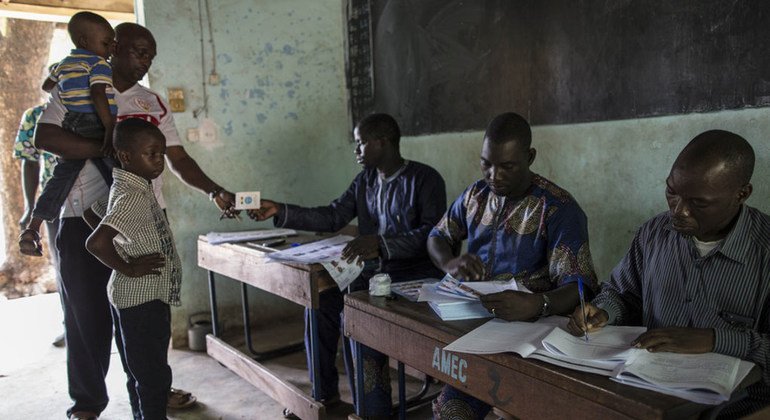
The United Nations High Commissioner for Human Rights has raised alarm over the escalating political crisis in Mali, warning of a dangerous shift toward authoritarianism and intensified repression under the current military leadership.
Since seizing power in 2020, the junta led by General Assimi Goïta has implemented sweeping legal reforms that centralize authority and delay democratic elections indefinitely. Volker Türk, the UN rights chief, emphasized that these changes effectively close the door on future elections, calling for the immediate restoration of fundamental freedoms for the Malian people.
democratic backsliding and suspended elections
Mali has not held a presidential election since Ibrahim Boubacar Keïta was removed in a coup in 2020, a transition that the UN Security Council condemned. In July 2025, a new law granted General Goïta the power to extend his mandate without elections for as long as necessary, citing the need for national pacification. Earlier, a presidential decree dissolved all political parties and organizations, further undermining the public’s right to political participation.
Volker Türk condemned these measures as violations of citizens’ rights to engage in public affairs, vote, and stand for office. The indefinite postponement of elections, combined with systematic repression, risks entrenching Mali in a cycle of political deadlock and instability.
systematic repression and crackdown on dissent
The junta’s tightening grip on power has coincided with a surge in state-led repression. Political opponents, journalists, and civil society figures face arrest on vague charges such as “undermining state credibility” or “opposing legitimate authority.” Moussa Mara, a former prime minister and prominent critic of the regime, was detained in August for expressing solidarity with imprisoned activists on social media, a case emblematic of the broader crackdown.
Volker Türk warned that laws are being weaponized to silence dissent, with arrests surging across society. The UN has documented hundreds of cases since April 2025, including extrajudicial killings, arbitrary detentions, forced disappearances, and abductions—perpetrated not only by armed groups but also by state forces and allied paramilitary units.
civilian toll amid security operations
While Mali continues to grapple with jihadist violence from groups like the Group for the Support of Islam and Muslims (GSIM)—affiliated with Al-Qaeda—and ISIS, military responses frequently target civilians. Operations conducted with support from the Africa Corps, a Russian paramilitary group, have been linked to widespread abuses, including mass killings and kidnappings.
The UN report underscores a grim reality: the combination of delayed elections, unchecked repression, and ongoing insecurity threatens to push Mali deeper into political paralysis and humanitarian crisis.

 Boureima Amadou