Boureima Amadou
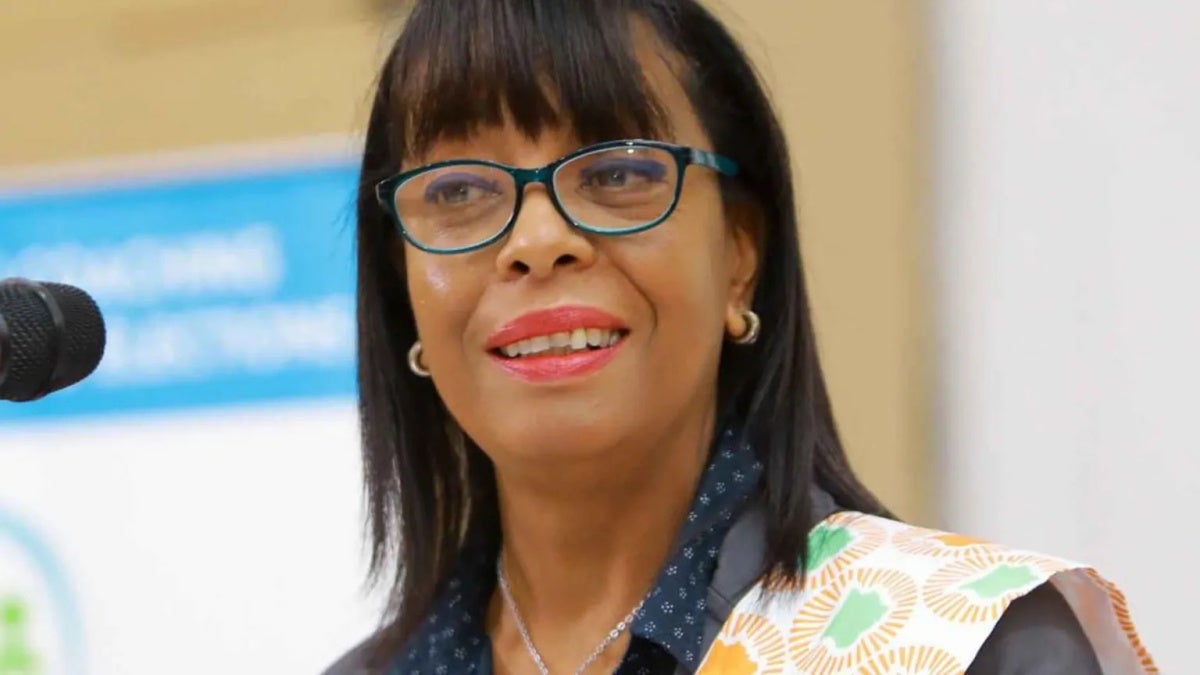
The military leadership in Burkina Faso has declared the top United Nations representative in the country, Carol Flore-Smereczniak, persona non grata this week. The move follows the release of a critical UN report documenting grave violations against children amid ongoing conflict.
This marks the second expulsion of a high-ranking UN official by the junta, after Barbara Manzi was declared persona non grata in 2022. The pattern underscores the military government’s growing resistance to independent oversight.
UN report fuels tensions with junta over child rights violations
A spokesperson for the junta accused Flore-Smereczniak of contributing to the April report, which details severe consequences of the armed conflict on Burkina Faso’s youngest population. Authorities dismissed the findings, which implicate government forces, allied militias, and Islamist armed groups in widespread abuses.
The report documents 2,483 grave violations against 2,255 children between July 2022 and June 2024. These include killings, abductions, and the recruitment or use of minors by armed factions. Islamist groups accounted for 65% of the documented abuses, while state security forces and civilian auxiliaries—known as Volontaires pour la Défense de la Patrie (VDP)—were responsible for the remainder.
Disturbing trends highlighted in the report include a sharp rise in attacks on schools and the arbitrary detention of children suspected of links to armed groups. Human rights organizations have long documented similar abuses by all parties involved in the conflict since 2016, including targeted violence against students, educators, and educational facilities.
Burkina Faso’s junta rejects international criticism
In recent months, Burkina Faso’s military leadership has repeatedly criticized the United Nations, challenging terminology used in reports and calling for a realignment of UN interventions with the government’s stated vision.
In March, the Foreign Minister condemned the use of phrases such as “non-state armed groups” to describe terrorist organizations and referred to the VDP as “militias.” By July, the government formally requested that the UN refocus its operations in the country to better align with national priorities.
Since seizing power in a 2022 coup, the military authorities have intensified repression against media outlets, political opponents, and dissenting voices. Rather than addressing abuses, the junta’s actions suggest a deliberate effort to obstruct accountability and international scrutiny.

 Mariama Hamani