Mariama Hamani
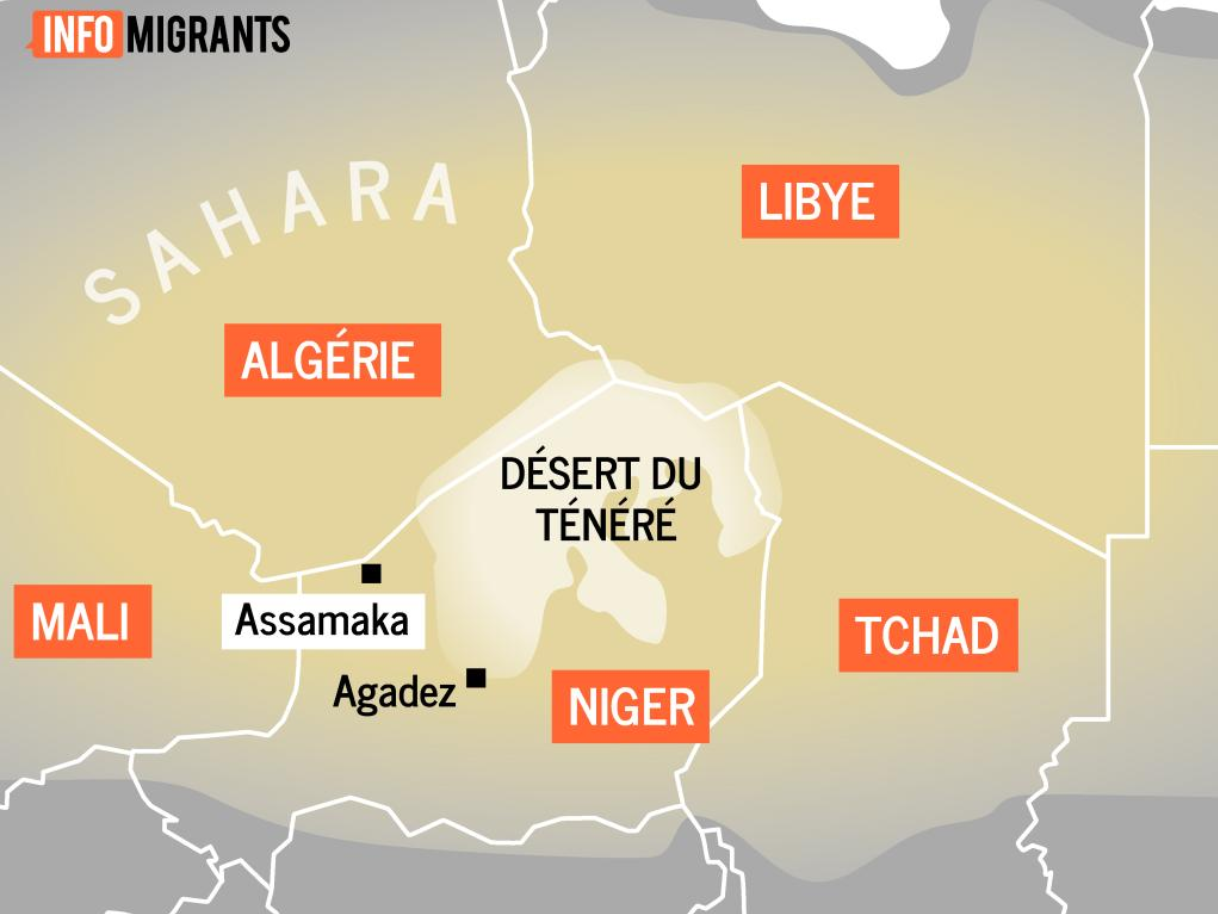
In a rare and significant development, the extremist faction Boko Haram has released more than four hundred hostages in Nigeria’s restive northeast, a region still grappling with persistent insurgent activity despite fifteen years of sustained military campaigns. This unprecedented release comes amid a surge in armed faction clashes vying for influence around Lake Chad. While Abuja has not yet disclosed the precise mechanics of the handover, the long-standing practice of ransom payments—widely documented in the area—has sparked speculation about potential concessions made behind the scenes.
Large-scale release shrouded in secrecy
The northeastern states of Borno, Yobe, and Adamawa remain the epicenter of Nigeria’s jihadist insurgency, which flared in 2009. Most of those freed were civilians from rural communities seized during armed raids on villages, markets, or isolated highways. Though the return of four hundred people marks an unprecedented scale, it also underscores the staggering number of civilians held by the group—often used as bargaining chips, forced labor, or recruitment pools.
The exact terms of the release remain unclear. Historical precedents, including the 2014 abduction of Chibok schoolgirls, reveal that negotiations typically involve religious or traditional intermediaries, sometimes with foreign facilitation. Abuja has repeatedly denied paying ransoms directly, though indirect mediation has been acknowledged. Yet beneath the official stance of uncompromising resolve lies a covert economy of captivity that continues to sustain armed factions.
Kidnapping as a financing backbone for West African jihad
Mass abductions have become a defining tactic for Islamist movements in West Africa. Boko Haram, its splinter faction the Islamic State’s West Africa Province (ISWAP), and even criminal gangs in Nigeria’s northwest have weaponized kidnapping for ransom to fund weapons, logistics, and fighter sustenance. This predatory economy has expanded into neighboring Niger, Cameroon, and Chad, creating a cross-border market of captivity.
Beyond financial motives, hostage-taking serves as a political tool. It pressures governments into negotiations, legitimizes militant leaders, and erodes public trust in state security. In Abuja, President Bola Tinubu, who took office in May 2023, faces mounting criticism over the military’s inability to secure rural areas. While high-profile releases offer symbolic victories, they fail to disrupt the cycle of abductions, which regenerates as groups replenish their coffers.
A regional security challenge spanning beyond Nigeria
The Lake Chad basin has been home to one of Africa’s most protracted humanitarian crises for over a decade. UN agencies estimate that millions have been displaced, with nearly four million dependent on food aid. The Multinational Joint Task Force—comprising Nigeria, Niger, Chad, Cameroon, and Benin—struggles to implement a unified response, hindered by diplomatic ruptures following Sahelian coups and Niger’s withdrawal from key regional cooperation frameworks.
For investors and operators in northern Nigeria—particularly in agribusiness, hydrocarbon projects, and rural telecoms—the risk of kidnapping has evolved into a structural cost. Companies increasingly rely on private security, specialized insurance, and travel restrictions, inflating operational expenses. Though the release of four hundred hostages is welcome, it does little to alter the underlying calculus: as long as ransom remains more lucrative than surrender, the captivity industry will persist.
This episode also highlights the urgent need for an integrated strategy combining development, justice, and regional cooperation, especially as defense budgets in Lake Chad states face severe strain.


 Boureima Amadou