Mariama Hamani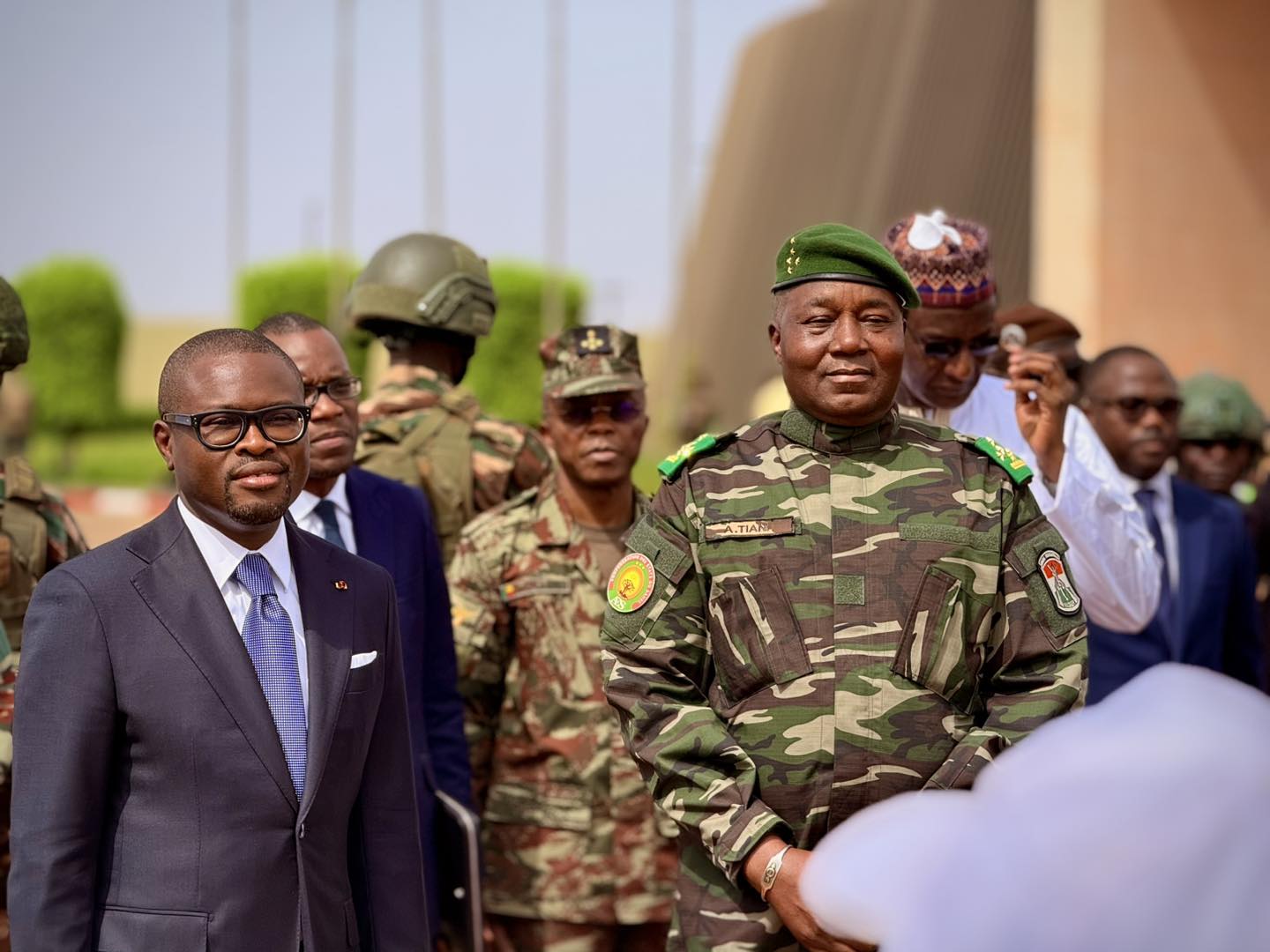
The government in Cotonou has inaugurated a significant diplomatic reorientation. Immediately following his inauguration as Bénin’s head of state, President Romuald Wadagni embarked on a strategic regional tour, commencing with visits to Niamey and Ouagadougou. The primary objective is to alleviate strained relations with the Alliance of Sahel States (AES) nations and reassert Bénin’s indispensable role within the sub-region.
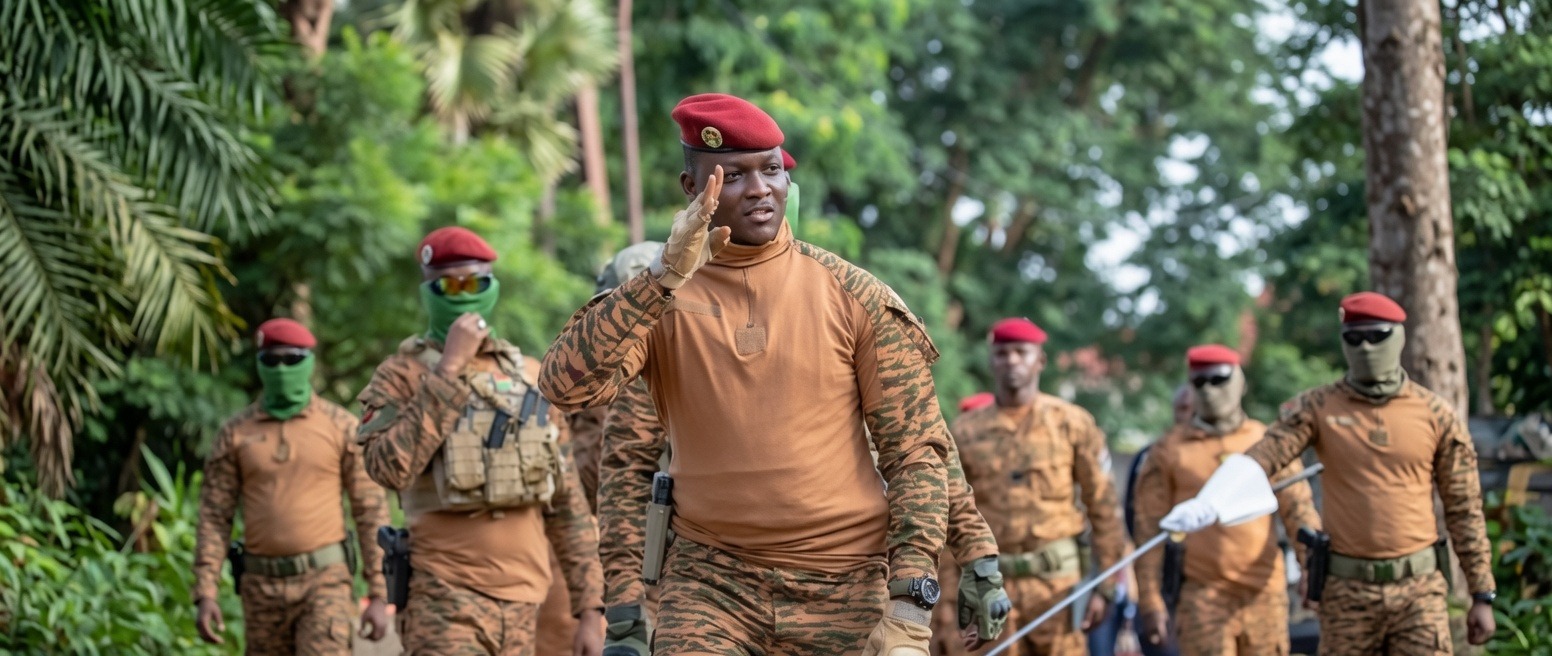
This series of high-level engagements materialized with a swiftness that surprised many observers. Romuald Wadagni, freshly invested in the Béninese presidency, traveled to Niamey on June 2nd for discussions with General Abdourahamane Tiani. Subsequently, he proceeded to Ouagadougou to meet with Captain Ibrahim Traoré. Plans also include visits to Lomé, Abidjan, and Accra before the week concludes. These rapid diplomatic overtures signal a profound shift after several years characterized by turbulent relations with some neighboring countries.
economic pragmatism guiding peace efforts
By selecting Niger and Burkina Faso as the initial destinations for his neighborhood diplomacy, the new president has made a powerful statement. Relations between Cotonou and the AES capitals had noticeably deteriorated in recent years. This period was marked by border closures, the embargo on Nigerien crude oil transported via the Sèmè-Kpodji pipeline, and mutual accusations concerning regional security destabilization.
As a former Minister of Economy and Finance, Romuald Wadagni approaches this complex crisis with a characteristic pragmatic outlook. For Bénin, the effective reopening of the Nigerien border and the streamlining of the transport corridor to the Sahel represent critical economic imperatives, vital for the operational vitality of the Autonomous Port of Cotonou.
key discussion points
Official communications from the Béninese State Protocol indicate that discussions will primarily concentrate on regional security concerns, prospects for economic and trade cooperation, and strategies to strengthen solidarity among the respective populations.
a three-pronged diplomatic strategy for Cotonou
This diplomatic offensive is a direct response to urgent challenges that are pivotal to the success of the new head of state’s mandate:
- Transborder Security: Confronting the persistent jihadist threat impacting northern Bénin along its borders with Burkina Faso and Niger, the resumption of military cooperation and intelligence sharing is deemed essential by military command structures.
- Commercial Re-engagement: Rebuilding trust with Niamey is crucial for normalizing the export of Nigerien crude and revitalizing the transit of goods.
- Regional Equilibrium: Following his Sahelian engagements, the Béninese president plans to visit his ECOWAS partners (Togo, Côte d’Ivoire, Ghana). This aims to position Bénin as a facilitator, working to prevent a definitive rupture between the various blocs in West Africa.
navigating the challenges of a new diplomatic chapter
While this proactive approach has been widely lauded by business communities and regional analysts as a revitalizing force for Béninese diplomacy, the path to compromise remains fraught with obstacles. Resolving the accumulated disputes of the past two years will undoubtedly require more than symbolic gestures of goodwill.
Nevertheless, by taking decisive action in the early days of his presidency, Romuald Wadagni is clearly asserting his diplomatic signature: one characterized by an unconstrained approach, centered on dialogue and economic realism. This strategy is indispensable for stabilizing a rapidly evolving West African landscape.

 Boureima Amadou