Boureima Amadou
West Africa
surviving Jnim blockades in Mali amid hunger, fear and talks
Tuesday, 2 June 2026 /

The Jnim’s strategy now hinges on blockades as its primary weapon of war. By shutting down roads, barring access to farmlands, grinding local markets to a halt and enforcing strict social and religious codes, the armed group isn’t aiming for conquest—it’s pushing communities to the brink of collapse. In towns like Marébougou, Saye and Kori-Maoundé, families cling to survival through quiet defiance, desperate adaptation and uneasy compromises.
how blockades reshape daily life in central Mali
Every road closure becomes a slow death sentence for villages cut off from supplies. Markets that once buzzed with trade now stand desolate, their stalls empty and prices skyrocketing. Farmers watch their fields wither under threat, knowing any attempt to harvest could draw punishment. The fear isn’t just of hunger—it’s of retaliation for daring to resist or even question the new order enforced by the Jnim.
the invisible front lines of negotiation
Some residents have turned to silent negotiations, trading small concessions for fragile safety. In exchange for compliance with imposed rules, families secure limited access to water points or permission to tend to livestock under watch. Others resist quietly—hiding crops, diverting paths to avoid checkpoints or sharing information through coded whispers. Yet every move carries risk; the line between survival and punishment is razor-thin.
the human cost behind the strategy
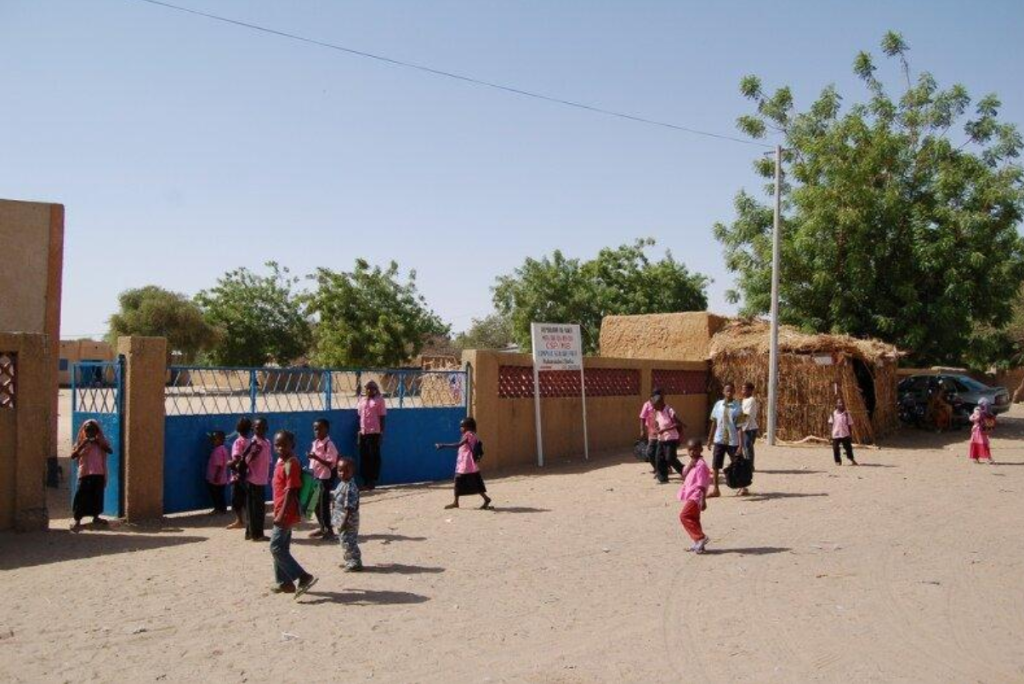
Children’s laughter has faded in villages where schools have shuttered indefinitely. Mothers ration meals, stretching millet and rice into thin porridge to feed families. Elders whisper of past harvests, now a distant memory, while young men weigh the impossible choice between fleeing into uncertain exile or staying to protect what little remains. The Jnim’s grip tightens not with overt battles, but through the suffocating weight of prolonged isolation and unspoken terror.