Boureima Amadou
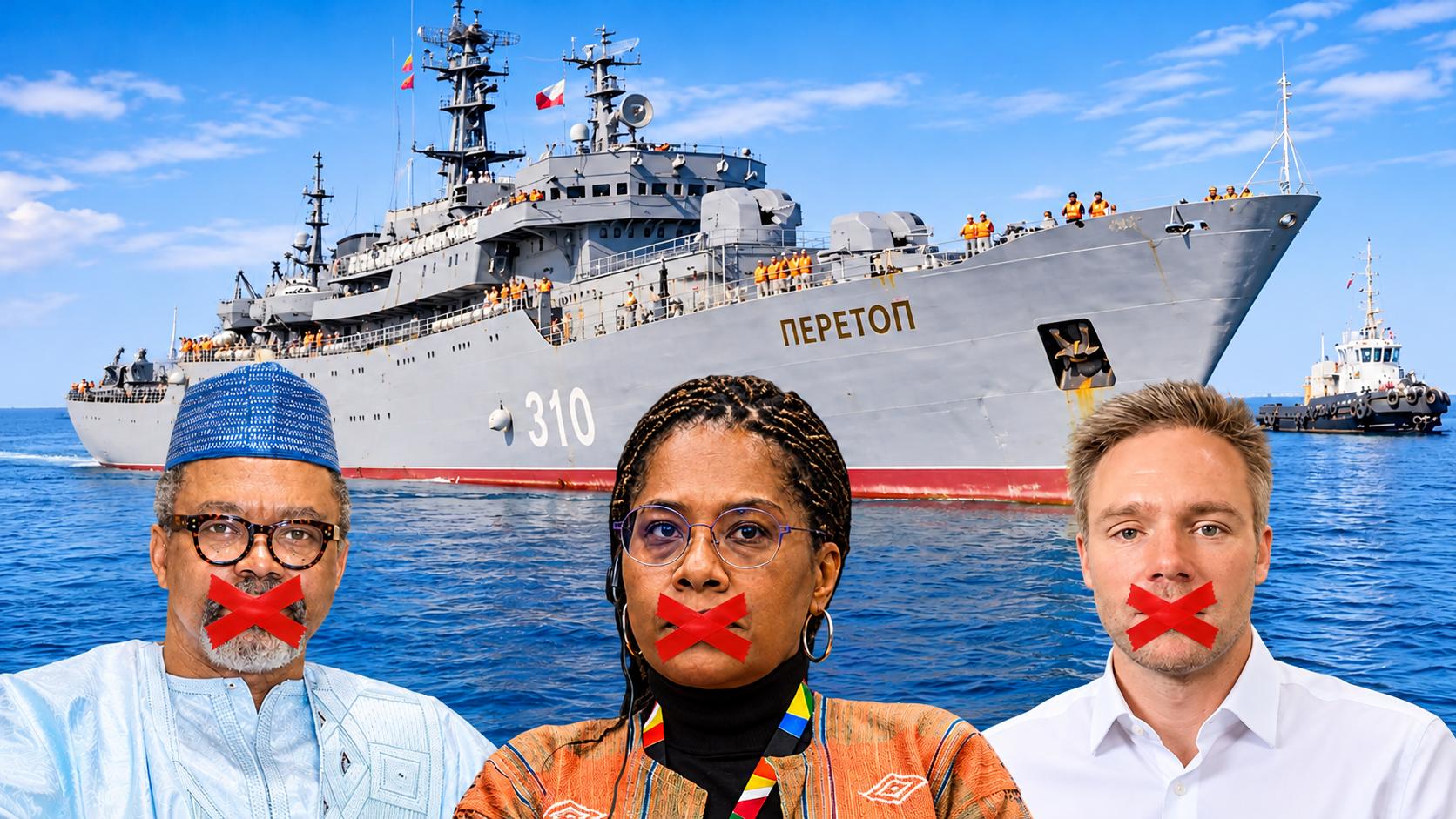
The recent docking of a French warship in Benin sparked intense debate in certain media circles, particularly those aligned with the Alliance of Sahel States (AES). Analyses at the time framed the visit as suspicious, questioning France’s intentions and raising concerns about Benin’s sovereignty. The incident left the West African nation under the microscope, with its diplomatic choices scrutinized without adequate context.
Now, another vessel has arrived in Cotonou but this time, it bears a Russian flag. The contrast in the public and media response is striking. Where are the outraged reactions? The calls for transparency? The accusations of compromised sovereignty? Those who were quick to question the French ship’s presence now appear far less interested in examining the motives behind the Russian vessel’s arrival.
This shift raises a critical question: does Benin’s sovereignty only matter when the ship in question hails from a Western nation? Maritime diplomacy, like any sovereign decision, should be judged by consistent standards not by the geopolitical preferences of commentators.
From French warship to Russian frigate: a study in contrasting reactions
The arrival of the French vessel triggered a wave of commentary, much of it from voices within the AES-aligned media sphere. Critics, including figures like Nathalie Yamb, Antoine 2Moscou, and Franklin Nyamsi, swiftly framed the visit as a potential threat to Benin’s independence, amplifying narratives that painted the country’s cooperation with France in a negative light. The episode underscored how easily diplomatic visits can be weaponized for broader geopolitical narratives.
Yet when the Russian ship docked in Cotonou, the same urgency to interrogate motives was notably absent. No urgent fact-checks. No demands for clarification. No viral posts questioning the legitimacy of the visit. The silence is conspicuous and it speaks volumes about the inconsistencies in how maritime arrivals are perceived.
Sovereignty without double standards
Benin’s status as an independent nation grants it the right to choose its partners, whether in trade, security cooperation, or maritime diplomacy. The country’s sovereignty is not contingent on the nationality of the visiting vessel; it is defined by its own choices and interests. Yet the stark difference in reaction one of alarm for a Western ship, one of quiet acceptance for a Russian counterpart suggests that some observers apply a selective lens to what constitutes a threat to the nation’s autonomy.
This double standard is not just a matter of perception; it risks undermining the credibility of Benin’s media landscape. When scrutiny is applied unevenly, the public loses trust in the objectivity of reporting. A ship’s arrival should be evaluated on its own merits its purpose, its duration, and its compliance with local regulations not on the political alignment of its home country.
Geopolitics over facts: the regional media’s balancing act
The broader issue at play is a regional media discourse that sometimes prioritizes geopolitical allegiances over factual reporting. When a Western ship docks, suspicion is magnified, and questions are framed in ways that imply hidden agendas. When a Russian vessel arrives, the same rigor is not always applied. This imbalance creates a skewed narrative, where the same event a foreign ship in Benen waters is met with entirely different reactions based solely on the flag it flies.
Benin’s government has the prerogative to engage with partners that align with its national interests. Its media, however, has a duty to report impartially. Coverage should not fluctuate depending on whether the visiting ship belongs to a Western or non-Western nation. The principles of sovereignty and transparency must remain constant, irrespective of geopolitical currents.
What the silence reveals about media objectivity
The absence of criticism for the Russian ship’s arrival is not, in itself, a problem. What is problematic is the inconsistency. If media outlets condemn one vessel for reasons unrelated to its actual conduct, while ignoring another for the same behavior, it suggests that their reporting is driven by something other than pure journalism. Objectivity requires uniform standards whether the ship is from Paris, Moscow, or Beijing.
For Benin, the lesson is clear: its sovereignty is indivisible. The same rigorous approach to diplomacy should apply to all partners, and the same commitment to impartial reporting should guide its media. Nationhood should not be a variable in the equation of scrutiny.
The arrival of the Russian vessel in Cotonou represents more than just a maritime event it is a moment that tests the consistency of Benin’s media and the integrity of its public discourse. The real question is not why one ship was met with silence, but whether the next one will be judged by the same standards.
By Boureima Amadou — Journalist


 Mariama Hamani