Boureima Amadou
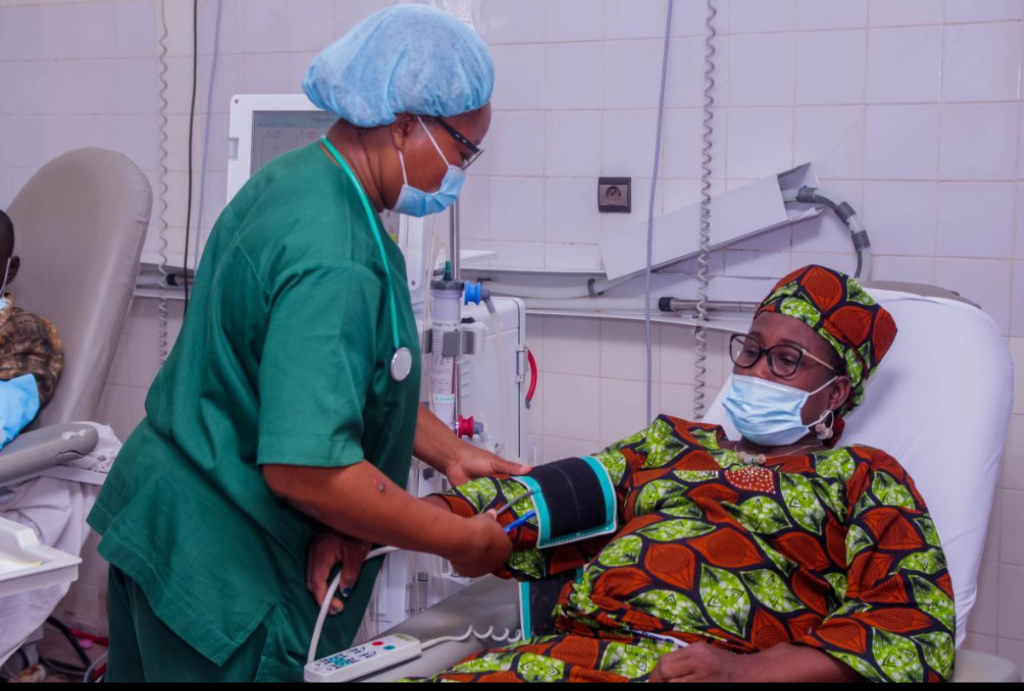
In a decisive move to elevate healthcare standards, Benin has launched a landmark skills validation initiative targeting 15,398 foreign-trained health professionals. The sweeping assessment, revealed during a government session, aims to fortify the nation’s medical workforce by rigorously verifying the competencies of practitioners holding unrecognized international qualifications.
Why this massive skills check is happening now
The Beninese government’s decision comes as part of a broader strategy to tighten oversight of health sector qualifications. With 22,972 foreign-trained professionals identified in a recent census, authorities determined that 67 percent—15,398 individuals—require immediate validation to ensure they meet national standards. This sweeping review underscores Benin’s commitment to closing gaps in medical training and practice.
The initiative targets professionals educated in unaccredited foreign institutions, where course rigor and clinical exposure may fall short of domestic benchmarks. By implementing standardized evaluations, the state seeks to eliminate inconsistencies in care quality and bolster public trust in healthcare delivery.
Spotlight on the four critical health professions
Four core medical fields have been prioritized for this evaluation drive:
- General medicine doctors – Responsible for primary diagnoses, treatment plans, and patient management
- Pharmacists – Tasked with dispensing medications and ensuring safe, accurate prescriptions
- Nurses (general and midwifery) – Providers of essential bedside care, maternal health support, and emergency interventions
- Midwives – Central to childbirth safety, neonatal care, and reproductive health services
These roles form the backbone of Benin’s health system, with their expertise directly influencing patient outcomes. The evaluation will scrutinize both theoretical knowledge and hands-on clinical skills to confirm practitioners can deliver safe, effective care.
From competence test to career opportunity
Passing the assessment paves the way for professionals to obtain a Certificate of Professional Equivalence, a key document in pursuing official recognition of their qualifications. While the certificate validates competence, it does not automatically grant license to practice—additional regulatory steps remain necessary.
The program includes structured preparatory guidance, enabling candidates to align their skills with national standards. This dual focus on accountability and support reflects Benin’s balanced approach: enforcing excellence without shutting doors on qualified practitioners.
The ripple effect on patient safety and public trust
Safer care, stronger outcomes
For Benin’s 13 million residents, the stakes couldn’t be higher. Skill gaps among health workers can lead to misdiagnoses, medication errors, or inadequate maternal care—risks this initiative aims to mitigate. By filtering out underqualified practitioners, the government seeks to reduce preventable medical harm and elevate overall care standards.
Rebuilding credibility in the healthcare system
Public confidence in medical services hinges on visible improvements in professional oversight. This nationwide skills audit signals that Benin is serious about protecting patients, not just expanding facilities. A more transparent vetting process could also attract investment by assuring partners of the nation’s commitment to healthcare excellence.
Logistics and fairness: the pillars of success
With over 15,000 professionals in the queue, the government faces a logistical challenge: organizing fair, efficient evaluations. Clear communication about exam locations, evaluation criteria, and success benchmarks will be critical to prevent bottlenecks and disputes.
Transparency in grading and appeal processes will further reinforce trust in the system. Benin’s goal isn’t simply to weed out underperformers but to create a sustainable model where competence—and not just credentials—defines who practices medicine within its borders.
A turning point for Benin’s health workforce
This initiative marks a watershed moment for Benin’s medical sector. By demanding proof of real-world skills, the nation is shifting from diploma-based validation to performance-based excellence. The outcome will shape not only the careers of 15,398 professionals but also the health and well-being of millions of Beninese citizens.
As the evaluation process unfolds, one truth becomes clear: in healthcare, true mastery isn’t granted by a certificate—it’s proven through competence.