Boureima Amadou
From ballot boxes to barricades: how Togo’s frustrations ignited a national uprising
The air in Togo is thick with anticipation as November 20, 2026, approaches. Opposition leader Nathaniel Olympio has escalated his campaign against President Faure Gnassingbé, framing the looming protests not just as a demonstration, but as a defining turning point in the country’s political struggle. With economic hardship and governance failures reaching a breaking point, the “Patriotic Warning Day” is poised to become a watershed moment for Togolese civil society.
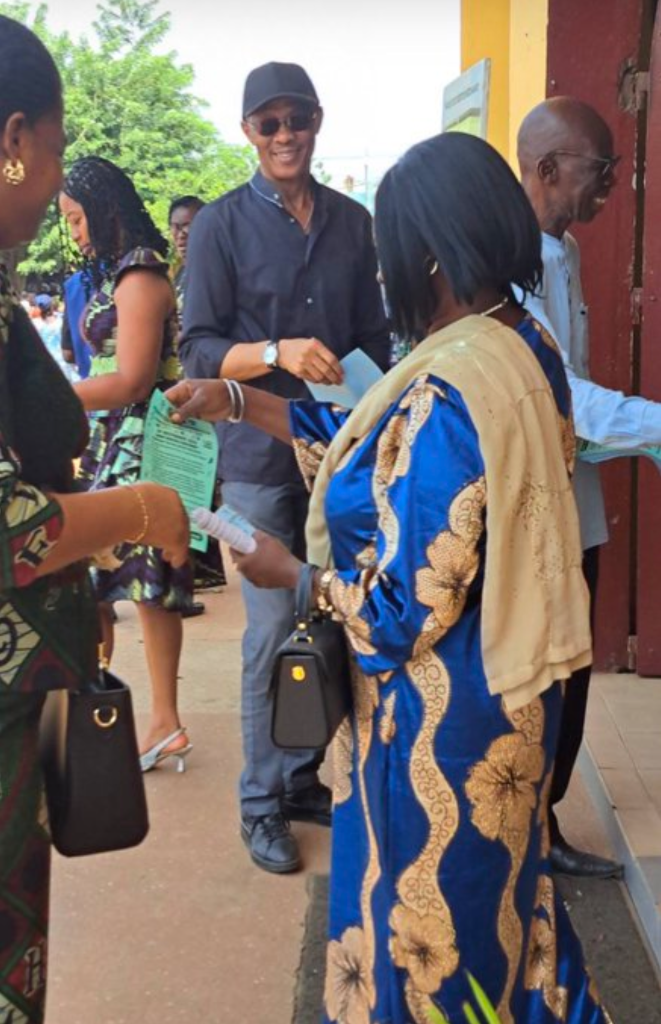
On November 8 alone, activists took to the streets in a coordinated effort, distributing flyers outside churches and community centers across major cities. These weren’t just abstract calls to action—they were tangible signs of an opposition movement gathering unprecedented momentum. The message is clear: enough is enough.
The invisible crisis pushing Togolese to the brink
Behind the political headlines lies a daily reality that has eroded public trust in government competence. The soaring cost of basic goods—from food staples to transportation—has become the silent catalyst of this unrest. Households are stretched thin, small business owners watch their margins vanish, and workers struggle to keep up with a relentless inflation that shows no signs of abating.
Nathaniel Olympio has been vocal about this economic squeeze, arguing that the government’s policies have failed to address the most pressing needs of ordinary citizens. “The people are not asking for miracles,” he states. “They are asking for dignity—a fair chance to live with the dignity their labor deserves.”
How rising costs became a political weapon
- Food inflation: staples like rice, maize, and cooking oil have seen double-digit price hikes over the past two years, disproportionately affecting low-income families.
- Transportation squeeze: fuel prices and public transit costs have surged, making commutes unaffordable for daily workers.
- Currency depreciation: the West African CFA franc’s fluctuations against major currencies have worsened import costs, feeding directly into retail prices.
Critics argue that these economic pressures are not accidental—they reflect systemic mismanagement that has prioritized elite interests over public welfare.
Power outages: when darkness becomes a symbol of state failure
The electricity crisis has become another lightning rod for public anger. Delestages—scheduled power cuts—have plagued Togo for years, but their frequency and duration have intensified, crippling homes, hospitals, and businesses alike. The opposition has seized on this failure, framing it as emblematic of a government unable or unwilling to provide even the most basic public services.
The state-owned Compagnie Énergie Électrique du Togo (CEET) has faced repeated calls for transparency and reform. Activists demand an end to opaque contracts, better maintenance of aging infrastructure, and a reliable power supply that can support Togo’s growing economy.
As one local entrepreneur put it: “We cannot build a future on darkness. Nor can we compete in a region where our neighbors have stable electricity.”
Injustice and constitutional overreach: the deeper fractures in Togolese society
The protest movement extends far beyond economic grievances. Nathaniel Olympio and the Manifeste Génération Togo coalition have connected rising costs and blackouts to deeper institutional failures: political repression, constitutional manipulation, and a democratic deficit that has persisted for decades.
Voices from the ground: what Togolese are really saying
Residents speak of a growing sense of injustice—of promises unkept, of voices silenced, and of a system that rewards loyalty over merit. The call for the release of so-called “political prisoners,” the safe return of exiles, and a return to constitutional order are not just political slogans—they reflect lived experiences of marginalization and exclusion.
The 2024 constitutional reforms, which opposition figures argue were designed to consolidate power, have become a central rallying cry. Critics say the changes removed term limits and concentrated authority in ways that undermine checks and balances—essentially entrenching the current leadership.
November 20: a warning shot before a larger reckoning
The November 20 protest is not an end in itself. It is, in the words of coalition leaders, a clear warning to the government: reform or face escalating unrest. Organizers are urging citizens across the country to halt all non-essential activities, from market trade to office work, in a coordinated show of defiance.
This is not just about one day. It’s about signaling to the regime that the patience of the Togolese people has limits. “This is not a protest,” said one coalition spokesperson. “This is an intervention—a reminder that no government can govern without the consent of its people.”
Looking ahead, the movement has already set its sights on 2027. Plans are underway for national dialogues and a potential transition framework, aiming to restore democratic balance and rebuild public trust.
What happens next?
As the nation braces for November 20, the question on everyone’s mind remains: will this be the spark that changes Togo? Or will it be another moment of frustration left unanswered?
What is certain is that Nathaniel Olympio and his allies have framed this moment not as a protest, but as a turning point—one that could redefine the country’s political trajectory. For a nation tired of empty promises and worsening conditions, the choice is clear: stand together on November 20, or continue down a path of decline.
The government’s response will be watched closely—not just in Lomé, but across West Africa. The world is watching to see whether Togo’s moment of reckoning leads to reform, repression, or something in between.