Boureima Amadou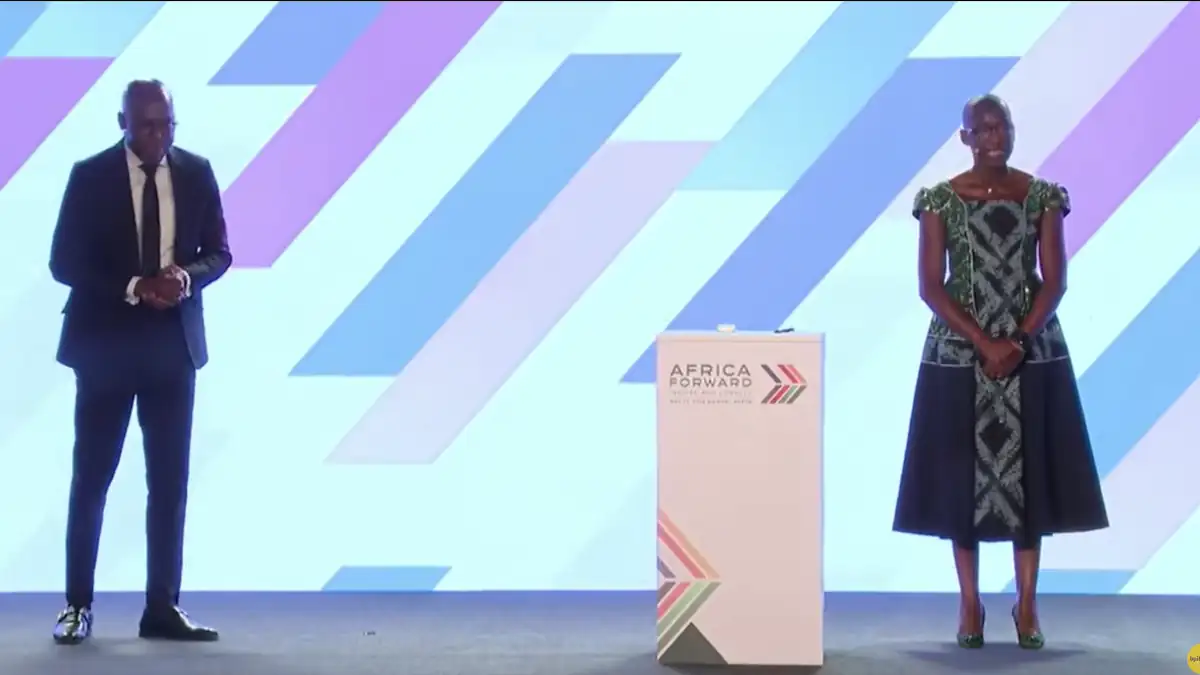
The leadership of SIPI-BENIN S.A, led by Létondji Beheton, and CDC Bénin, headed by Maryse Lokossou, outlined the country’s industrial and financial blueprint at the Africa Forward | Inspire & Connect event in Kenya. Organized with backing from key French institutions, the forum served as a platform to spotlight investment prospects in Benin’s thriving economy.
The delegation highlighted a strategy built on local value addition, industrialization, and long-term capital mobilization. Central to this vision is the Glo-Djigbé Industrial Zone (GDIZ), a flagship project underpinning Benin’s economic transformation agenda.
GDIZ: a catalyst for industrial progress
Létondji Beheton, who previously worked with global financial institutions, joined Benin’s public sector in 2016 to help improve the business climate and drive industrial projects. During the panel, he underscored the rapid development of the GDIZ—a special economic zone spanning 1,640 hectares. With over twenty operational factories and an estimated 25,000 jobs created to date, the zone exemplifies Benin’s industrial momentum.
The country is tackling key challenges such as energy costs, access to affordable financing, and logistics infrastructure gaps. To overcome these hurdles, Benin is prioritizing investments in industrial, energy, and transport infrastructure to bolster local processing of agricultural commodities. Cotton and cashew nuts, two of Benin’s top exports, are at the heart of this push, with the nation ranking among Africa’s leading raw cotton producers.
CDC Bénin mobilizes long-term capital for economic growth
Maryse Lokossou, Director-General of CDC Bénin—a sovereign fund established by the Beninese government in 2018—emphasized the institution’s role in channeling long-term capital into strategic projects. As former head of the West African Development Bank (BOAD), she explained how CDC Bénin’s investments are accelerating the local processing of cotton and cashews, reducing reliance on raw material exports.
Current data reveals that approximately 13% of Benin’s raw cotton output is now processed domestically, while nearly half of its exported cashews undergo local transformation. These initiatives are expected to create more job opportunities for young professionals and strengthen industrial skill development across the country.
An open invitation to global investors
Addressing international investors at the forum, the Beninese representatives extended a strong call to action. Maryse Lokossou assured potential investors of CDC Bénin’s readiness to mitigate risks associated with industrial ventures, while Létondji Beheton urged faster investment flows to meet the nation’s industrial ambitions.
The officials stressed Benin’s structured ecosystem, combining industrial infrastructure, financial support, and government commitment. By participating in the event, Benin aims to enhance its appeal to foreign investors and secure additional funding for industrial transformation, energy, and infrastructure development.