
 Boureima Amadou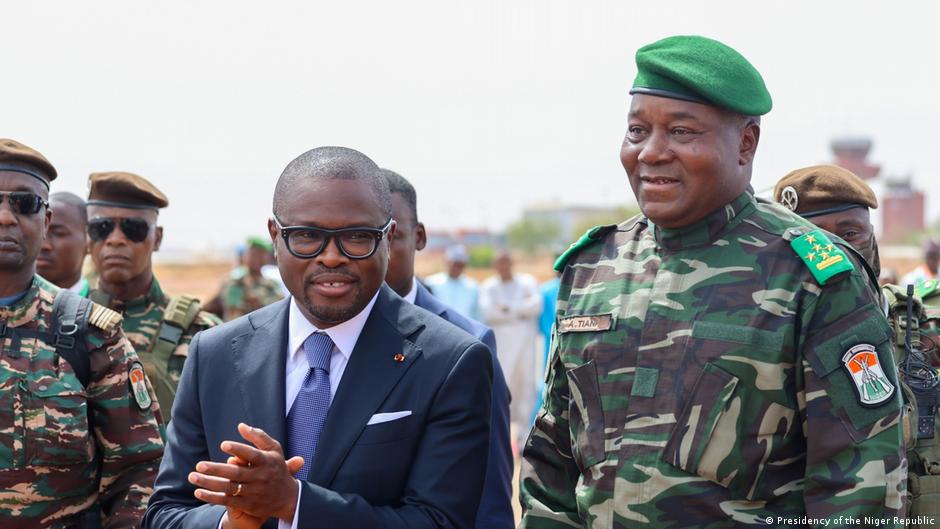
A high-level joint committee of experts has breathed new life into stalled negotiations between Bénin and Niger, rekindling hopes for a thaw in their three-year border blockade. While consensus has been reached on security protocols, trade facilitation, and legal frameworks, Niamey’s leadership has outlined three non-negotiable prerequisites that must be met before the frontier can reopen.
Niger’s tough stance on sovereignty and security
Following intensive deliberations in Cotonou, Niger’s delegation insisted on strict conditions to ensure lasting stability along the shared border, sealed since 2023. The first demands a formal defense pact between both nations, explicitly prohibiting aggression or the use of either territory as a launchpad for destabilizing the other.
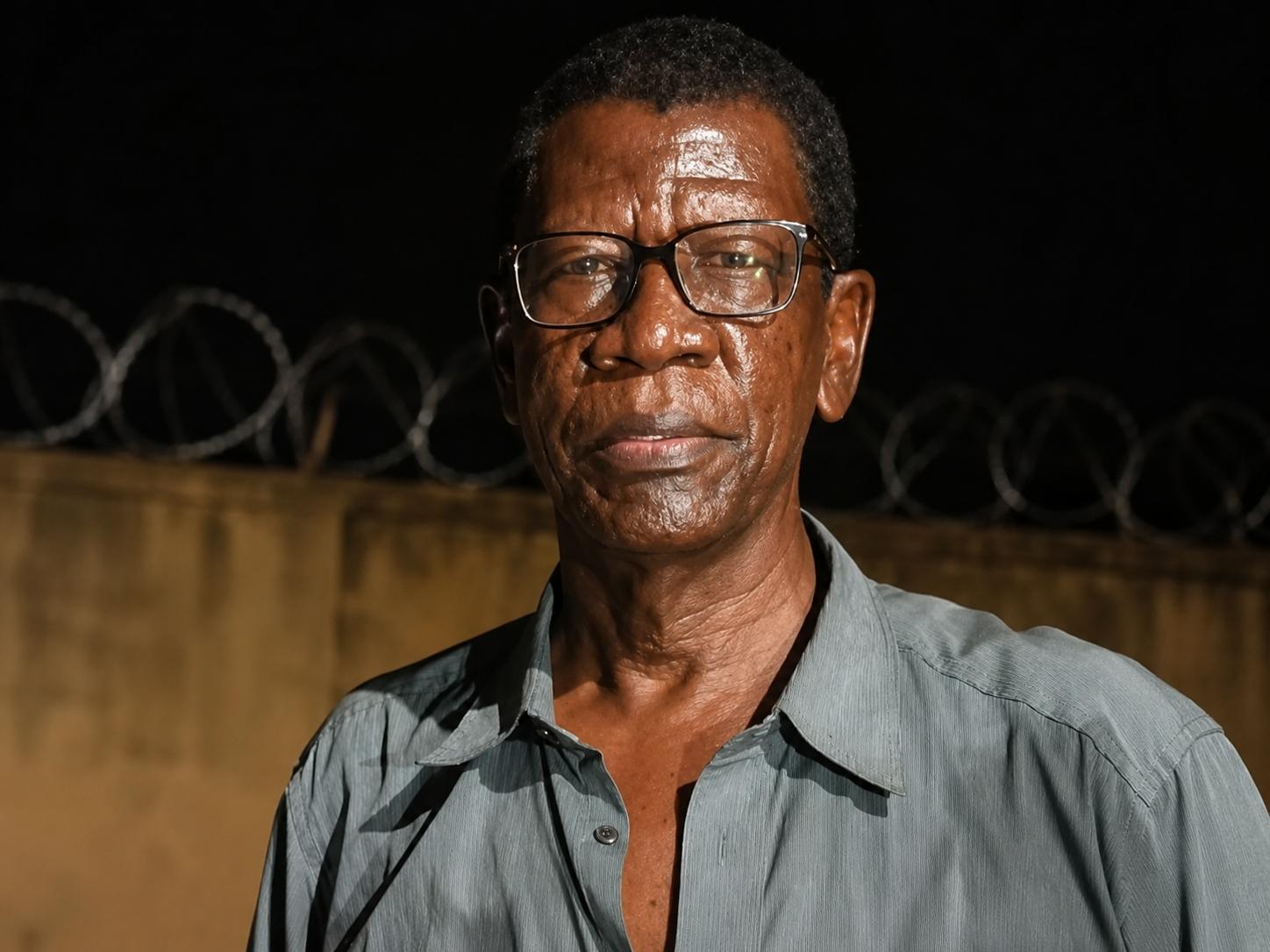
Security analyst Régis Hounkpè, executive director of InterGlobe Conseils, views this clause as fundamental yet timely given the recent geopolitical tensions. “This commitment should be standard, but in the current climate of mistrust, it carries exceptional weight. The real test will lie in its practical implementation—ensuring both nations adhere to the letter and spirit of this accord.”
The second condition centers on intelligence-sharing via a joint task force, enabling real-time collaboration against terrorism and cross-border criminal networks. Hounkpè applauds this measure as a reciprocal safeguard: “Mutual assurances are essential. Neither side should harbor intentions to destabilize the other through covert operations.”
The final demand addresses Niger’s sovereignty concerns, demanding full transparency regarding foreign military deployments near the border—particularly those involving Western partners. “Sovereignty is non-negotiable,” Hounkpè emphasizes. “However, Bénin retains the right to forge defense ties with any nation—France, China, Russia, or others—as long as these partnerships aren’t weaponized against its neighbor. Pragmatically, destabilizing a neighboring economy serves no one’s interests.”
Economic fallout of the closed border
The prolonged closure has crippled trade flows critical to both economies. For landlocked Niger, Bénin serves as its primary maritime gateway, with 70% of imports—from fuel to construction materials—transiting through Cotonou. The detour via Nigeria or Togo has inflated logistics costs by 30–50%, straining budgets already depleted by inflation and regional instability.
The impact is equally severe for Bénin. The port of Cotonou, once a regional hub, now faces severe congestion as redirected cargo clogs its terminals. Revenue losses in customs duties, transport, and logistics sectors have surpassed 60% in some segments, while neighboring ports like Lomé and Lagos have capitalized on Bénin’s misfortune.
Trade disruptions have also hit local communities hard. Markets in Malaville (Bénin) and Gaya (Niger) report up to 50% fewer customers, forcing small businesses to shutter and pushing traders into unemployment. Essential goods like rice and fuel have become scarcer, driving prices upward and exacerbating food insecurity.
Social consequences extend beyond commerce. Families separated by the closed border face costly detours—often perilous river crossings—while vulnerable groups endure heightened risks of exploitation and smuggling rings.
A shared imperative: reviving the corridor
Analysts warn that prolonged isolation risks deeper economic fractures. The Niger–Bénin pipeline, a 2,000 km artery linking Agadem’s oilfields to the Bénin coastline, lies dormant, depriving Niamey of millions in daily export revenues. For Bénin, the stalled pipeline has turned Cotonou’s port into a logistical graveyard, stifling its role as West Africa’s trade crossroads.
Hounkpè stresses the mutual benefits of reopening: “A revived border would restore Cotonou’s economic pulse, reinvigorate transport networks, and grant Nigerians reliable access to coastal trade. The alternative—protracted blockades—only deepens mutual impoverishment.”
Path forward: cautious optimism
With Bénin’s newly elected president Romuald Wadagni prioritizing dialogue, a phased reopening appears likely. Early June negotiations yielded a joint expert committee’s recommendations, though political ratification hinges on Niamey’s conditions. If resolved, Hounkpè predicts ripple effects across the African Union and ECOWAS, serving as a model for pragmatic regional cooperation over ideological divides.
“Leaders today must transcend geopolitical posturing,” he concludes. “Their shared geography demands collaboration—not just for profit, but for survival. Economic revival, security, and counterterrorism efforts all hinge on this fragile détente.”


 Mariama Hamani




