
 Boureima Amadou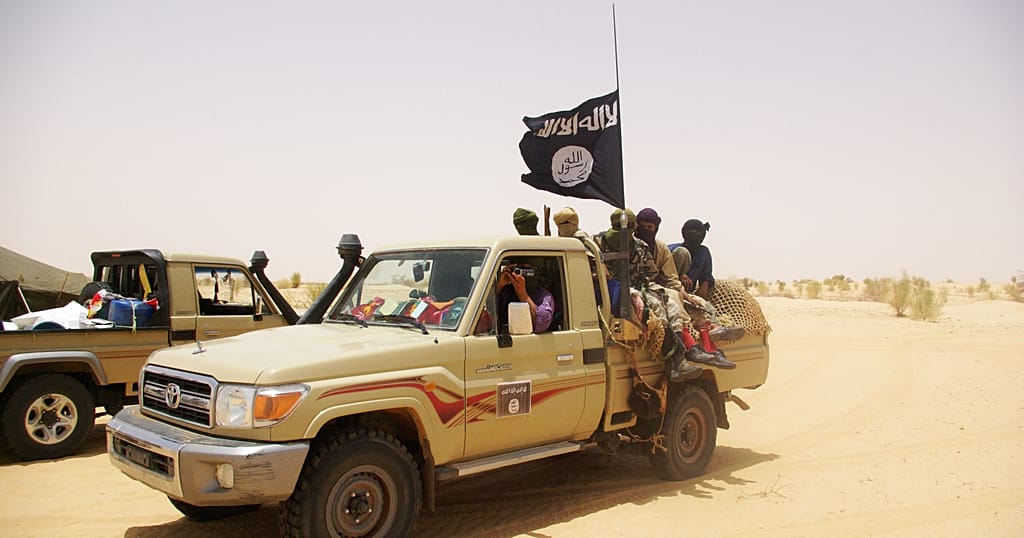
This year’s Tabaski celebrations in Bamako took on a somber tone as families stayed apart, trapped behind a tightening jihadist blockade cutting off the Malian capital. For decades, the annual pilgrimage home for the holiday had been a sacred tradition—until now.
Alpha Amadou, a 40-year-old resident originally from Mopti in central Mali, has spent every Eid al-Adha with his family in their hometown. But this time, he won’t make the journey. “I’ve lived in Bamako for thirty years, and this is the first time I’m celebrating Eid here,” he shared, his voice heavy with resignation.
Since late April, fighters from the regional wing of Al-Qaïda have enforced a de facto siege on Bamako, seizing key roads and torching buses and cargo trucks. Though the blockade remains incomplete, the sight of charred vehicles has been enough to scare off most transport companies and travelers from attempting the trip.
In Mali, Eid al-Adha is more than a religious observance—it’s a cornerstone of social life, a rare moment when families scattered by work across the country reunite. Yet this year, the usual buzz in Bamako’s bus terminals has turned to silence. Fuel shortages only add to the strain, crippling an already fragile transport system.
“We’re not only running out of diesel to keep our buses moving, but we’ve lost several vehicles in recent attacks. It’s devastating for our business,” admitted the owner of a local travel agency, requesting anonymity.
Normally, transport companies would ferry over 50,000 passengers out of Bamako in the week leading up to the holiday. This year, not a single route has been scheduled.
Wara Bagayoko has always loaded his family into their car and driven to Ségou for the celebrations. This Eid, he’ll stay put. “Even private cars are being targeted,” he said. “It’s the first time in thirty years I won’t be celebrating in my village. The road is simply too dangerous.”
Oumar Diarra usually joins a group of twenty on motorbikes heading to Sikasso in southern Mali for the festivities. “This year, we’re staying in Bamako,” he said. The only vehicles still slipping through are those using secondary routes or traveling under military escort.
Livestock trade collapses under blockade
The transport crisis has crippled the livestock trade, essential for the traditional Eid sacrifice. Herders and traders are struggling to move animals to Bamako, the country’s main consumer market. The cost of transporting a single animal has skyrocketed from 2,500–2,750 CFA francs (about $4–5) to between 15,000 and 18,000 CFA francs ($26–31), according to transporter Alassane Maiga.
Sheep, once plentiful and affordable, are now scarce and priced beyond reach for most Malians, where the minimum wage hovers around 40,000 CFA francs per month. “Many trucks carrying sheep have been burned by jihadists,” said livestock trader Hama Ba. “Normally, I’d have over a thousand animals ready for sale. Now, I have none left.”
Iyi, searching for a reasonably priced sheep, lamented the change. “Before, we could choose from hundreds of animals priced at 75,000 francs. Now, the few available sell for 300,000 francs. They’re almost gone from Bamako.”
Daily life disrupted by power and water shortages
The siege’s ripple effects are creeping into everyday life. Bamako is grappling with prolonged power cuts and a growing shortage of clean drinking water, further straining an already tense holiday period.


 Mariama Hamani




