Boureima Amadou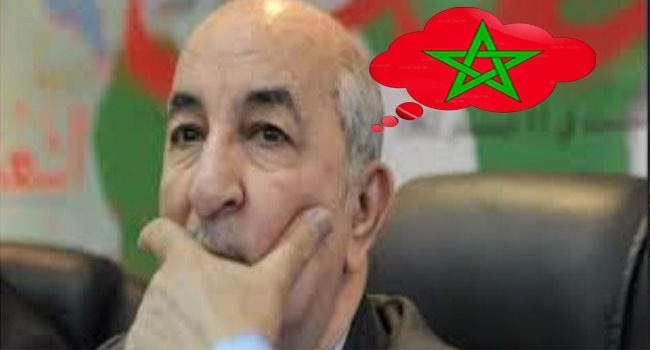
The Algerian political establishment has taken hostility toward Morocco to unprecedented levels, with state-backed media outlets spearheading a campaign that blends propaganda with outright vilification. Under President Abdelmadjid Tebboune’s leadership, this animosity has evolved from mere diplomatic friction into a calculated strategy of public demonisation.
From containment to confrontation
During former leader Abdelaziz Bouteflika’s tenure, tensions with Morocco persisted but were managed behind closed doors. Bouteflika’s approach prioritised discretion, avoiding the inflammatory rhetoric now central to Algeria’s state narrative. In stark contrast, Tebboune’s administration has abandoned restraint entirely, embracing a policy of aggressive posturing that openly stokes nationalistic resentment.
Media as a tool of division
A new state-run channel, AL24 News, exemplifies this shift, dedicating extensive airtime to glorifying Algerian leadership while disseminating vitriolic attacks against Morocco. Presenters and commentators compete to craft the most scathing remarks, celebrating each opportunity to tarnish Morocco’s reputation without regard for factual accuracy or journalistic integrity. The network’s approach extends to sporting events: during the 2022 World Cup, when Morocco’s national team reached the semi-finals to global acclaim, Algerian television chose to erase all mention of the rival nation from its coverage, deeming even the utterance of its name an act of glorification.
A disturbing pattern of distortion
This pattern resurfaced during qualifying for the 2026 World Cup, where Algerian broadcasters continued their refusal to acknowledge Morocco’s achievements. The absurdity peaked when a commentator attributed Lionel Messi’s three goals against Algeria to manipulation by “the Jewish lobby,” claiming it was retaliation for Algeria’s positions on Western Sahara and Palestine. Such statements, amplified across digital platforms, reveal a troubling normalisation of conspiracy theories within state-aligned media.
The political currency of hatred
What began as rhetorical aggression has hardened into a systematic practice, where anti-Morocco sentiment functions as a litmus test for political loyalty. Aspiring officials and influential figures increasingly view public denunciations of Morocco as a fast-track to influence, with loyalty to the regime measured in decibels of hostility rather than competence or vision. The message is clear: in Algeria’s corridors of power, the loudest voices against Morocco secure the greatest rewards.
International implications of state-sponsored incitement
The consequences of this strategy extend beyond domestic politics. By institutionalising anti-Morocco propaganda—including the propagation of antisemitic tropes—Algeria’s leadership risks isolating itself on the global stage. The blending of geopolitical rivalry with racialised conspiracy theories transforms what might otherwise be a regional dispute into a matter of international concern, complicating efforts at reconciliation and dialogue.