Mariama Hamani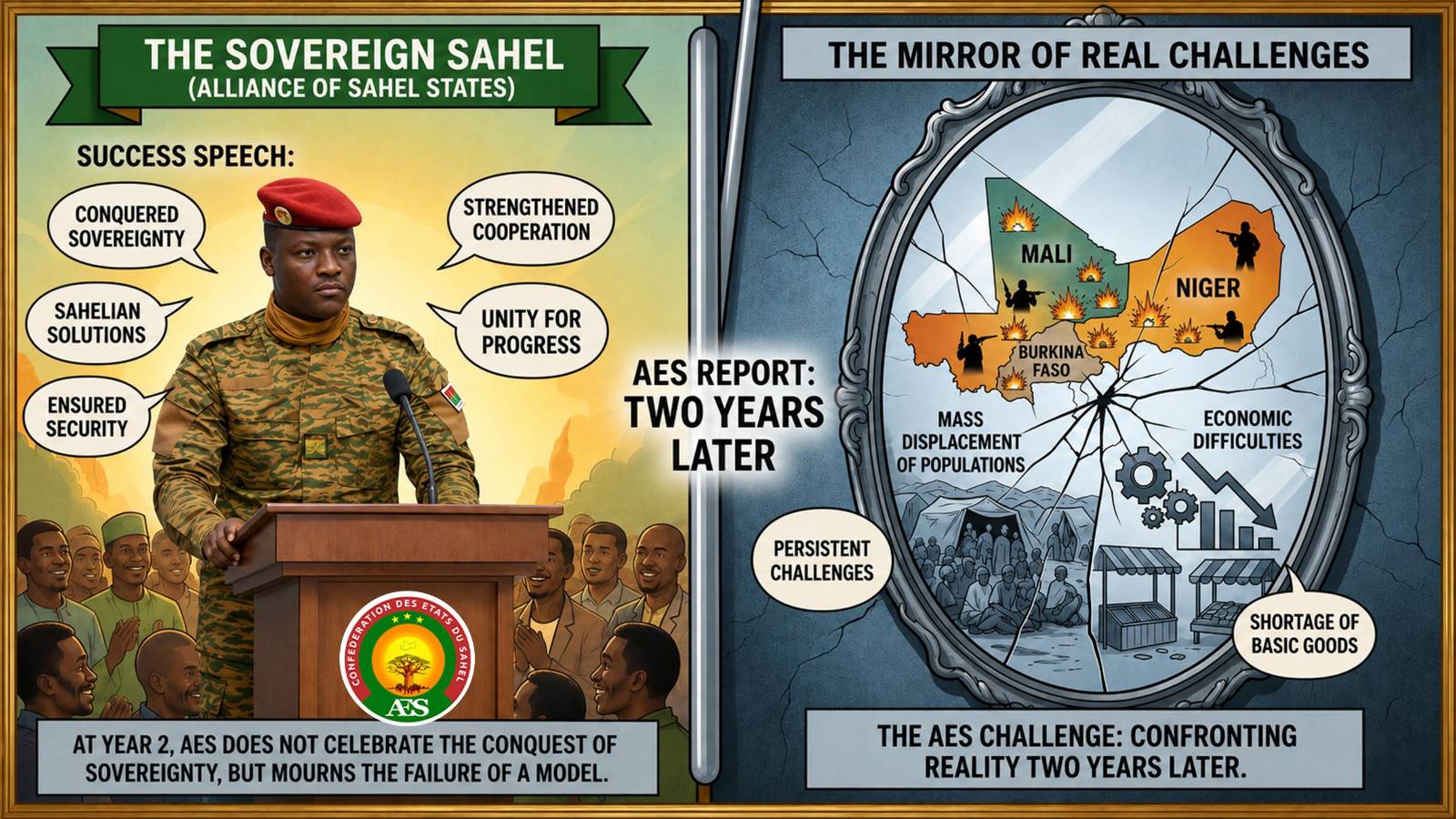
Evaluating the AES Alliance: Progress, Promises, and Persistent Challenges
The Confederation of Sahel States (AES), established two years ago, has been championed by its leadership—particularly Captain Ibrahim Traoré—as a landmark political and strategic achievement. Built on principles of sovereignty, solidarity, and mutual cooperation among Burkina Faso, Mali, and Niger, the alliance was envisioned as a transformative force in the region. Yet, while its discourse resonates with a segment of the population, skeptics emphasize that tangible outcomes remain scarce.
Diplomatic and Institutional Progress: A Mixed Narrative
According to AES officials, the confederation has achieved significant milestones in diplomacy, military coordination, and institutional development. However, these claims contrast sharply with the enduring challenges that initially spurred the alliance’s formation. Sovereignty, as framed by the AES leadership, is often reduced to a rejection of traditional partnerships or a reorientation of international alliances. Yet true sovereignty encompasses far more: the ability to safeguard citizens, uphold institutional integrity, fortify economic resilience, and empower the youth.
Security and Humanitarian Crises: Unmet Expectations
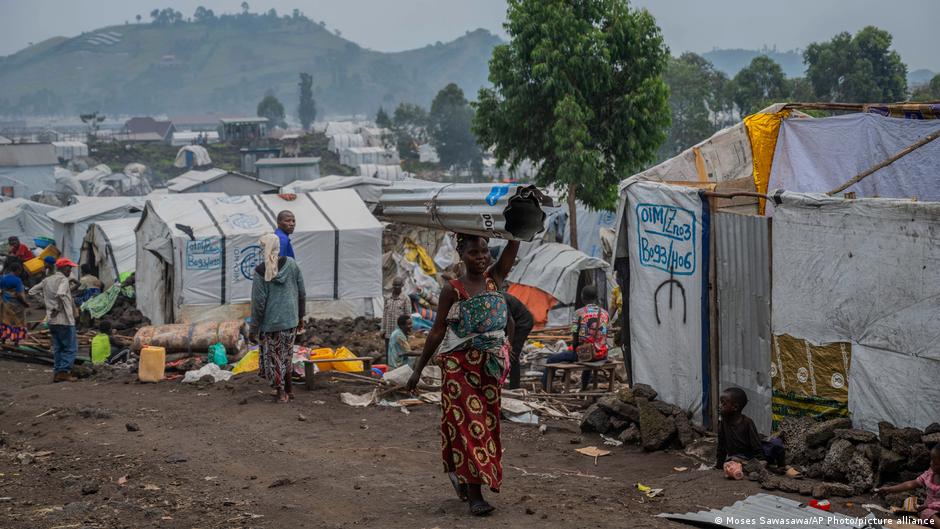
Despite repeated declarations of military success, armed groups continue to operate across vast stretches of the three countries. Civilians remain trapped in cycles of violence, facing displacement, disrupted livelihoods, and acute humanitarian crises. The promise of enhanced security has not translated into tangible protection for communities, leaving many to question the practical benefits of the AES.
Economic Integration: A Work in Progress
The confederation’s economic agenda, aimed at fostering regional integration, has yet to yield visible results. Trade flows remain sluggish, budgetary constraints persist, and declining purchasing power erodes the quality of life for many households. Critics argue that the anticipated economic dividends of the AES are still largely theoretical, with limited impact on the daily realities of citizens.
Governance and Accountability: Overlooked Priorities
The relentless focus on sovereignty has, in some cases, overshadowed critical governance issues, including transparency, accountability, and institutional efficacy. A regional union cannot earn the lasting trust of its people without robust institutions, effective public policies, and responsible resource management. The current discourse risks prioritizing political posturing over the delivery of essential services and security.
The Path Forward: From Rhetoric to Results
While the AES undeniably represents a significant shift in West Africa’s political landscape, its long-term success hinges on more than ceremonial declarations. The alliance’s legacy will be determined by its ability to translate its vision into measurable improvements in security, economic stability, and social welfare for the populations of Burkina Faso, Mali, and Niger. Citizens are no longer satisfied with symbolic gestures; they demand concrete evidence that the AES can address the enduring crises shaping their lives.
In the final analysis, sovereignty cannot be an end in itself. It must serve as a foundation for progress, not a substitute for it. The true test of the AES will be whether its leaders can move beyond rhetoric and deliver the tangible benefits that justify the alliance’s existence.


 Boureima Amadou