
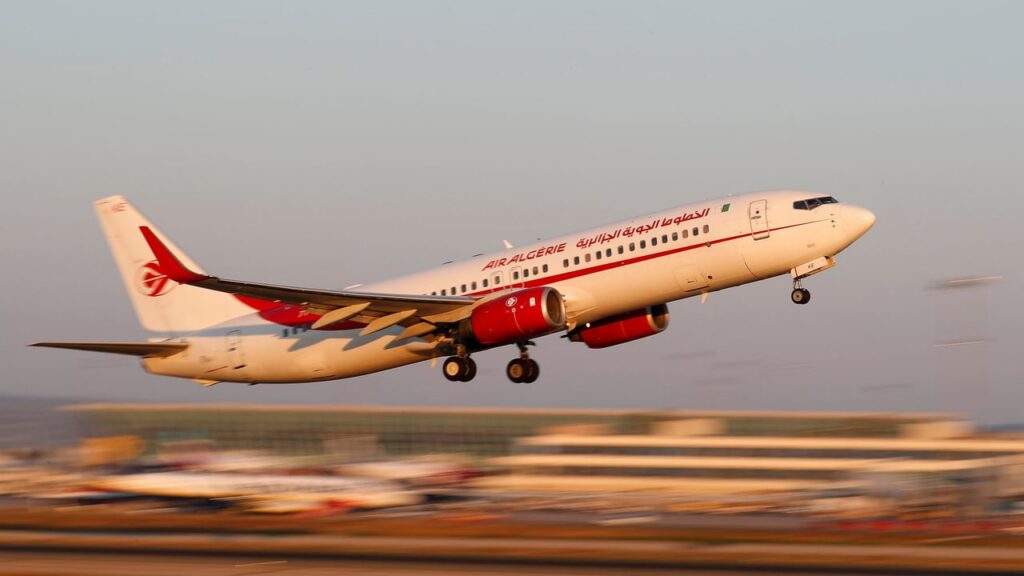

Regional air travel is experiencing a significant shift as long-standing tensions between Bamako and Algiers begin to ease. This diplomatic thaw is creating fresh opportunities for airlines including Air France, Brussels Airlines, and Air Algérie, which stand to benefit from renewed connectivity across the Sahel.
The easing of restrictions between Mali and Algeria follows a period of strained relations that had limited cross-border flights and complicated travel logistics for passengers and freight alike. With the resumption of direct services and expanded routes, airlines are positioning themselves to capitalize on the growing demand for air travel in West Africa’s most dynamic corridors.
Why the Mali-Algeria rapprochement matters for aviation
For years, the strained relationship between Mali and Algeria acted as a bottleneck in the region’s air transport network. Flights were often rerouted or canceled, leaving travelers with limited options and driving up costs. The current détente changes the equation entirely, offering a more fluid and efficient travel experience.
The normalization of relations is expected to:
- Enhance route connectivity: Direct flights between Bamako and Algiers will shorten travel times, making business and leisure trips more convenient.
- Boost cargo operations: Freight carriers will gain easier access to key markets, supporting trade growth across West Africa.
- Stimulate tourism: Increased air links can attract more visitors to both countries, benefiting local economies tied to hospitality and travel services.
- Strengthen airline revenues: With fewer operational disruptions, carriers can optimize schedules and improve load factors, leading to healthier financial performance.
Which airlines are set to gain the most?
Air Algérie, the national carrier of Algeria, is poised to become a major beneficiary of this thaw. As the most established airline in the region, it is well-positioned to dominate new and existing routes connecting Algiers to Bamako and other West African cities. Enhanced cooperation could also pave the way for codeshare agreements with European partners like Air France and Brussels Airlines.
For Air France, the development opens doors to a revitalized West African network. Historically, the French carrier has played a crucial role in connecting Europe to Africa, and the easing of regional tensions could lead to more direct flights, reducing dependence on hubs in neighboring countries.
Brussels Airlines, a key player in African-European connections, may also see improved efficiency and profitability. The airline’s strategy of linking Brussels to African capitals could become even more sustainable with smoother transit options through Bamako and Algiers.
Other regional carriers and charter operators are closely monitoring the situation, ready to launch new services or expand existing ones as soon as regulatory approvals are secured.
Economic ripple effects across the Sahel
The ripple effects of this air travel revival extend beyond the aviation sector. Enhanced connectivity is expected to:
- Accelerate trade: Businesses in Mali and Algeria will find it easier to export goods and import essential supplies, strengthening economic ties.
- Support remittances: Easier travel encourages the movement of people, which in turn boosts financial flows between the two nations.
- Foster cultural exchange: Increased people-to-people contact can deepen cultural and educational exchanges, enriching both societies.
As the skies open wider, the broader Sahel region may also experience a spillover effect, with improved air links facilitating travel to and from neighboring countries such as Burkina Faso, Niger, and Senegal.
Looking ahead: What’s next for Mali-Algeria air travel?
The next phase will depend on how quickly airlines can secure the necessary approvals and launch new services. Regulatory frameworks, bilateral agreements, and infrastructure readiness will all play critical roles in determining the pace of change.
Airlines are already in advanced talks with aviation authorities in both countries to finalize route expansions and frequency increases. If successful, travelers could see tangible improvements within the next 6 to 12 months.
For passengers, the most immediate benefit will be a wider choice of destinations and potentially lower fares as competition intensifies. For airlines, the long-term outlook is one of growth, innovation, and stronger regional integration.




More Stories
Niger: Anatomy of a state narrative to conceal the regime’s fractures
Niger’s leader faces rift with special forces after Russian involvement
Crise au Niger, accord FMI-Sénégal, bataille électorale au Maroc… Les 5 infos qu’il ne fallait pas manquer