Mariama Hamani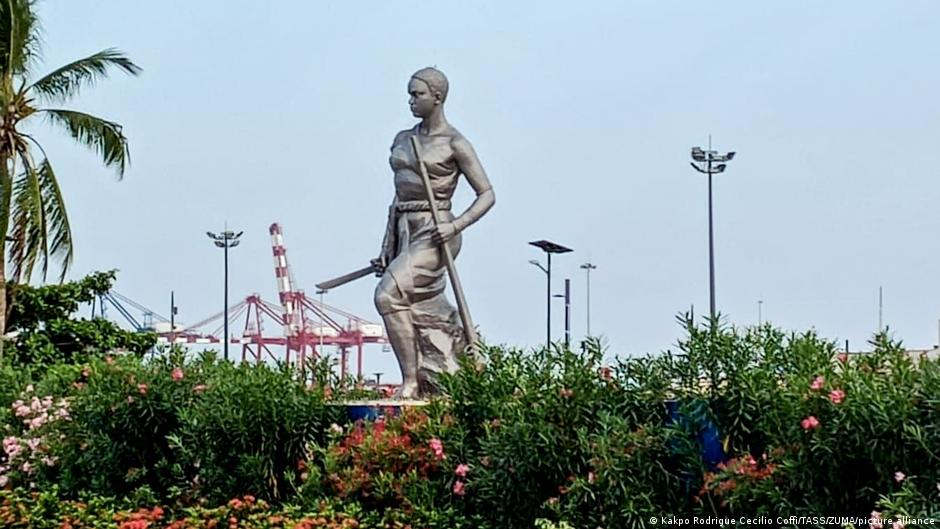
Cotonou, Bénin — The appointment of Captain Elvire Toupé as aide-de-camp to President Romuald Wadagni marks a significant milestone for women in Bénin’s political landscape. This historic decision follows the first cabinet meeting held on May 28, where she was officially designated to the role.
Captain Toupé, formerly an officer with the Republican Guard, becomes the first Bénin woman to hold this position since the country’s independence on August 1, 1960. Her nomination has sparked conversations about gender representation in Bénin’s governance, highlighting both progress and ongoing challenges.
From historical warriors to modern leaders
Analysts and commentators are drawing parallels between Captain Toupé’s appointment and the legacy of the Agodjié, the elite female warriors of the Dahomey Kingdom, often referred to as Amazons by European colonizers. These women were renowned for their bravery and strategic prowess in military campaigns.
“This appointment is more than a symbol—it is a reaffirmation of women’s capacity to lead in critical national roles,” stated Régis Hounkpè, political analyst and director of InterGlobe Conseils. “Young Bénin women now see themselves represented in positions of authority, something the Amazons symbolized centuries ago.”
Journalist Wuldath Moussa Mama echoed this sentiment, questioning whether this appointment signals a broader shift in political inclusivity or remains an isolated gesture. “Is this the exception that proves the rule, or does it open a door for more women to engage in governance?” she asked.
Women in governance: progress and gaps
In President Wadagni’s first cabinet, six women hold key portfolios, including Foreign Affairs, Higher Education, Family Affairs, and Communication. While this represents a step forward, the overall representation remains limited. Comparatively, the previous administration under Patrice Talon had only five women in a 23-member cabinet.
The vice presidency, currently held by Mariam Chabi Talata Zimé Yérima since 2021, serves as another symbol of women’s presence in leadership. However, critics argue that her role is largely ceremonial under the Bénin Constitution, raising questions about the depth of women’s participation in decision-making processes.
The Bénin National Assembly, inaugurated in February 2026, includes 28 female deputies out of 109 total seats, representing 25.7% of the legislature—a figure unchanged from the previous term. The electoral code mandates one reserved seat per constituency for women, resulting in 24 of these deputies being elected through this quota, while four others secured seats independently.
“While the quota system ensures minimum representation, true inclusivity requires deeper structural changes within political parties,” noted Wuldath Moussa Mama. “The challenge lies not just in numbers, but in empowering women to rise through party ranks and take on influential roles.”


 Boureima Amadou