Mariama Hamani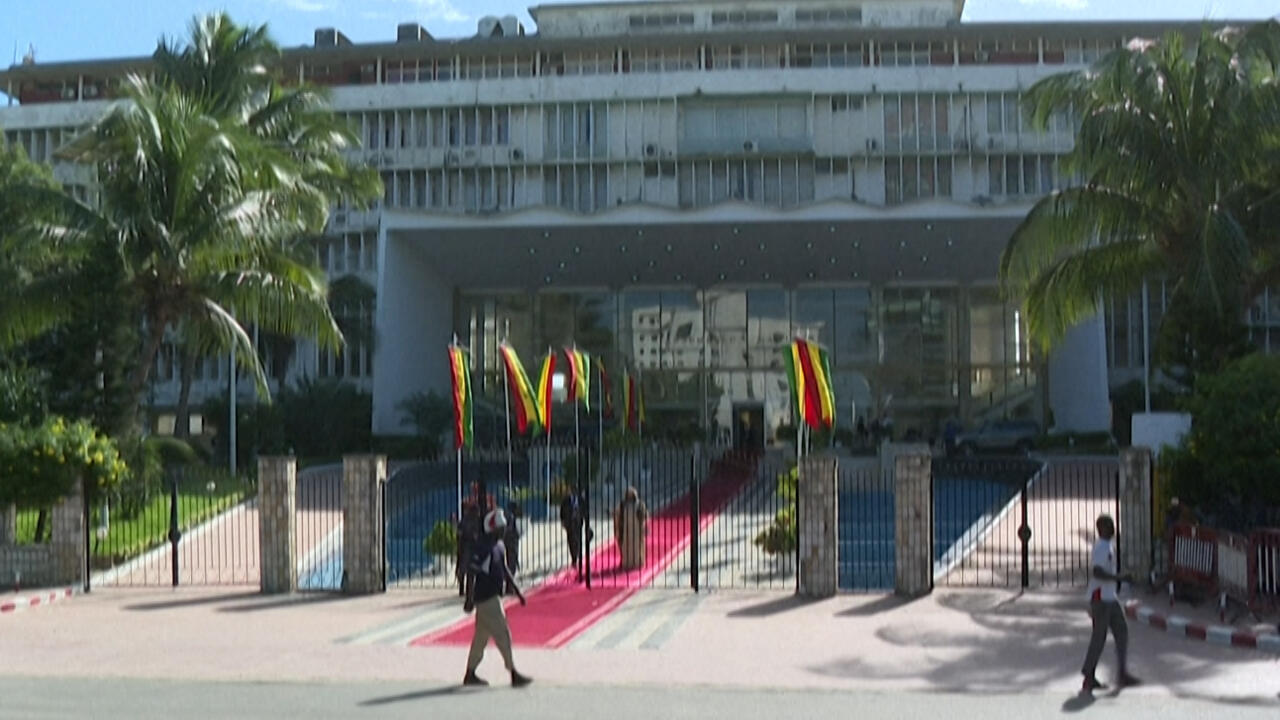
Sénégal : la réforme constitutionnelle, nouveau bras de fer Sonko-Diomaye Faye?
On Monday, a significant constitutional revision project received unanimous approval from the 129 deputies present in Senegal’s National Assembly. This pivotal legislation, spearheaded by the Pastef party, proposes a substantial redistribution of power, aiming to bolster the roles of both the Parliament and the Prime Minister, while simultaneously redefining the President’s prerogatives. However, this reform has immediately ignited a political firestorm. Critics, including the President’s own coalition and several opposition factions, argue that the proposed changes are strategically crafted to benefit Ousmane Sonko, the former Prime Minister who now presides over the National Assembly. This raises critical questions for African current affairs: are these allegations of a tailor-made reform justified? And what is the true intent behind President Bassirou Diomaye Faye’s decision to put this text to a national referendum? Is this merely a democratic consultation or a calculated political maneuver in Senegal?
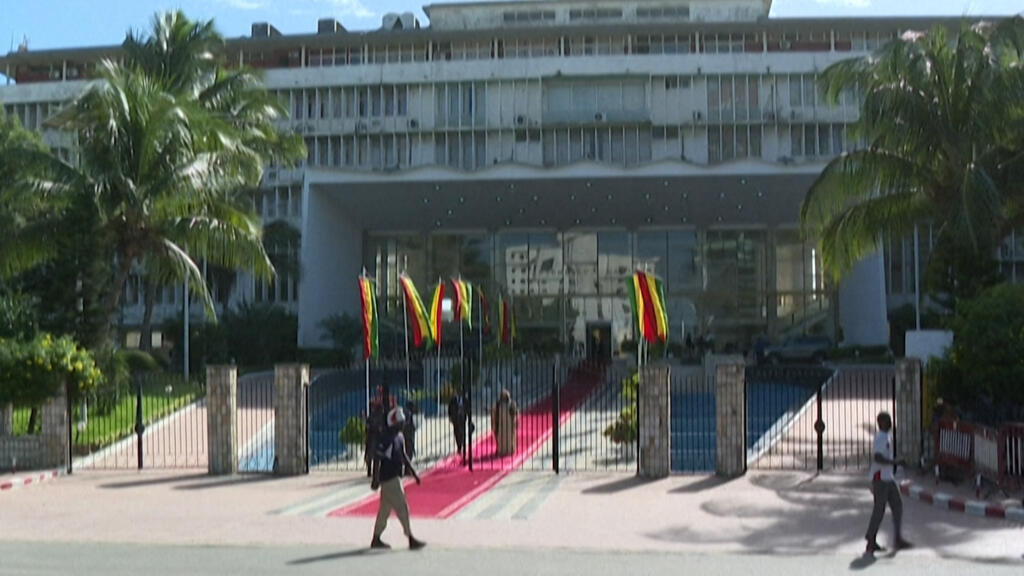
The unanimous vote in the National Assembly might suggest broad consensus, yet the constitutional overhaul has quickly become a central point of contention in Senegal’s political discourse. The core of the Pastef-backed initiative is to recalibrate the balance of power, granting greater authority to the legislative body and the head of government. This move inherently seeks to adjust the responsibilities traditionally held by the President of the Republic.
However, the political landscape is buzzing with skepticism. Many observers and political entities are scrutinizing the timing and specifics of these amendments. The concern articulated by the presidential coalition itself, alongside various opposition parties, is that the reform appears to be specifically designed to empower Ousmane Sonko, given his current influential position as President of the National Assembly following his tenure as Prime Minister. This perception fuels the debate, suggesting a potential shift in African governance that could consolidate power around key figures.
In response to the mounting debate and the significant implications of such a change, President Bassirou Diomaye Faye has announced that the proposed constitutional text will be subjected to a national referendum. This decision, while presented as a democratic consultation, is widely seen as a strategic gambit. Analysts are now deliberating whether this public vote is genuinely intended to gauge popular will on the proposed constitutional modifications, or if it represents a calculated political strategy to legitimize a power shift and solidify the influence of certain political actors within Senegal. This development is certainly a key piece of Africa breaking news, highlighting the dynamic nature of the continent’s political evolution.

Mariama Hamani
Analyst
Boureima Amadou
- Politics
- October 13, 2026
- 7 views
Senegal’s accountability push: Ousmane Sonko sets uncompromising standard for public officials
By Boureima Amadou — Journaliste / Rédacteur
- Politics
- October 9, 2026
- 29 views
Senegal’s presidential power clash: Faye and Sonko’s alliance collapses under ambition and principles
By Boureima Amadou — Journaliste / Rédacteur