Boureima Amadou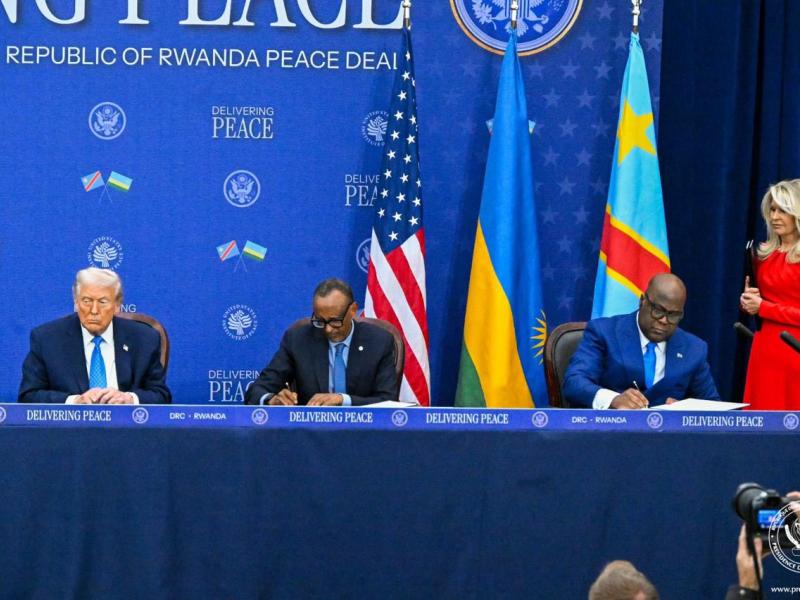
diplomacy in the DRC: promises and hard realities from Washington, Doha and Montreux
- Politics
The Washington, Doha, and Montreux agreements raised hopes for peace in the Democratic Republic of the Congo (DRC). Yet, the latest United Nations Group of Experts report paints a starkly different picture: limited progress at best.
Rwanda Defense Force withdrawals and the M23 Alliance for Change (AFC/M23) have amounted to little more than tactical repositioning—shifts of just 15 to 20 kilometers. Meanwhile, reinforcements, including anti-aircraft systems, continued flowing from Rwanda into eastern DRC until as late as April 2026. No significant withdrawal has been observed since.
The DRC itself shares responsibility for this diplomatic stalemate. The UN report highlights Kinshasa’s failure to honor its pledge to neutralize the Democratic Forces for the Liberation of Rwanda (FDLR), which remain active alongside the Congolese Armed Forces (FARDC).
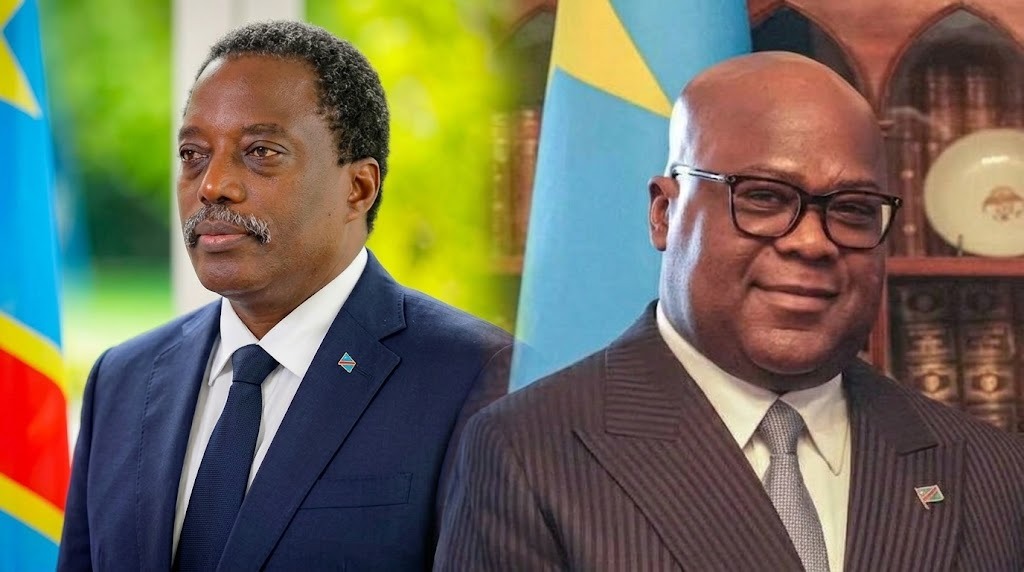
Internal divisions within the AFC/M23 further complicate the situation. While figures like Corneille Nangaa and Joseph Kabila pushed for a power grab in Kinshasa, most military leaders of the M23 opposed any operations beyond North Kivu and South Kivu. This disconnect between political ambition and military reality has weakened the movement’s cohesion.
Diplomatic initiatives in Washington, Doha, and Montreux have thus far yielded more rhetoric than results. The gap between promises and reality underscores the urgent need for a credible, inclusive peace process—one that addresses the root causes of conflict rather than masking them with temporary ceasefires.