Mariama Hamani
young women in N’Djamena trapped by digital beauty standards
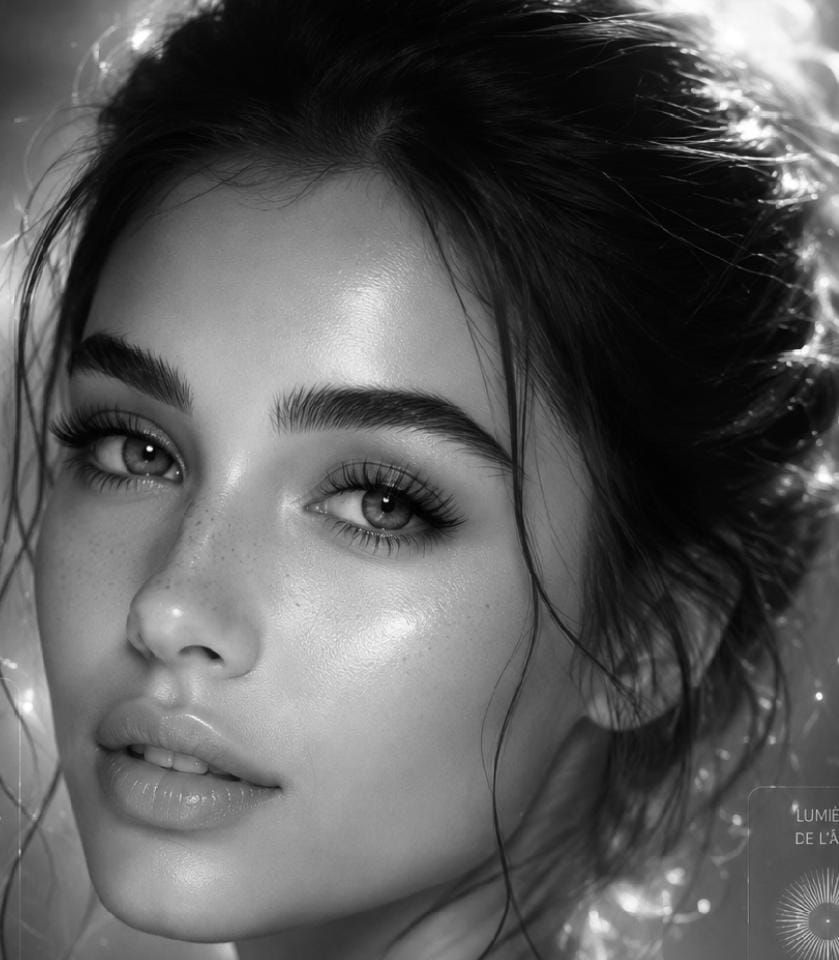
In N’Djamena, social media’s relentless focus on appearance is reshaping the self-image of young women, often with damaging consequences. What begins as harmless scrolling can spiral into a cycle of comparison, self-doubt, and even harmful behaviors as girls strive to meet unrealistic beauty ideals.
When social media dictates beauty standards
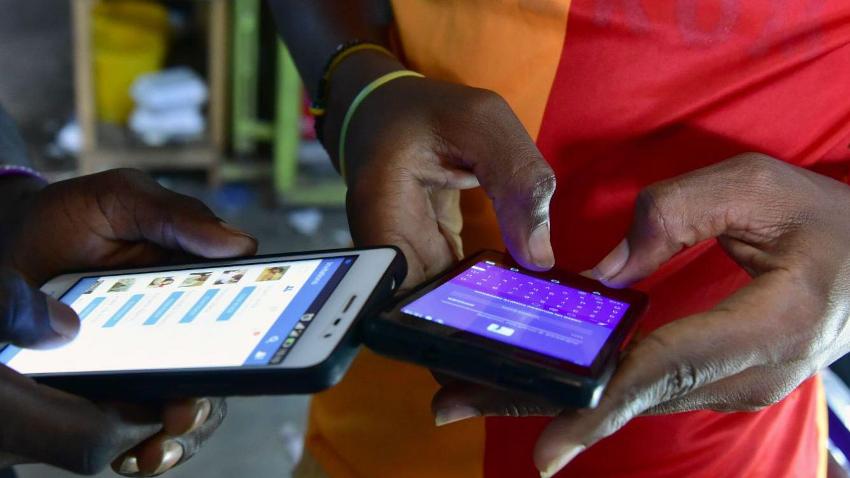
A quick scroll through TikTok or Instagram reveals a world where perfect skin, flawless makeup, and trendy outfits dominate. For many young women in N’Djamena, these platforms have become more than entertainment—they are mirrors reflecting an unattainable ideal. The pressure to conform is no longer just about looking good in person; it’s about curating an online persona that meets digital expectations.
What starts as a desire to fit in can quickly turn into an unhealthy obsession. Some girls spend hours editing photos, chasing the right angle or lighting to match the beauty standards they see online. Others delete posts that don’t receive enough likes, equating their worth with virtual validation. The result? A generation growing up believing their value is tied to how closely they resemble the filtered images they consume.
This isn’t just about vanity—it’s about identity. The more time they spend chasing digital perfection, the less they focus on personal growth, education, or real-world achievements. The constant need for approval reshapes their self-perception, leaving many feeling inadequate no matter how hard they try.
The hidden costs of chasing online beauty
The pursuit of digital beauty comes with real-world consequences. Some young women in N’Djamena turn to skin-lightening products in an attempt to match the fairer complexions often glorified online. Others drain their limited resources on trendy clothing or expensive makeup, all while struggling to keep up with fleeting trends.
The most concerning impact, however, is psychological. The gap between reality and the curated online world fuels anxiety, depression, and a deep sense of inadequacy. Girls who once took pride in their natural appearance now feel pressured to alter themselves—sometimes permanently—to meet the standards set by influencers and social media algorithms.
What’s worse, this pressure isn’t limited to older teens. Even younger girls, barely out of childhood, are now growing up with these expectations. The message is clear: if you don’t look a certain way, you won’t be accepted—or admired.
Breaking free from the digital illusion
The solution isn’t to ban social media but to change the narrative. Young women in N’Djamena need to understand that the beauty they see online is often an illusion—one shaped by filters, lighting, and careful staging. Real beauty isn’t about perfection; it’s about authenticity, confidence, and embracing individuality.
Parents, educators, and community leaders play a crucial role in guiding this shift. Open conversations about self-worth, media literacy, and the dangers of unrealistic standards can help young women reclaim their confidence. Teaching them to value their strengths beyond appearance—whether in academics, talents, or character—can provide a much-needed counterbalance to the toxic beauty culture spreading online.
Social media isn’t inherently harmful, but its influence on self-esteem demands attention. A society that prioritizes inner strength over superficial standards will raise women who are resilient, self-assured, and ready to face the world—not just a screen.

 Boureima Amadou