Boureima Amadou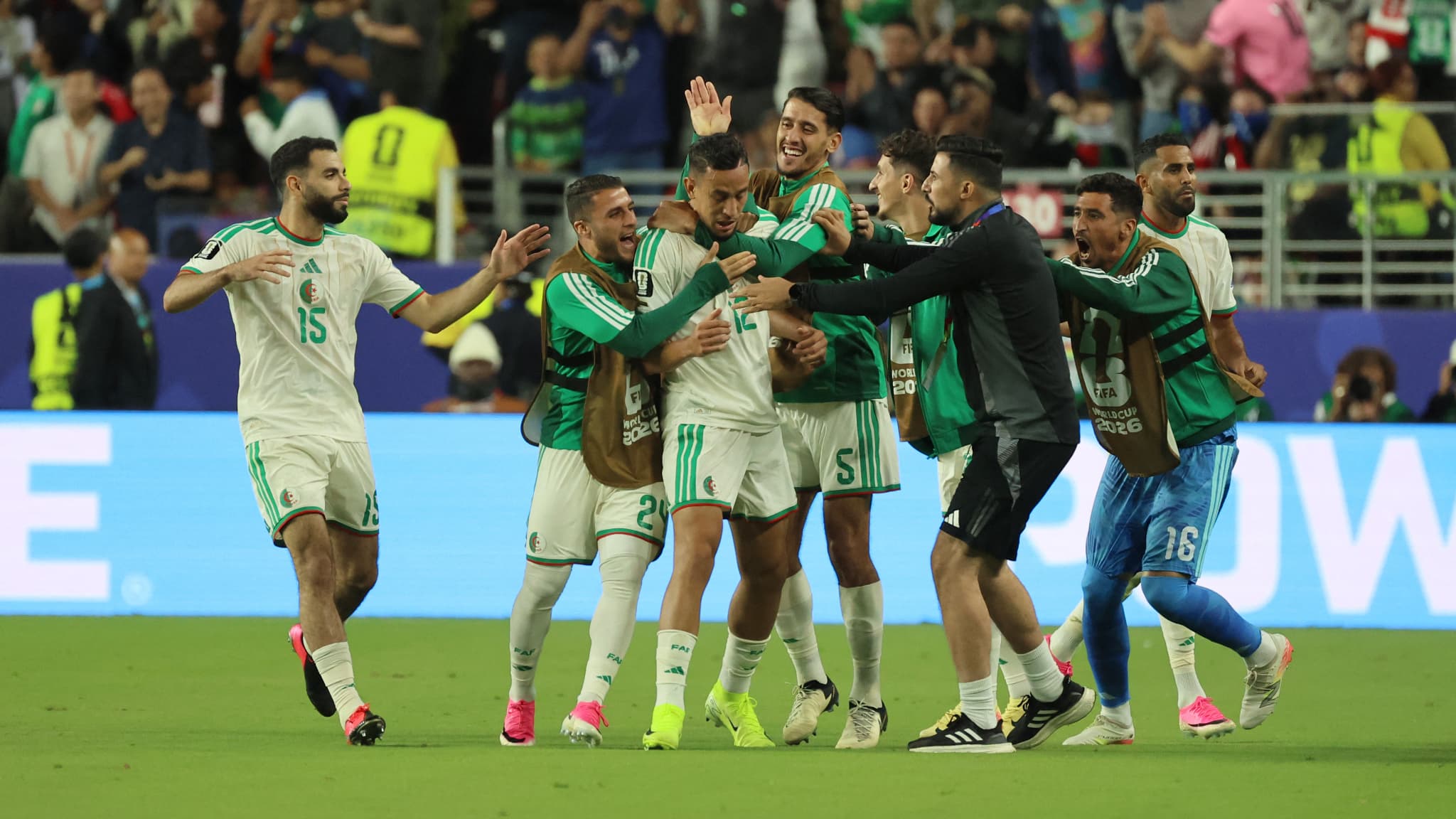
As the 2026 World Cup group stage nears its climax, the Algeria vs Austria showdown has taken center stage—not for its sporting drama, but for the calculated moves unfolding behind the scenes. With both teams now aware of the high stakes tied to their final group encounter, the match risks becoming a tactical farce reminiscent of football’s most infamous moment.
Forty-four years after the infamous “Match of Shame” in Gijón (1982), where Algeria’s thrilling 2-1 victory over Chile was rendered meaningless because West Germany and Austria played out a perfunctory 1-0 game to ensure their own progression, the script seems eerily similar. This time, however, the stakes are higher. With 48 teams competing and eight best third-placed sides qualifying, every point, goal difference, and scenario carries weight.
Why this match could be football’s next embarrassment
Currently, Austria sits second in their group with three points and a goal difference of zero, while Algeria holds third place with a -2 goal difference. Both sides know their fates could hinge on the outcome of this final match—either in their favor or against them. A draw would secure four points for both, guaranteeing qualification. Yet neither side can afford a loss, as it would likely eliminate them from the tournament.
Ralf Rangnick, Austria’s head coach, acknowledged the delicate balance: “We can’t walk onto the pitch saying we’re playing for a draw. We’re in the same situation as Algeria—we’ll see how the game unfolds in the final minutes.” His counterpart, Vladimir Petković of Algeria, struck a defiant tone: “We must give everything on the pitch and focus solely on winning.”
The high-stakes calculations that could ruin the spectacle
Here’s where the absurdity begins. While a draw benefits both teams, it also raises questions about sporting integrity. The second-placed team in the group will face Spain—one of the tournament favorites—while the third-placed side could draw Switzerland, a strong but beatable opponent. Yet recent results have shifted the landscape, making second place the safer bet for both Algeria and Austria. Both now realize they must fight to avoid finishing third, even if it means risking elimination.
There’s one slim chance Austria could qualify with a narrow defeat—if Congo fails to win their match and Croatia loses to Ghana. But such convoluted scenarios only underscore the tournament’s flawed structure, where a single match’s outcome can be dictated by external results before a ball is even kicked.
The Algeria vs Austria clash isn’t just another group finale—it’s a test of whether World Cup football can resist the temptation of calculated mediocrity. Will both teams prioritize progression over performance? Or will the thrill of competition prevail?