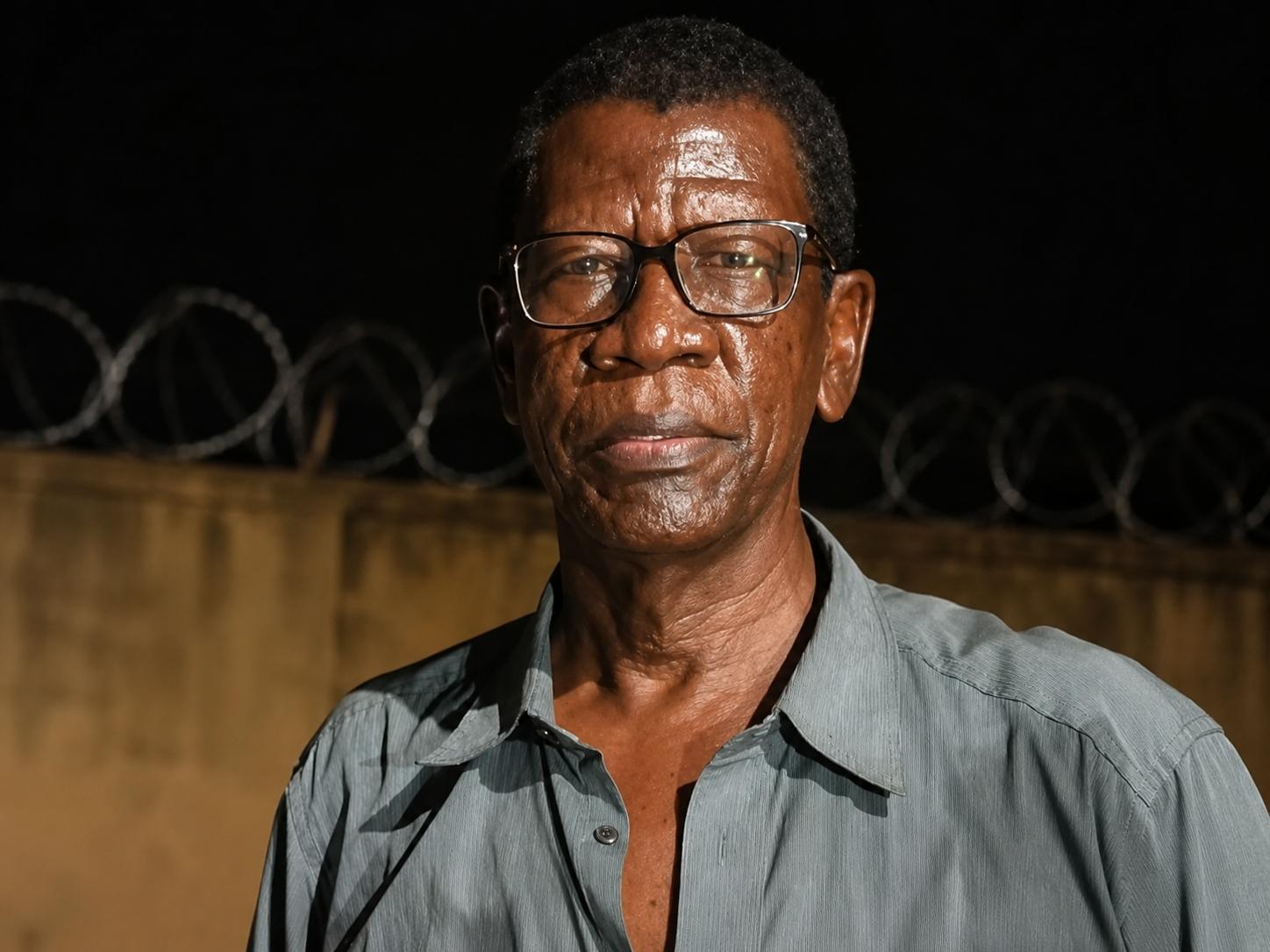
Mariama Hamani
WASHINGTON, June 28, 2024 – The World Bank has approved a $100 million credit from the International Development Association (IDA)* to empower Mali in enhancing the accessibility and utilization of crucial reproductive, maternal, neonatal, child, adolescent, and nutritional health services. This initiative also aims to strengthen preparedness for health emergencies in designated regions.
Leveraging a Results-Based Financing (RBF) methodology, the project titled “Promoting Inclusive Health System Resilience for All in Mali, Keneya Yiriwali” (meaning “health development” in Bambara) seeks to elevate the overall quality of essential health services. This particularly focuses on reproductive, maternal, neonatal, child, and adolescent health, along with nutrition (RMNCAH+N), by broadening coverage areas and improving delivery across various levels of the health pyramid. The funding will cover necessary inputs and performance-linked payments in targeted regions and schools, contingent on available resources, to boost service delivery effectiveness and availability. This expansion includes areas and communities vulnerable to climate impacts, regional hospitals, and school infirmaries, with a special emphasis on adolescent health, climate-related emergencies, and pandemic readiness and response. Furthermore, the project aims to optimize the quality of expenditure within the health sector through enhanced budgetary resource management, the de-fragmentation of health financing, and information systems that connect budgets with performance outcomes.
“The expansion of RBF, integrating both energy and emergency risk management aspects of climate risks, is a driving force for improving the provision of quality care services to the population through the Keneya Yiriwali project. It builds upon the achievements of the Accelerating Progress Towards Universal Health Coverage (PACSU) project, which significantly improved health service utilization, quality scores, medication availability, and patient satisfaction across nine administrative regions,” explained Clara de Sousa, the World Bank’s Operations Director for Mali. “RBF has proven to be a transformative instrument, bolstering the capacities of health facilities and fostering local recruitment, infrastructure development, and equipping laboratories throughout Mali.”
The total financial commitment for this IDA operation stands at $125 million, comprising the $100 million IDA credit and a $25 million grant from the Global Financing Facility (GFF). This GFF grant includes $15 million contributed by the government of the Netherlands through a co-financing arrangement. This collaborative partnership was instrumental in the successful implementation of the RBF approach from 2020 to 2024 via the PACSU project in Mali.
“Building on previous support, the GFF grant and co-financing with the government of the Netherlands will ensure strong alignment in Mali to enhance health services for women, children, and adolescents,” stated Luc Laviolette, Head of the GFF Secretariat. “Investing in a more resilient and inclusive health system can help guarantee that the needs of the hardest-to-reach and most climate-vulnerable communities are met.”
Keneya Yiriwali is set to primarily benefit women, adolescents, and children, encompassing a total population of 15.4 million inhabitants, including 3 million children under the age of 5 and 3.4 million women aged 15 to 49. Its coverage area will extend from the regions initially supported by PACSU—namely Gao, Mopti, Douentza, Bandiagara, San, Segou, Koulikoro, Dioila, and Nara—to new regions with the highest poverty rates, such as Tombouctou, Bougouni, Koutiala, and Sikasso, as well as Commune VI of the Bamako district.
*The International Development Association (IDA) is the World Bank institution dedicated to assisting the world’s poorest countries. Established in 1960, IDA provides grants and low- or zero-interest loans to fund projects and programs designed to stimulate economic growth, reduce poverty, and improve the lives of the most disadvantaged. IDA is among the largest funders for the 76 poorest countries globally, 39 of which are in Africa. IDA’s resources bring positive change to the lives of 1.6 billion people. Since its inception, IDA has supported development activities in 113 countries. Its annual commitments have averaged $21 billion over the past three years, with approximately 61% of this amount directed towards Africa.

 Boureima Amadou