Boureima Amadou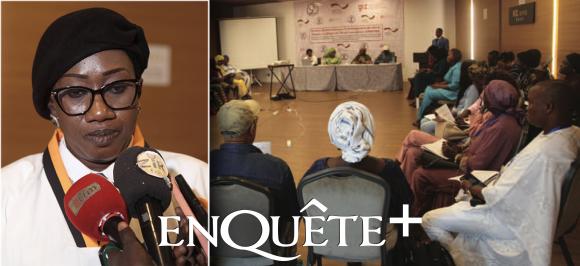
Senegal’s democratic strides contrasted with women’s limited local governance roles
The West African nation of Senegal, long regarded as a democratic model on the continent, continues to grapple with significant gender disparities in local governance. Recent data reveals that only 18 women lead Senegal’s 558 communes, representing just over 3% of municipal leadership. This figure drops further at the departmental level, where only three women preside over the 43 departmental councils. These sobering statistics emerge despite Senegal’s progressive legal framework, including the 2010 gender parity law and constitutional guarantees of gender equality.
Legislative setbacks highlight systemic barriers
Senegal’s commitment to gender equality is further tested by recent electoral outcomes. The November 2024 legislative elections saw a decline in female representation in the National Assembly, dropping from 44.2% to 41%. The situation is even more pronounced in candidate selection, where women accounted for merely 13% of list heads—a critical position in Senegal’s electoral system. These figures underscore deep-rooted structural obstacles that extend beyond electoral processes, permeating cultural norms, financial access, media visibility, and decision-making spaces.
Afrofeminist initiative seeks to bridge the gender gap
A two-day regional seminar, convened by the Réseau des femmes leaders pour le développement (RFLD), has brought together 30 women leaders from diverse backgrounds—parliamentarians, political party heads, local elected officials, activists, and civil society leaders. The initiative, part of the Afrofeminist Initiative for Human Rights Development in Francophone West Africa, aims to strengthen women’s political participation through shared experiences, strategic analysis, and solidarity-building. The goal is clear: to ensure that women are not just passive beneficiaries of democracy but active architects of its future.
Bator Seck, RFLD’s Senegal focal point, emphasizes the urgency of the mission: “These statistics are not mere numbers—they reflect entrenched barriers that prevent women from accessing power. Senegalese women are the backbone of their communities, driving economic growth, social progress, and peace. The question is no longer whether women can govern, but why systems persist in limiting their leadership.”
Confidence and competence: unlocking women’s potential
Addressing the challenges requires more than policy reforms—it demands a transformation in societal attitudes and institutional support. Maman Diouf Fall, representing the Ministry of Family and Social Solidarity, highlights the critical role of self-confidence and capacity-building in empowering women to seize leadership roles. Many women, despite possessing the necessary skills and legitimacy, hesitate to fully engage due to societal pressures, persistent stereotypes, and a lack of structured mentorship.
She outlines three key priorities:
- Leadership training: Programs must equip women with skills in political communication, public speaking, negotiation, and strategic governance to navigate complex political environments.
- Technical expertise: Decision-making roles increasingly require proficiency in policy analysis, project management, digital tools, and community mobilization—competencies that must be systematically developed.
- Inclusive access: Training opportunities must extend beyond urban centers to reach women in rural and vulnerable areas, ensuring no one is left behind.
“Mentorship and intergenerational support are equally vital,” Fall adds. “Young women need role models, guidance, and networks to navigate their leadership journeys. True inclusivity also demands economic autonomy—women must have the financial stability to balance public responsibilities with personal and professional lives.”
Beyond representation: building an enabling environment
The Ministry of Family and Social Solidarity has launched initiatives to foster women’s empowerment, including leadership training, citizenship education, and psychosocial support for vulnerable groups. These efforts align with broader goals: combating child marriages, addressing gender-based violence, and promoting girls’ education. By collaborating with local governments and civil society, the ministry is working to create a protective environment where women and girls can thrive.
Fall concludes with a call to action: “Senegal’s democracy cannot be complete without the full, free, and meaningful participation of women. This requires continuous social transformation, community sensitization, and investment in women’s leadership—ensuring that the future of governance is built with women, not just for them.”