Mariama Hamani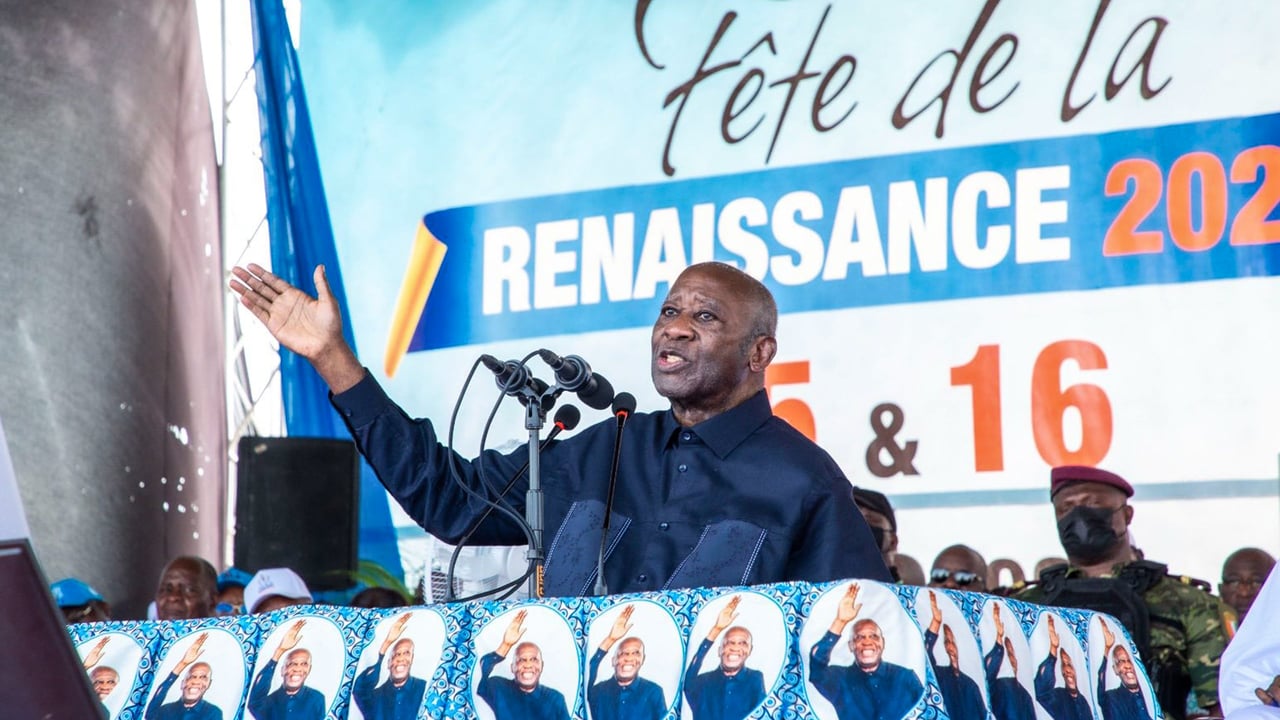
In a move that reshapes Côte d’Ivoire’s political landscape, former President Laurent Gbagbo has announced his formal withdrawal from active leadership within the Parti des Peuples Africains – Côte d’Ivoire (PPA-CI). Yet this withdrawal is far from a departure. Instead, it marks a calculated shift—one that allows him to retain decisive control over the party’s future direction and succession plans.
From the stage to the backstage: Gbagbo’s quiet power play
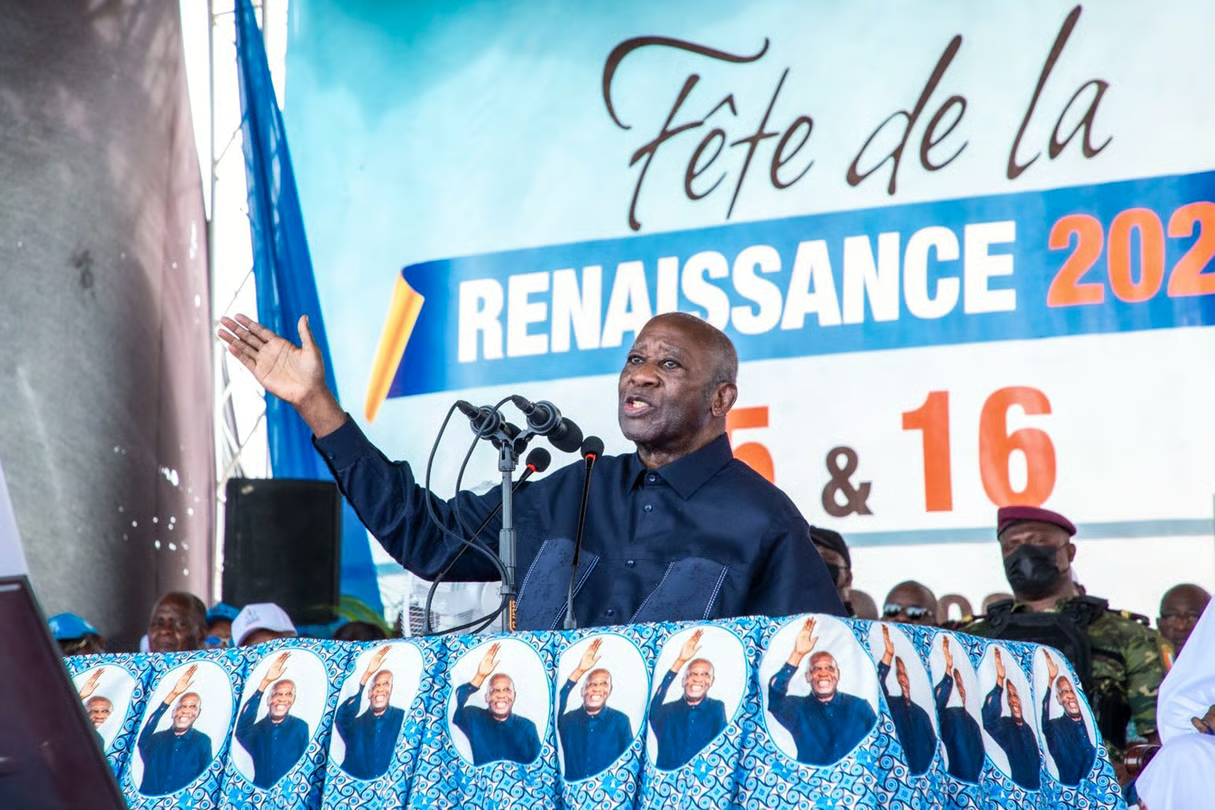
Addressing supporters at the Fête de la Renaissance in Songon on May 16, Gbagbo framed his decision as a gesture of renewal for the PPA-CI. However, observers note that this announcement is less about stepping away and more about reinforcing his enduring influence behind the scenes. By stepping down from the formal leadership role, he creates space for new faces to emerge—while ensuring that his voice remains the guiding force in internal deliberations.
The former President’s strategic positioning sends a clear signal: the PPA-CI’s future will still be shaped by his vision. While younger leaders may take on more visible roles, Gbagbo’s presence ensures that any major policy shifts or leadership choices will reflect his long-standing priorities. This calculated move allows the party to present a modernized image to the public while preserving its ideological core.
A succession plan under Gbagbo’s watchful eye
The announcement coincides with growing speculation about the party’s leadership transition. Though Gbagbo has stepped back from the front lines, he has not relinquished control over the succession process. Insiders report that key allies remain in place to steer the party toward a new generation of leaders—while ensuring that these leaders align with Gbagbo’s strategic objectives. This approach minimizes disruption and maintains stability within the party’s ranks.
The PPA-CI’s internal dynamics now revolve around two parallel tracks: an outward-facing campaign to appeal to younger voters and an inward-focused effort to consolidate power among trusted allies. This dual strategy allows the party to adapt to shifting political winds without compromising its foundational principles.
Reactions from within the party and beyond
While some party members welcome the shift as a necessary evolution, others express concerns about the concentration of power remaining in Gbagbo’s hands. Critics argue that his continued influence could stifle internal democracy and limit the party’s ability to innovate. Supporters, however, view this as a pragmatic move to prevent fragmentation and maintain unity ahead of upcoming elections.
Outside observers highlight the broader implications for Côte d’Ivoire’s political climate. The PPA-CI’s ability to balance modernization with tradition could serve as a model for other parties navigating similar transitions. Meanwhile, political analysts are closely watching to see whether this strategy will strengthen the party’s position or inadvertently sow the seeds of future internal conflict.
The road ahead: renewal or continuity?
As Côte d’Ivoire’s political arena continues to evolve, the PPA-CI’s next steps will be critical. The party’s ability to present a united front—while adapting to new challenges—will determine its relevance in the years to come. For now, Gbagbo’s calculated retreat ensures that his legacy remains intact, even as the party embarks on a new chapter.
One thing is certain: in Côte d’Ivoire’s complex political landscape, appearances can be deceiving. What looks like a withdrawal may very well be a masterclass in strategic reinvention.


 Boureima Amadou