Boureima Amadou
Social unrest grips Senegal as economic pressures mount
The air in Senegal is thick with tension as citizens grapple with escalating social pressures. In urban centers, families struggle to make ends meet, their purchasing power eroded by rising housing costs and bureaucratic inefficiencies. Young people, in particular, voice frustration over limited economic opportunities, warning that the current climate could deepen the divide between leaders and citizens if urgent solutions aren’t implemented.
From Dakar to Thiès, complaints about service delivery gaps and administrative bottlenecks have become commonplace. The situation underscores a broader crisis: how can institutions address these immediate needs while navigating an increasingly polarized environment? Observers warn that without tangible action, the disconnect between governance and public welfare risks spiraling further out of control.
A political landscape caught in the spotlight
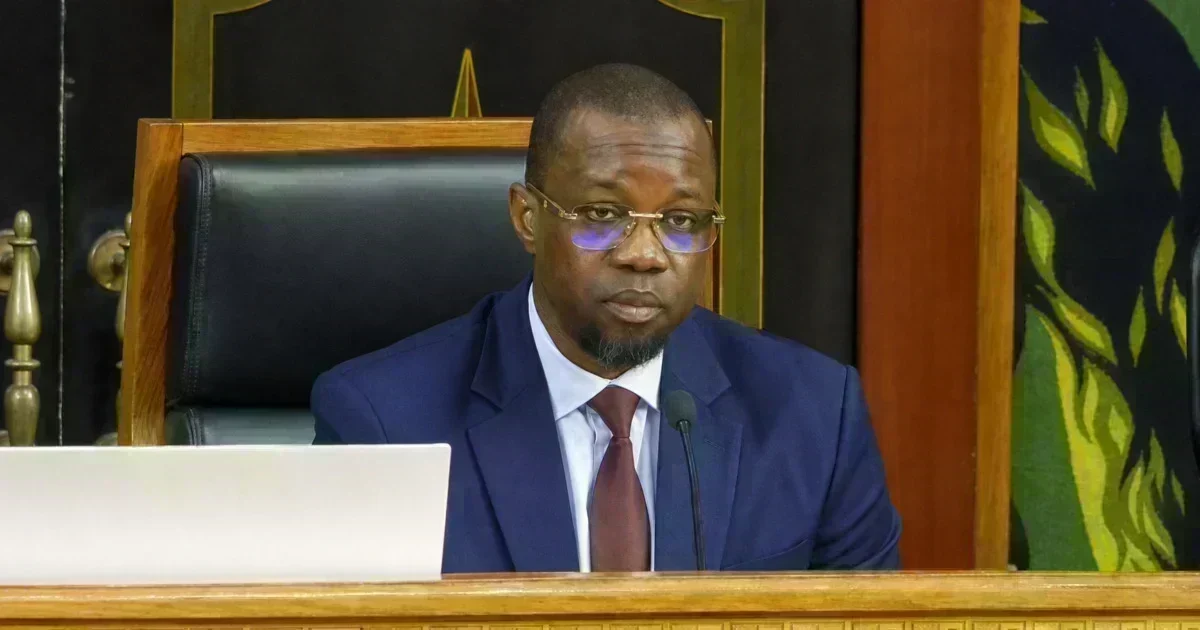
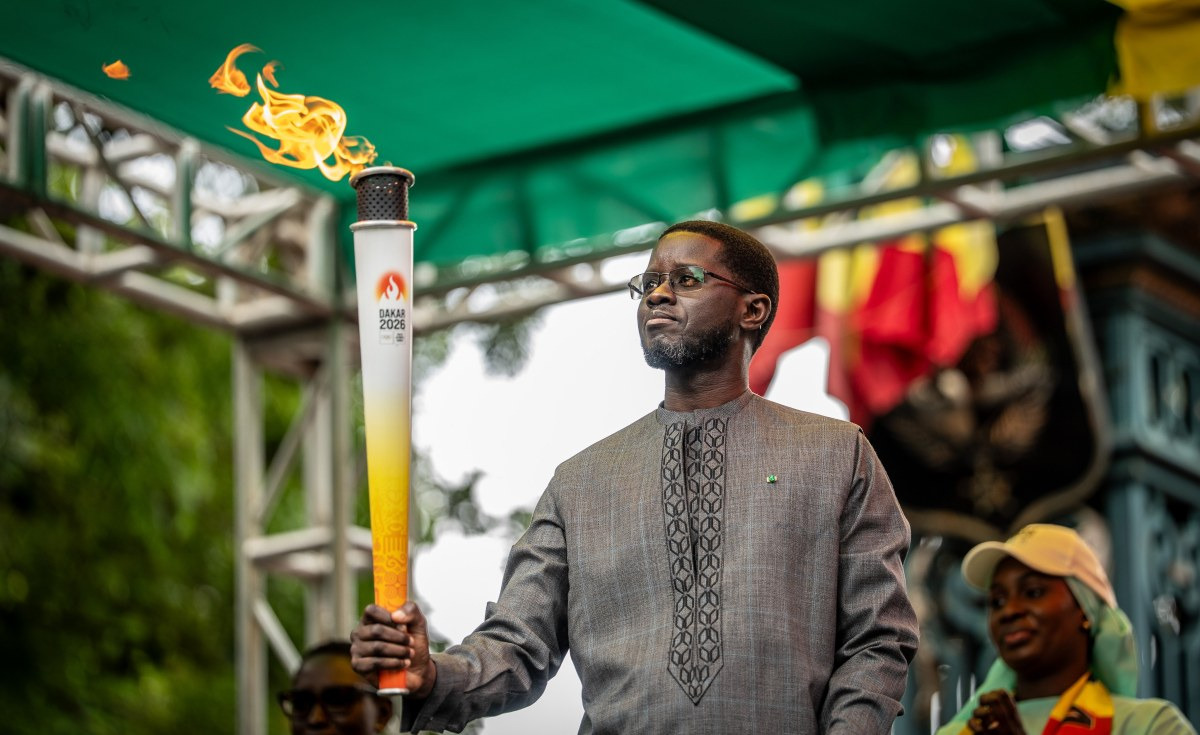
While social issues dominate daily conversations, Senegal’s political arena remains a focal point for national discourse. President Bassirou Diomaye Faye and Prime Minister Ousmane Sonko find themselves at the center of intense scrutiny, their every move dissected by analysts and the public alike. Their leadership is under the microscope, especially as the country braces for key political milestones on the horizon.
Yet critics argue that political maneuvering often overshadows pressing social concerns. Debates frequently revolve around elite alliances and power consolidation rather than the tangible challenges facing ordinary citizens. This imbalance fuels perceptions that electoral strategies may be taking precedence over the urgent needs of the population.
Environmental and urban challenges add to the strain
The country’s environmental and urban sustainability struggles further complicate the picture. Locations like the Hann Park in Dakar have become symbols of broader issues—rapid urbanization, demographic pressure, and the urgent need to preserve natural resources. Citizens and activists alike stress that a renewed national focus on foundational social services, job creation, and livable conditions is long overdue.
As frustration grows, so does the demand for accountability. Many are calling for policies that directly address the root causes of inequality and instability, urging leaders to prioritize long-term stability over short-term political gains.
Can Senegal bridge the gap between politics and public welfare?
The answer may lie in the government’s ability to reconcile competing priorities. Analysts emphasize that sustainable stability hinges on two critical factors: concrete responses to citizens’ daily struggles and a commitment to fostering open, constructive dialogue. Without these, the risk of institutional erosion and social fragmentation looms larger by the day.
The road ahead is fraught with challenges, but the stakes could not be higher. For Senegal, the time to act is now.