Boureima Amadou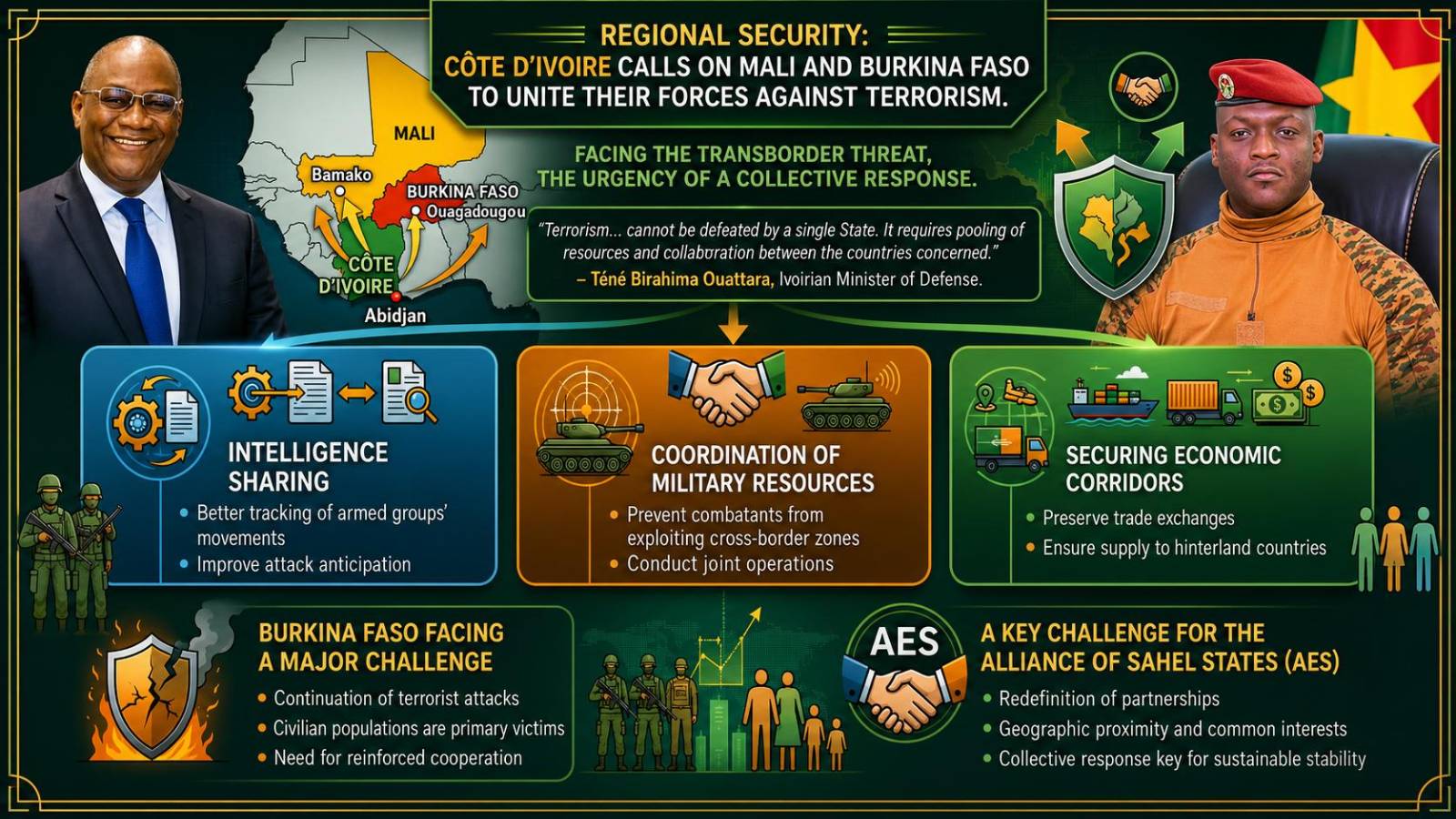
The escalating terrorist threat in the Sahel has prompted a decisive response from Abidjan, as Côte d’Ivoire extends a strategic partnership to Mali and Burkina Faso. In the face of growing insecurity, regional cooperation has become not just advisable but essential for collective survival.
A united front against a shared enemy
With armed groups expanding their reach across the Sahel, Côte d’Ivoire’s government has underscored the urgent need for solidarity. The Defence Minister, Téné Birahima Ouattara, emphasized the necessity of pooling resources and fostering collaboration:
« The evolving nature of terrorism demands a collective response. No single nation can address this challenge alone. Effective counterterrorism requires shared intelligence, coordinated military operations, and economic resilience. »
Burkina Faso grapples with escalating violence
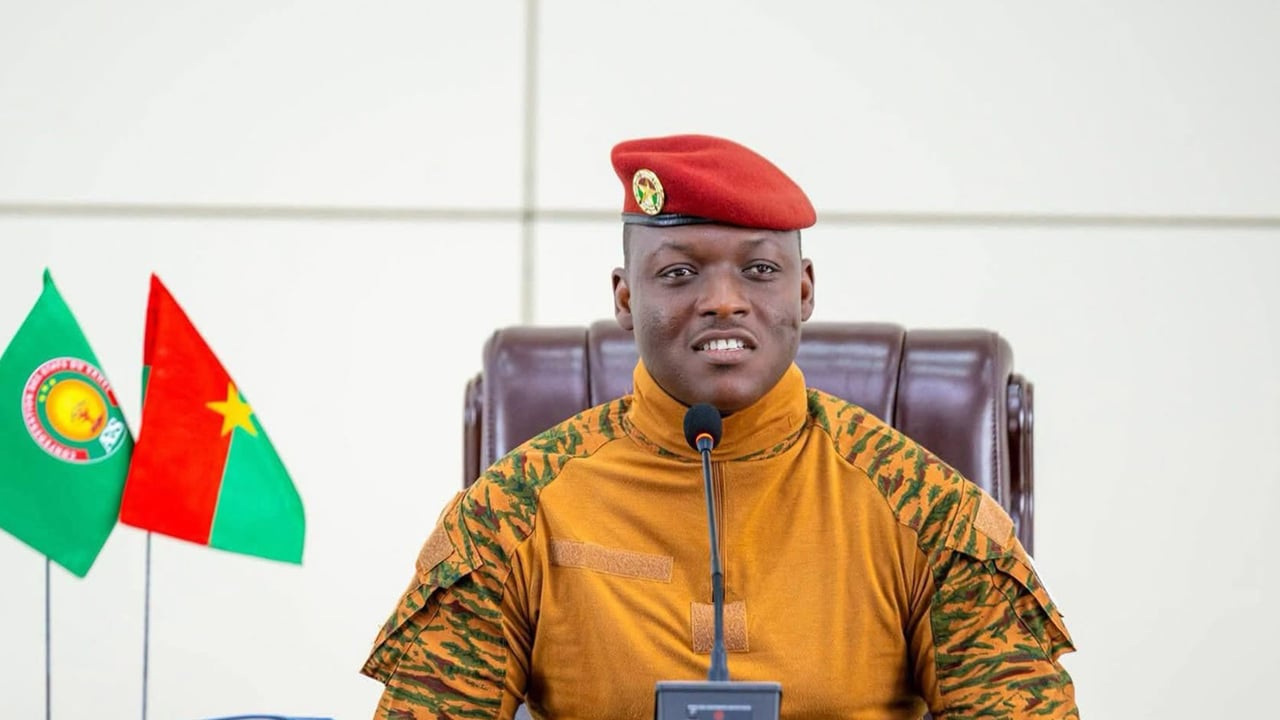
Despite national mobilisation efforts, Burkina Faso continues to face severe security challenges. The relentless attacks on civilian and military targets have exposed vulnerabilities in the country’s defence strategy. For Captain Ibrahim Traoré, leader of Burkina Faso’s transitional government, the time has come to prioritise national security over political considerations. Analysts suggest that the only viable path forward lies in abandoning isolationist tendencies and embracing regional cooperation.
The pillars of Côte d’Ivoire’s proposed framework
The Ivorian initiative outlines a three-pronged approach to counterterrorism:
- Enhanced intelligence sharing: Monitoring jihadist movements across porous borders to pre-empt attacks.
- Joint military operations: Coordinating cross-border efforts to deny terrorists safe havens.
- Securing economic lifelines: Protecting trade routes vital to landlocked nations’ economies.
A pivotal moment for the Sahel Alliance
Côte d’Ivoire’s proposal presents a critical test for the Alliance des États du Sahel (AES). While Mali and Burkina Faso have redefined their international alliances, geography remains an unchanging reality. Côte d’Ivoire, with its strategic location and logistical capabilities, remains a natural and indispensable partner in this fight.
For Captain Ibrahim Traoré, embracing collaboration with Côte d’Ivoire would signal not weakness but a commitment to pragmatic leadership and the protection of Burkinabè citizens. In an asymmetrical conflict, division is fatal; unity is the only path to restoring stability.

 theafricantribune