
 Mariama Hamani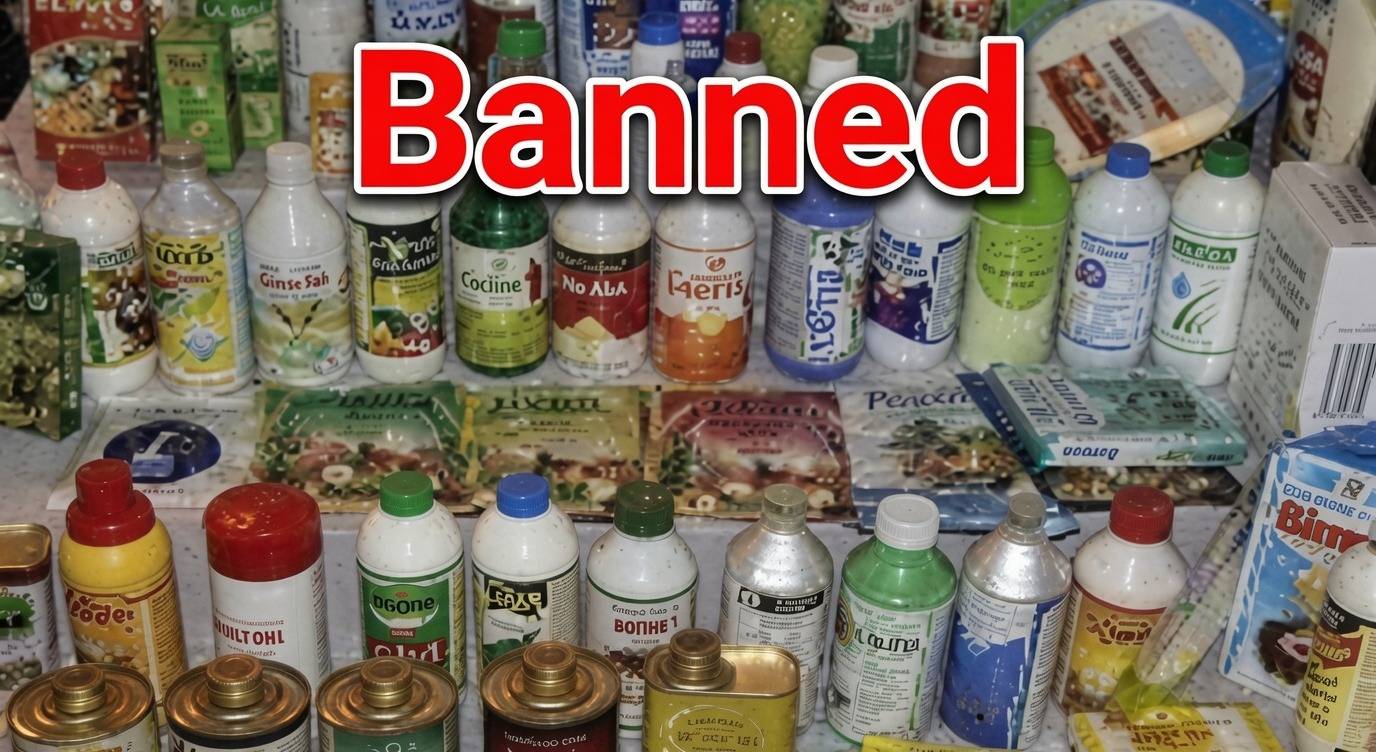
Government launches nationwide crackdown on harmful skin-lightening substances
The Republic of Bénin has initiated a comprehensive campaign to eradicate the widespread use of skin-lightening products. Effective since May 5th, a comprehensive ban has been imposed on the commercialization of various bleaching creams, lotions, and chemical concoctions across the nation. This decisive regulatory action targets a deeply entrenched cultural practice that has raised significant public health concerns.
Eradicating the ‘tchatcho’ phenomenon
The term ‘tchatcho’ refers to the local usage of skin-lightening products, a phenomenon observed across all social strata in Bénin. From the bustling stalls of Dantokpa Market to the virtual shelves of social media platforms, these potentially hazardous substances were previously available without restriction. The newly enforced prohibition aims to dismantle this lucrative yet perilous trade, which is often sustained by unregulated imports and locally manufactured preparations of unverified composition.
The Ministry of Health, in partnership with pharmaceutical oversight bodies, has compiled an exhaustive catalog of prohibited substances. Enhanced monitoring measures have been implemented, targeting both wholesale distributors and small-scale vendors to sever the supply chains fueling this dangerous commerce.
Severe health repercussions drive regulatory intervention
The impetus for this stringent policy stems from mounting evidence of the severe health risks associated with artificial skin lightening. Dermatological experts have repeatedly highlighted the dangers posed by these products, many of which contain hazardous ingredients such as hydroquinone, potent corticosteroids, and mercury.
Chronic exposure to these chemicals can lead to irreversible skin damage, including severe thinning, persistent stretch marks, chronic infections, and impaired wound healing. Beyond cosmetic effects, these substances pose systemic threats, potentially contributing to chronic kidney disease, arterial hypertension, metabolic disorders, and increased susceptibility to skin cancer.
Implementation challenges and cultural considerations
The enforcement of this ban presents considerable logistical hurdles, including porous borders, the prevalence of contraband goods, and vendors’ tactics to circumvent regulations through packaging modifications. While punitive measures are essential, the long-term success of this initiative hinges on addressing the underlying cultural factors that perpetuate the demand for lighter skin tones.
To achieve sustainable change, the government must complement enforcement with robust public awareness campaigns. These efforts should aim to challenge entrenched beauty standards, promote acceptance of natural skin tones, and dismantle harmful societal perceptions linked to skin color.
The Bénin government’s bold stance marks a pivotal advancement in safeguarding public health. The efficacy of this intervention will ultimately depend on the synergy between regulatory rigor and evolving societal attitudes toward beauty and identity.


 theafricantribune
 Boureima Amadou




