Mariama Hamani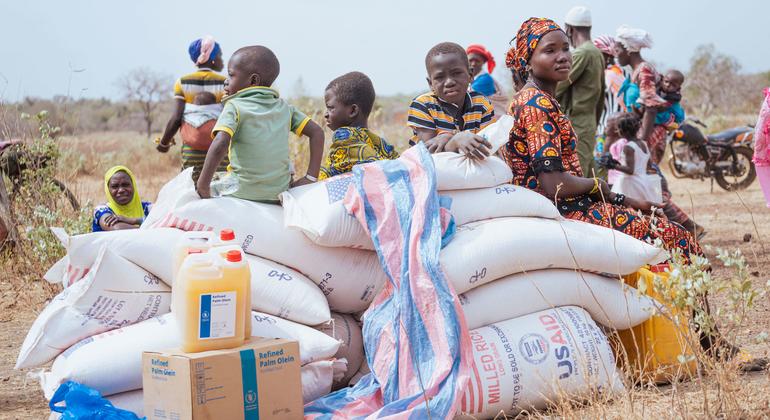
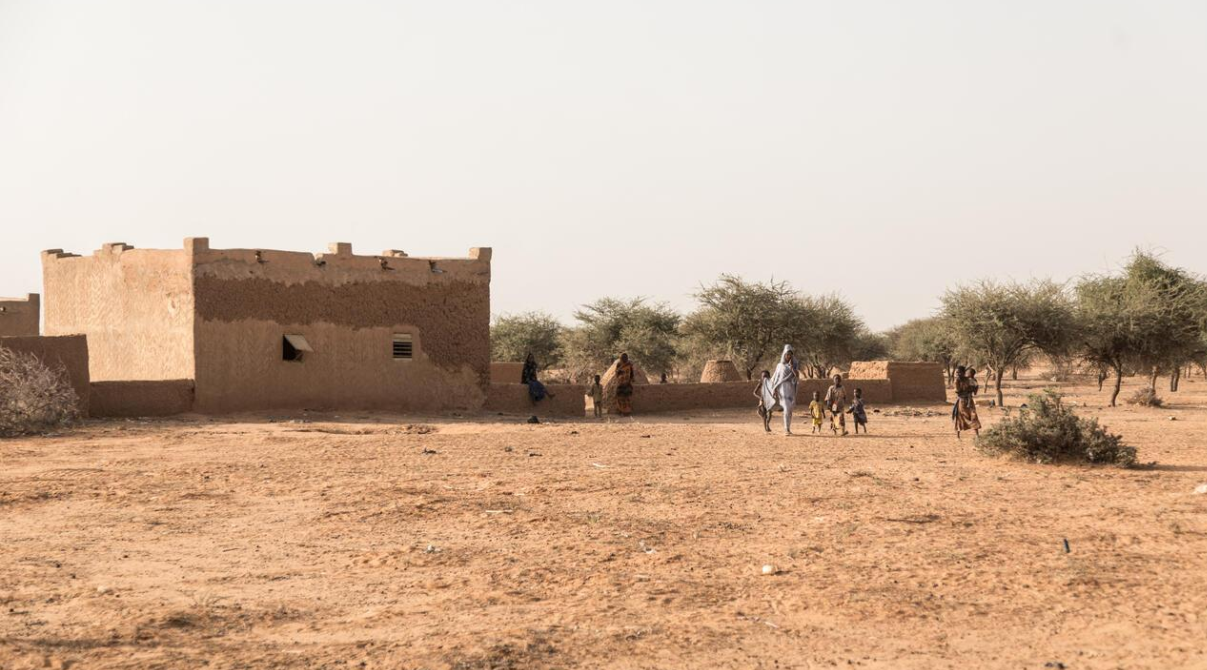
The United Nations High Commissioner for Refugees (UNHCR) has issued a stark warning about the escalating humanitarian emergency in the Sahel, where nearly 4 million people are now displaced across Burkina Faso, Mali, Niger, and neighboring nations. This staggering figure represents a two-thirds increase over the past five years, driven by relentless insecurity, limited access to vital services, and the compounding effects of climate change.
Abdouraouf Gnon-Konde, UNHCR Regional Director for West and Central Africa, emphasized the gravity of the situation during a recent press briefing. He noted that while most displaced individuals remain within their own countries, cross-border movements are becoming increasingly common, placing immense strain on host communities and national systems alike.
straining resources and humanitarian access
The Sahel’s humanitarian landscape is under unprecedented pressure. Since 2022, both funding and operational capacity have dwindled, even as needs have surged. The UNHCR has sounded the alarm: this year, the agency has secured less than one-third of its $409 million funding appeal—a shortfall that has already forced severe cuts to critical services.
Essential programs such as registration, legal documentation, education, healthcare, and shelter have been severely disrupted. Gnon-Konde highlighted a particularly alarming consequence: over 212,000 refugees and asylum seekers in Burkina Faso, Mali, and Niger remain unregistered, denying them access to essential aid and heightening their vulnerability to arbitrary detention and harassment.
escalating violence and systemic collapse
The crisis is further exacerbated by the persistent violence of extremist groups across the region. Civilians face relentless threats, including forced recruitment, restricted movement, and unlawful detention. The situation is most dire for women and children, who make up 80% of the forcibly displaced population. Gender-based violence remains a pervasive and growing concern, with official monitoring systems reporting a significant rise in such incidents this year.
Beyond displacement, the region is grappling with the closure of over 900 health facilities, cutting off millions from critical medical care. The education sector has also been decimated, with more than 14,800 schools shuttered by mid-2025, leaving 3 million children without access to learning and safe spaces. This educational void not only endangers young lives but also increases their risk of exploitation, including forced recruitment and human trafficking.
climate change and food insecurity fuel displacement
Food insecurity has emerged as a major driver of displacement, with the proportion of displaced individuals and host community members citing it as a cause now double what it was just a few years ago. UNHCR warns that climate-related shocks are intensifying competition for scarce resources like land and water, further straining social cohesion and stability between displaced populations and host communities.
The agency is appealing for an urgent and renewed international commitment to address the unfolding catastrophe in the central Sahel. Regional governments cannot shoulder this burden alone, and without immediate, substantial support, the humanitarian fallout will only worsen, leaving millions in a cycle of vulnerability and despair.

 Boureima Amadou