Mariama Hamani
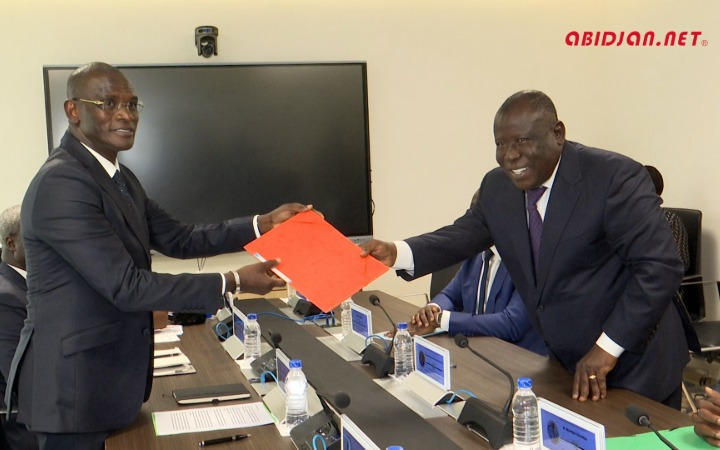
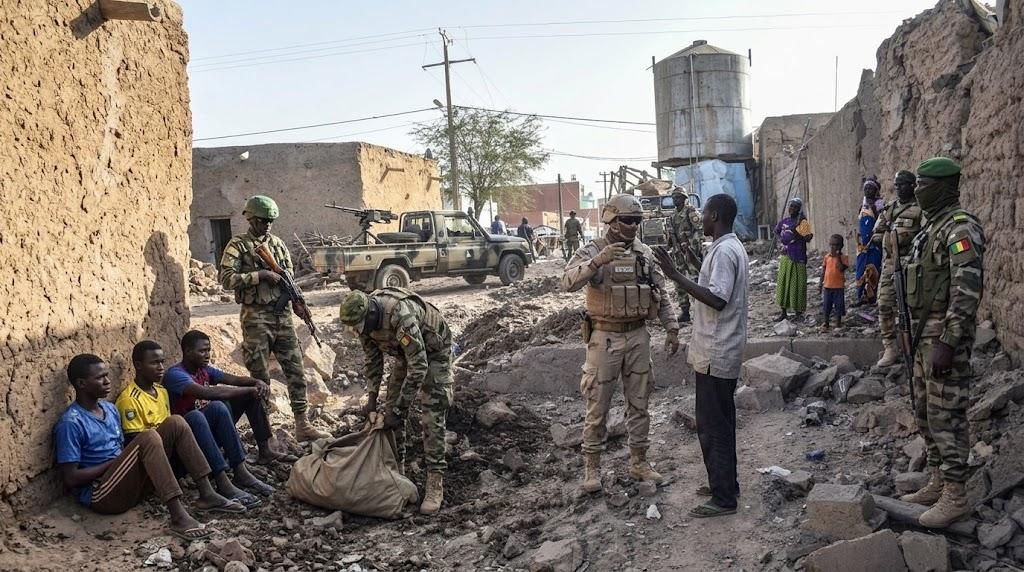
The President of the African Union Commission arrived in Bamako over the weekend to underscore the bloc’s unwavering commitment to Mali’s security and stability. Mahmoud Ali Youssouf’s visit follows a series of armed attacks across the country and reaffirms the African Union’s resolve to stand by Malian authorities despite the nation’s suspended membership since the 2021 political transition.

from words to action
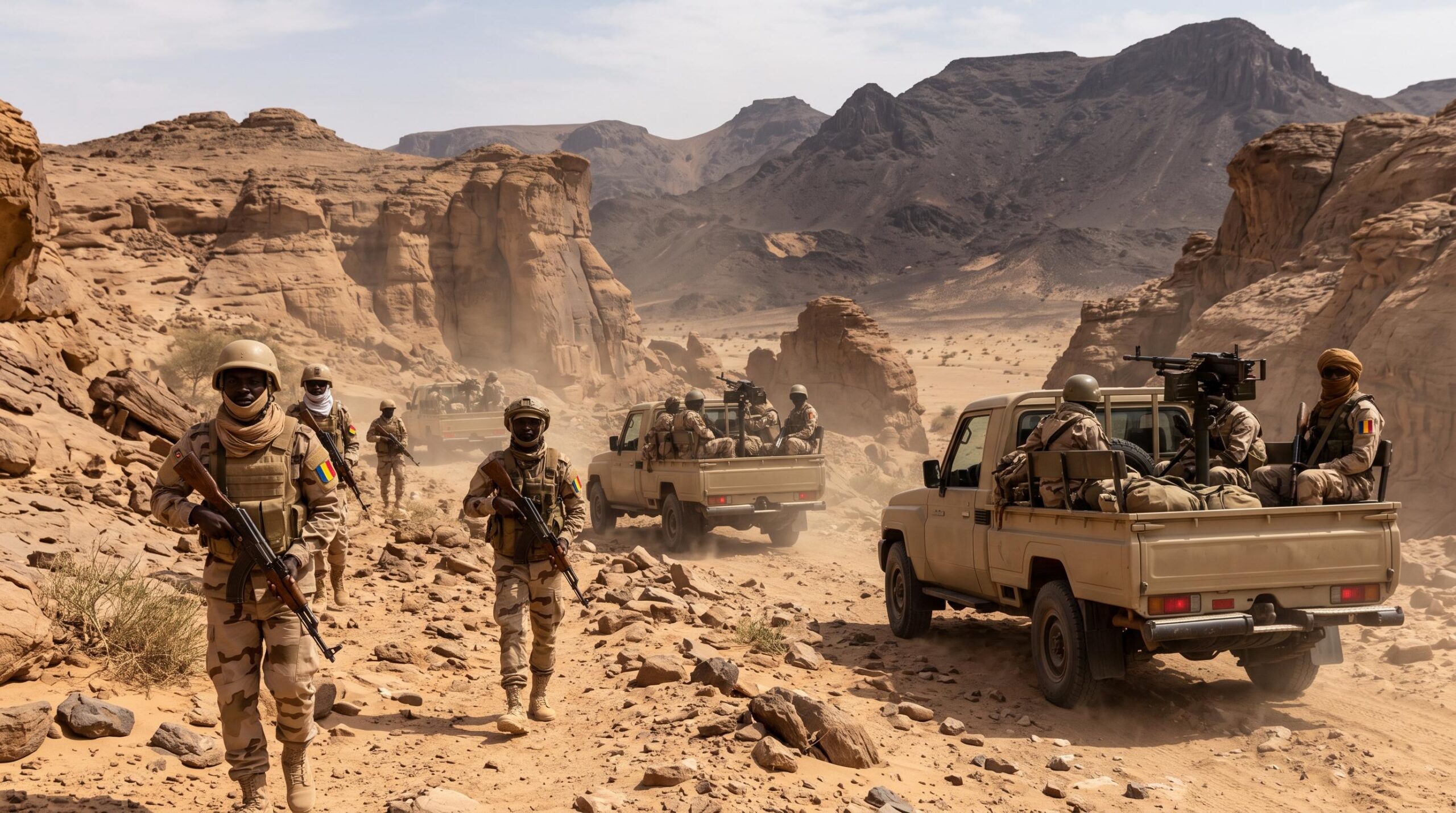
Mahmoud Ali Youssouf’s mission goes beyond symbolic gestures. The AU delegation’s arrival in Bamako sends a clear message: the African Union stands firmly with Mali as it battles armed insurgencies threatening its sovereignty and territorial integrity. Yet, as Alioune Tine, founder of Africa Jom Center, points out, the bloc must move beyond rhetoric to deliver tangible results.
« The AU Commission Chair must demonstrate solidarity not just in words but through action,» Tine argues. « It’s time to mobilize African nations with the capacity to assist Mali—whether through troop deployments or intelligence-sharing—to combat terrorism. That’s what Mali desperately needs right now.»
His call reflects growing frustration over the AU’s inability to translate political support into effective security cooperation on the ground.
the challenge of balancing unity and diplomacy
Despite the Malian government’s decision to abandon the 2015 Algiers Accord, the African Union continues to prioritize dialogue and inclusive political solutions. However, the shifting dynamics in northern Mali—where separatist factions have forged alliances with extremist groups like the Group for Support of Islam and Muslims (JNIM)—pose a significant challenge.
The AU rejects both the legitimacy and demands of the JNIM-FLA coalition, viewing their actions as a dangerous escalation. Yet, as Aly Tounkara of the Center for Security and Strategic Studies in the Sahel notes, the organization’s hands are tied by internal divisions and external dependencies.
« The AU faces an uphill battle in providing meaningful military or intelligence support,» Tounkara explains. « Member states often lack alignment on critical issues like Mali, and the AU remains heavily reliant on non-Saharan funders. These structural constraints severely limit the organization’s operational effectiveness.»
As the AU navigates these complexities, its leaders must decide whether Mahmoud Ali Youssouf’s visit will remain a symbolic gesture or mark the beginning of a more robust, coordinated response to Mali’s security crisis—one that could set a precedent for the wider Sahel region and the African Union’s future role in continental stability.


 Boureima Amadou