Mariama Hamani
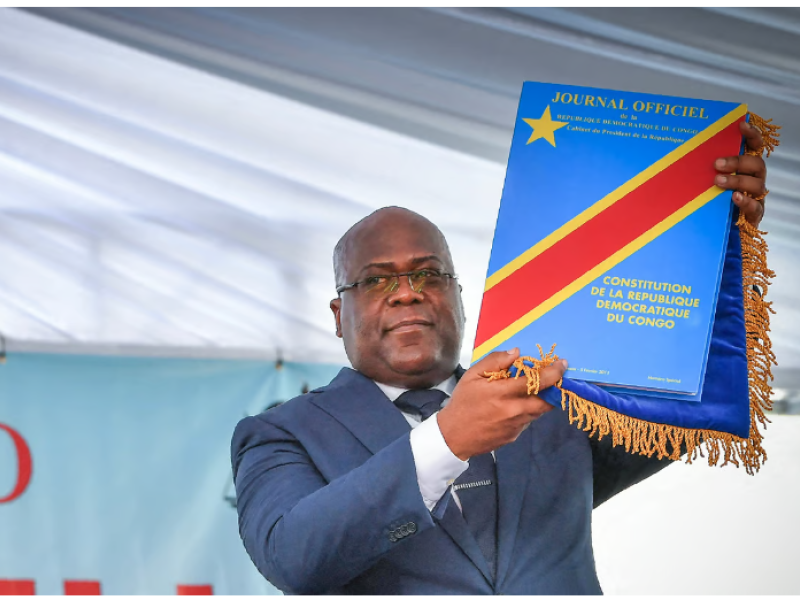
un calls for national consensus and human rights in drc constitutional reform
- Politics
The ongoing debate surrounding constitutional reform in the Democratic Republic of Congo, a subject that continues to deeply divide the nation’s socio-political landscape, recently garnered significant attention in Geneva, Switzerland. On Monday, June 29, 2026, this critical issue was a central point of discussion during an interactive dialogue held as part of the 62nd session of the Human Rights Council. The session featured the initial official update from the United Nations Independent Commission of Inquiry on the human rights situation in the North Kivu and South Kivu provinces.
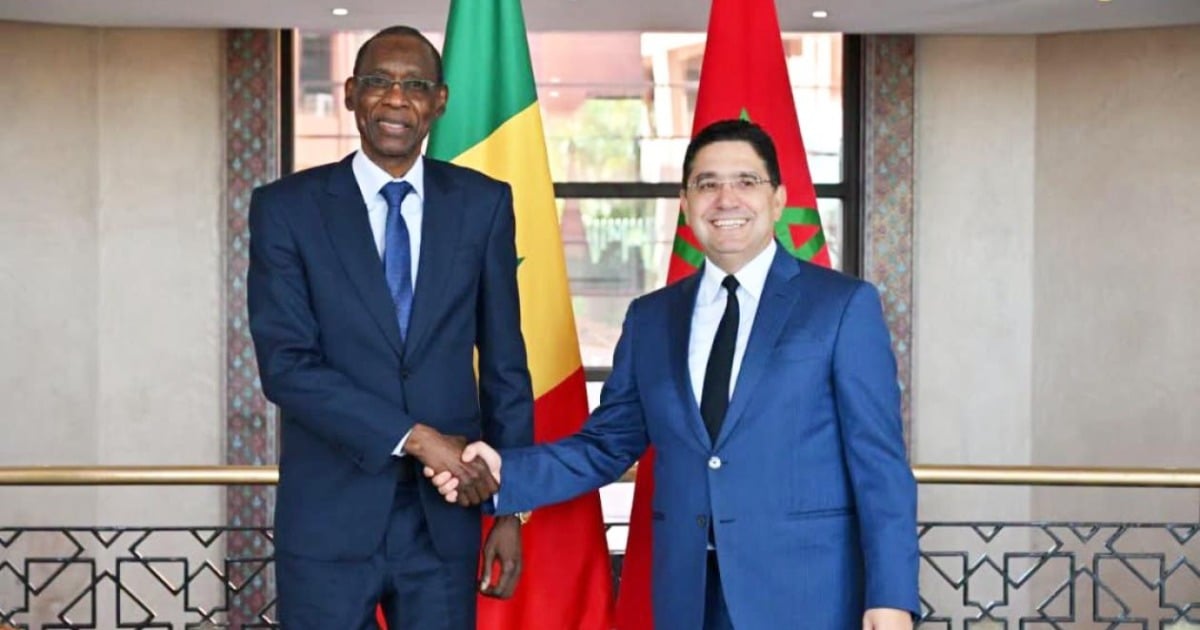
During his address at this crucial gathering, Abdoul Aziz Thioye, Deputy Director of the Global Operations Division at the Office of the United Nations High Commissioner for Human Rights, speaking on behalf of High Commissioner Volker Türk, voiced concerns over the diminishing civic and political space within the Democratic Republic of Congo. He specifically highlighted recent opposition-led demonstrations in Kinshasa, which protested against any proposed constitutional amendments.
Abdoul Aziz Thioye, who possesses extensive knowledge of the Democratic Republic of Congo, having previously served for several years as the head of the Joint United Nations Human Rights Office (BCNUDH), underscored that any process of constitutional reform must be founded on a broad national consensus to safeguard social cohesion.
“Every constitutional reform process must be built upon national consensus and uphold the country’s human rights commitments. All voices must be heard and considered, failing which social cohesion could face severe repercussions,” warned Abdoul Aziz Thioye, Deputy Director of the Global Operations Division at the Office of the United Nations High Commissioner for Human Rights.
Shifting focus, the former head of the Joint United Nations Human Rights Office (BCNUDH) also highlighted the significant support provided by the United Nations, through BCNUDH, in the fight against impunity across the Democratic Republic of Congo. This assistance has continued despite financial constraints and reduced staffing levels.
According to Thioye, this crucial backing has resulted in the conviction of 109 individuals. He further noted that support was extended to 150 human rights defenders, journalists, and their families.
“Since our last update to the Council, we have supported authorities in organizing three judicial investigations into grave human rights violations, as well as five mobile court hearings. These proceedings have led to the conviction of 109 individuals. We have also provided support to 150 human rights defenders and journalists, or members of their families, notably through psychological and legal assistance, financial aid, and relocation measures,” Abdoul Aziz Thioye elaborated.
Within the Democratic Republic of Congo, the constitutional reform debate has spurred the emergence of two distinct socio-political movements: on one side, the Coalition Article 64 for the Defense of Constitutional Order (C64), and on the other, the Coalition of Congolese for Constitutional Change (C4). Both platforms assert widespread popular backing for achieving their respective objectives.
This internal political discourse unfolds against the backdrop of another pressing national concern: the persistent security crisis in eastern Democratic Republic of Congo. This region is plagued by the activities of both local and foreign armed groups, as well as clashes involving the AFC/M23 rebellion, which is supported by Rwanda and controls vast territories in North Kivu and South Kivu provinces. Furthermore, the ADF continues its destructive operations, all while diplomatic initiatives appear to make more progress on paper than in achieving tangible results on the ground.