
 Mariama Hamani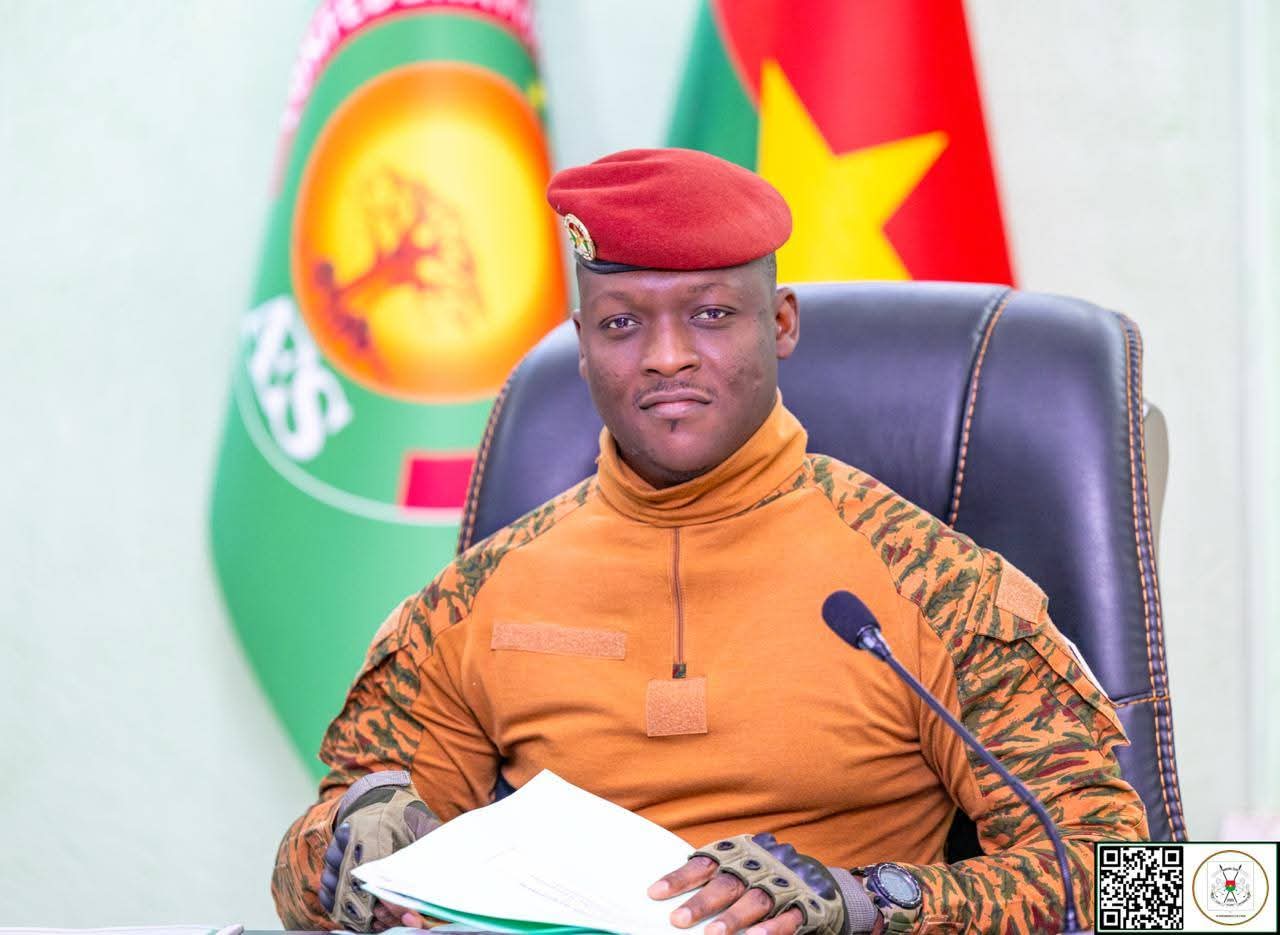
The second anniversary of the Alliance of Sahel States (AES), marked on July 6, 2026, saw Captain Ibrahim Traoré, the bloc’s current president, deliver a bold and forward-looking address. The Burkinabè leader painted a largely positive picture of the organisation’s achievements while outlining ambitious goals for the future of the Burkina Faso, Mali, and Niger alliance. Yet beneath the determined tone of the speech, serious questions linger about the bloc’s ability to turn its promises into tangible outcomes.
Promises of progress versus persistent realities
The AES president highlighted significant strides in political, diplomatic, and military cooperation, citing improved counterterrorism coordination, stronger shared institutions, and gradual economic integration. However, the address provided no concrete metrics or specific indicators to measure these advances. Meanwhile, the people of the Sahel continue to grapple with deep-rooted challenges: unrelenting insecurity in many areas, soaring inflation, limited access to essential social services, and sluggish economic growth.
Sovereignty ambitions face harsh economic constraints
The speech underscored a bold vision for economic sovereignty through industrialisation, local processing of natural resources, food and energy security, and unrestricted movement of people and goods. While these objectives are laudable, their realisation will demand substantial investments, robust infrastructure, and lasting stability—resources that remain scarce amid tight budgets and fragile security conditions across all three countries.
External pressures and internal accountability
Another key point in the address was the attribution of the AES’s challenges to a “war of economic and media aggression,” disinformation campaigns, and what was described as imperialist and neocolonial pressures. This narrative aligns with the bloc’s official stance since severing ties with several Western partners. Yet not all observers share this view. Many argue that internal factors—such as governance shortcomings, economic constraints, and the ongoing terrorist threat—play a major role in the alliance’s struggles.
The speech also sought to reassure by affirming that the AES is not directed against any people or organisation, while confirming ongoing talks with ECOWAS to reshape future relations. This conciliatory tone marks a shift from past tensions, signalling a possible effort to preserve regional gains such as freedom of movement.
Ultimately, Ibrahim Traoré’s message appears more as a political rallying cry to reinforce unity behind the AES project than as a rigorous assessment of its performance.
Security gaps overshadow celebratory tone
Two years after its launch, the AES presents a clear vision and mobilising rhetoric centred on sovereignty and integration. Yet the true measure of success will be tangible results: safer communities, job creation, economic growth, and improved living standards for the people. So far, the alliance’s security track record remains mixed.
While the bloc’s president points to progress in counterterrorism efforts, recent attacks in Mali paint a starkly different picture. On July 4, 2026, coordinated assaults targeted multiple military positions in Gao, Aguelhok, Anéfis, Sévaré, and Kéniéroba, demonstrating the persistent capability of armed groups to strike across multiple fronts simultaneously.
These incidents expose the limitations of the security frameworks currently in place. Despite repeated emphasis on enhanced military cooperation and joint operations, the AES has yet to decisively reverse the tide of insecurity in the Sahel. For the people living in the region, the need is no longer just for bold speeches on sovereignty and unity—it is for concrete action: a meaningful reduction in attacks, the restoration of stability, and a noticeable improvement in daily safety.


 Boureima Amadou





