
 Boureima Amadou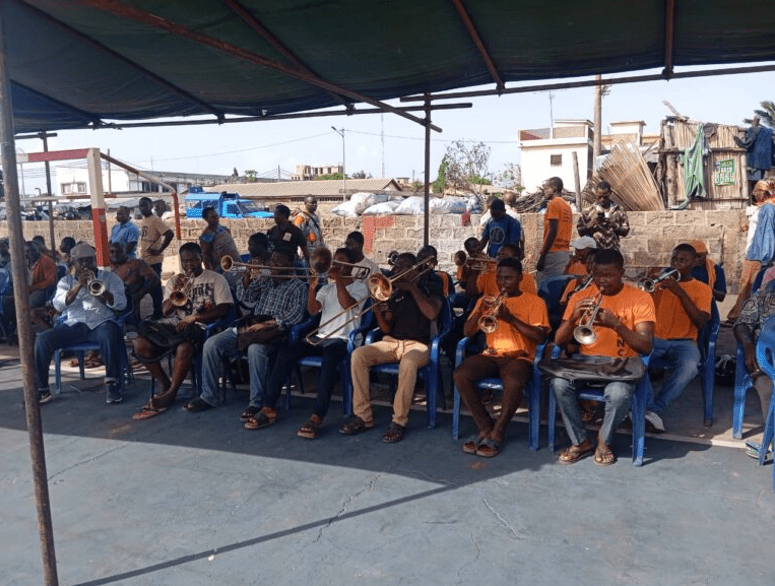
Despite aggressive promotional efforts, the much-anticipated gathering organized by the Cadre national de concertation pour le changement (CNCC) in Akassimé, Lomé, fell far short of expectations. On Saturday, May 9, 2026, the scheduled 14:00 meeting attracted only scattered clusters of activists instead of the anticipated massive turnout.
By 15:00, the venue remained sparsely populated, with a handful of participants responding to calls from opposition leaders. Analysts suggest this low turnout reflects a broader fatigue with traditional protest methods. Citizens appear increasingly focused on tangible outcomes—such as job creation, access to clean water, and universal healthcare coverage—rather than political sloganeering.
Prominent figures within the movement, including sitting National Assembly deputies, struggled to energize the crowd. Their messaging, at times perceived as overly alarmist, has lost alignment with an electorate demanding constructive solutions for daily challenges. This disconnect raises questions about the coherence of the coalition’s strategy, caught between institutional engagement and street-level mobilization.
The transition from the Collectif pour le Rassemblement et l’Action Citoyenne (CRAC) to the CNCC has yet to rekindle momentum. Critics view the rebranding as superficial, arguing it fails to address the core issues driving public disengagement. Rather than a high-impact political rally, the event resembled a modest neighborhood gathering with limited national influence.
To reclaim relevance, opposition leaders must critically reassess their tactics. The rejection of recycled rhetoric signals a demand for direct contributions to national development. The political survival of these groups now hinges on their ability to propose tangible alternatives, moving beyond fleeting mobilizations and empty promises.








