Mariama Hamani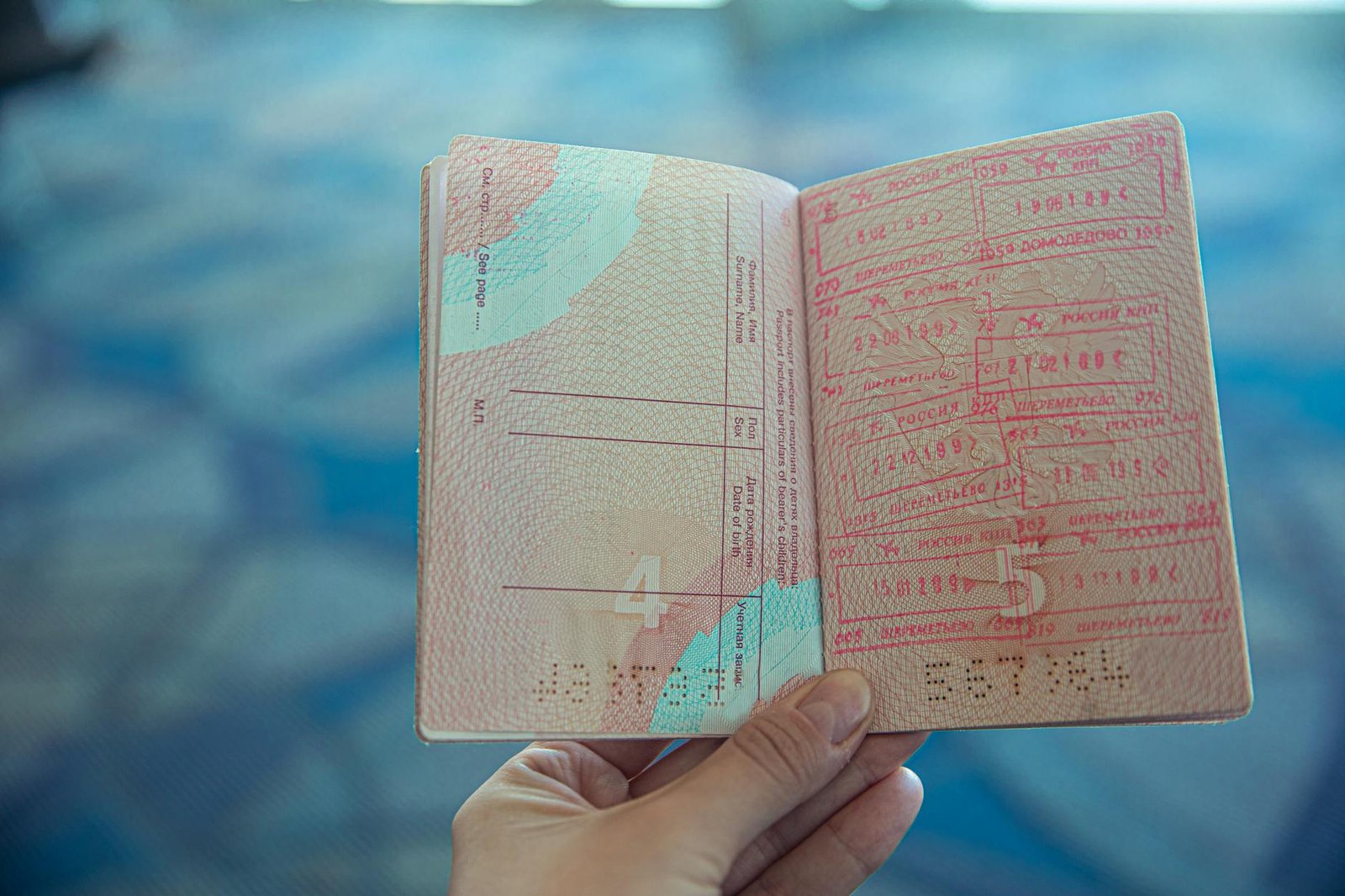
The Dakar Urban Security unit has uncovered a sophisticated counterfeit operation producing fake visa approval letters, exposing the growing complexity of irregular migration networks passing through Senegal. A key suspect, linked to what investigators term a Chinese-run syndicate, was apprehended following a coordinated raid by the capital’s police force. This high-profile case, first reported by local media, reignites concerns about consular vulnerabilities across West Africa.
dismantling a counterfeit visa document syndicate in Dakar
Investigators revealed that the operation involved a well-organized network manufacturing fraudulent approval letters—critical documents often required before visa applications are processed by diplomatic missions. When legitimate, these letters serve as gatekeepers for consular evaluations and are highly sought-after by prospective travelers.
The suspect’s arrest marks the culmination of weeks of covert surveillance. Authorities are now working to trace the masterminds and ultimate beneficiaries of the scheme. Evidence suggests possible transnational links, with accomplices potentially operating beyond Senegal‘s borders.
Senegal’s role as a regional hotspot for document fraud
Dakar has long served as a pivotal migration and consular hub in West Africa. Its strategic location—coupled with extensive air connections to Europe, Asia, and the Middle East—makes it both a gateway for legitimate travelers and a target for illicit document trafficking. Over recent years, Senegalese authorities have intensified crackdowns on counterfeit passport, visa, and civil registry document networks.
The Directorate of Foreigners and Travel Documents Police (DPETV) and Dakar’s Urban Security unit frequently collaborate on such cases. Investigations reveal that Chinese, African, and Middle Eastern syndicates employ increasingly advanced printing techniques, sometimes with insider assistance from government or private sector entities. This technological escalation poses fresh challenges for both consular and law enforcement detection efforts.
safeguarding administrative sovereignty and global trust
Beyond legal implications, this case highlights the fragility of consular document chains. Destination countries—whether in Europe, Asia, or the Gulf—are tightening scrutiny over the authenticity of supporting documents. Each scandal involving forged papers erodes international confidence in Senegalese-issued credentials and can trigger stricter verification protocols, affecting legitimate applicants.
The Chinese dimension of this syndicate, as noted by investigators, underscores the deepening economic ties between Asian communities and Dakar’s commercial landscape. While authorities distinguish between lawful business activities that boost investment and employment and criminal exploitation that tarnishes the nation’s reputation, cross-border judicial cooperation may be required if the network’s reach extends beyond Senegal.
The detained suspect will be brought before Dakar’s prosecutor upon completion of custody. Potential charges include criminal conspiracy, forgery, and aiding illegal immigration. Further inquiries will determine the full scope of the operation and the volume of fraudulent documents circulated on the underground visa market.

 Boureima Amadou