Mariama Hamani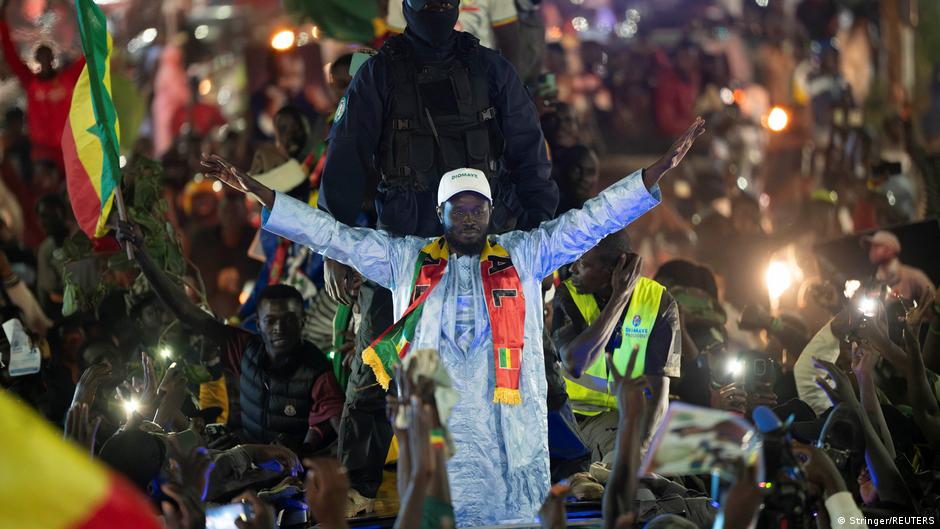
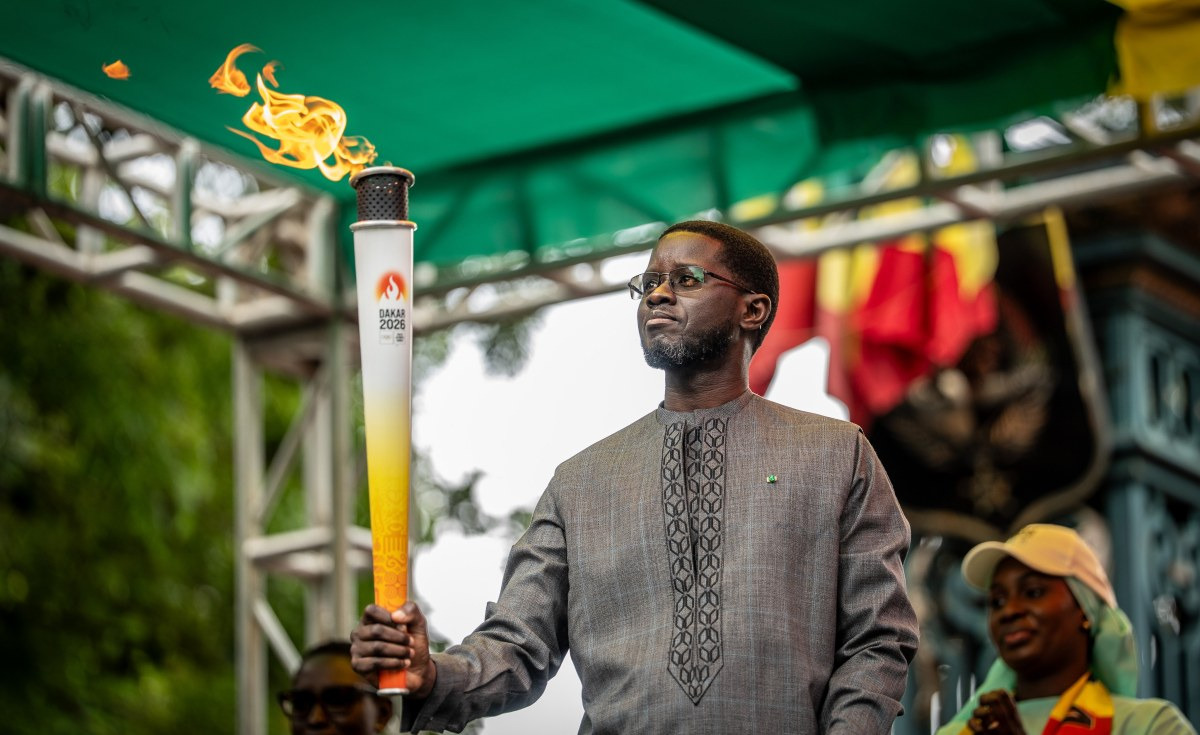
In his hometown of Mbour, the presidential coalition “Diomaye Président” made a bold statement to the Pastef party. Two years into his presidency, Bassirou Diomaye Faye is now asserting his political independence, stepping beyond the shadow of the movement that propelled him to power in 2024.
The event, officially framed as a progress review gathering, carries far greater significance. It signals a potential shift in the balance of power within the ruling majority and foreshadows coming electoral challenges.
establishing an independent presidential identity
The Senegalese leader has been gradually distancing himself from the Pastef, led by Prime Minister Ousmane Sonko. During a widely discussed interview in early May, Faye criticized what he called an “excessive personalization” of the political project—a clear warning against Sonko’s dominant influence in Senegal’s political landscape.
The Mbour gathering embodies this strategy. Observers see it as an intentional move to cultivate a distinct “Diomayist” movement, directly tied to the presidency and separate from Pastef’s grassroots machinery. This institutional refocusing aims to reinforce constitutional hierarchy in a system where the president holds ultimate executive authority.
a popularity test with high stakes
Selecting Mbour was no accident. As both an electoral stronghold and a secure venue, the choice allowed the coalition to demonstrate real grassroots support beyond strict Pastef networks. While the president’s absence—replaced by a video address—drew comment, the massive turnout at the Caroline-Faye stadium proved the movement’s independent appeal.
Analysts highlight two key objectives: showcasing popular backing and psychologically preparing the public for potential political restructuring ahead of the upcoming legislative elections and especially the 2029 presidential race.
the 2029 presidential question
At Mbour, coalition officials openly urged Bassirou Diomaye Faye to seek re-election—a premature but telling development. If permitted by the Constitution, this would fundamentally alter the majority’s dynamics, requiring either enduring cohabitation with Sonko or a clear delineation of roles and ambitions.
Relations between the two leaders appear increasingly strained. Targeted dismissals, restructuring of the presidential communications team, and disputes over coalition control reveal an ongoing power struggle at the heart of the state. An open break could destabilize the majority, while an ambiguous cohabitation might accelerate political fatigue.
The president faces immense social expectations: youth employment, rising living costs, judicial reform, and economic governance. While the government points to progress, several promised reforms have yet to deliver visible results, fueling growing impatience among Senegalese citizens.
In this context, the Mbour rally also serves as a call to renew political mobilization at a time when the executive itself acknowledges “challenging times ahead,” driven by budget constraints and debt pressures.
a pivotal moment in the presidency
Far more than a standard political gathering, the Mbour event marks a turning point in Bassirou Diomaye Faye’s term. It signals his transition into a more conventional, and riskier, phase of leadership—one demanding careful balance between political loyalty, institutional authority, and strategic planning for the future.
The ultimate question remains: will this strategy of differentiation strengthen his position or trigger lasting internal divisions? In Senegal, where unity within the ruling bloc has long been touted as essential to the 2024 “break with the past,” the stakes couldn’t be higher.

 Boureima Amadou