Boureima Amadou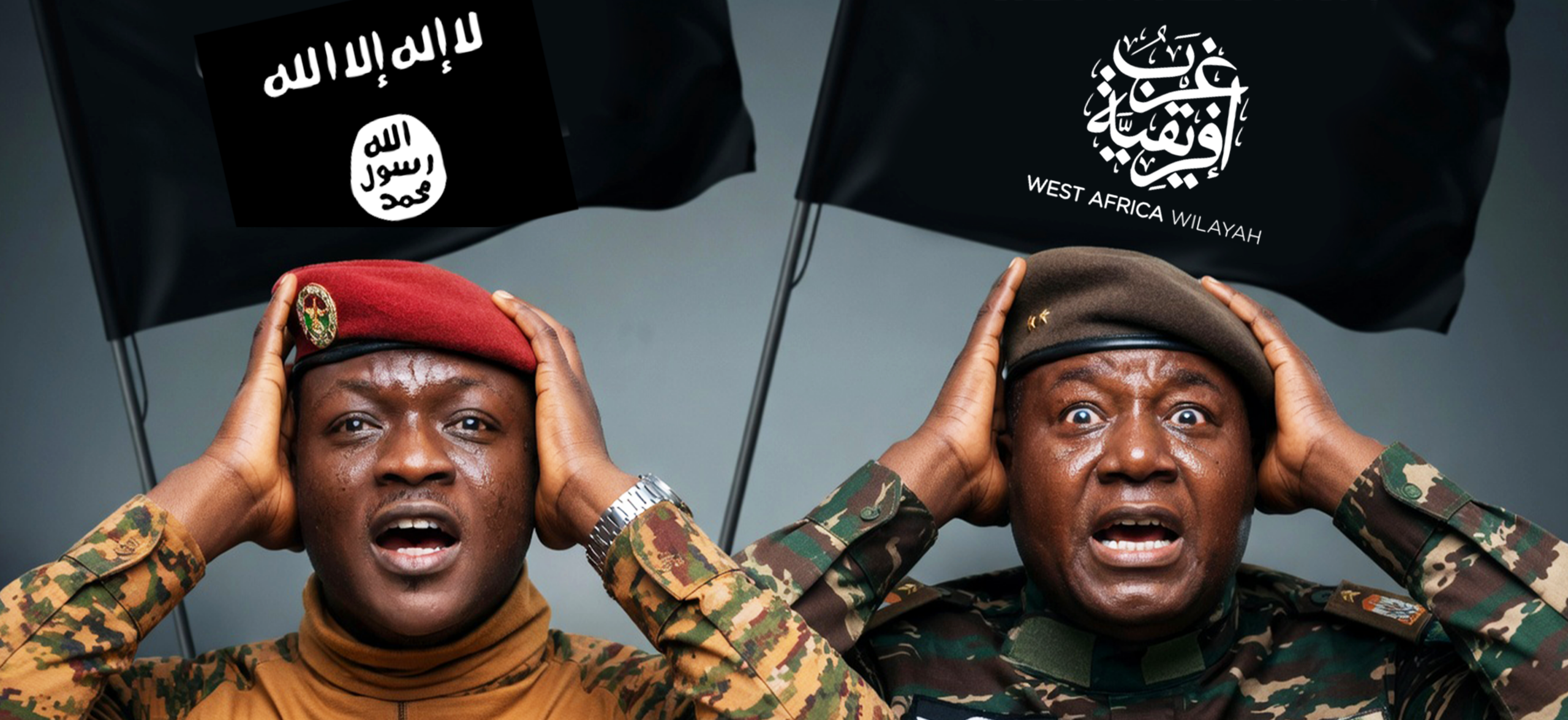
Recent clashes along the border between Burkina Faso and Niger are not isolated incidents but rather critical chapters in the ongoing hegemonic struggle between the Sahel’s two dominant jihadist entities: the Al-Qaeda-aligned Group for the Support of Islam and Muslims (JNIM) and the Islamic State in the Greater Sahara (EIGS).
This escalation in the Sahelian conflict signifies the end of a unique global phenomenon where Al-Qaeda and Islamic State affiliates previously coexisted. Since 2020, this arrangement has given way to a systemic and direct confrontation. The porous Burkina Faso-Niger border has emerged as the primary battleground for what can only be described as a ‘civil war’ within the jihadist movement, where each faction prioritizes the elimination of its ideological rival as a strategic prerequisite for any significant offensive.
At the core of this conflict are fundamental doctrinal differences, particularly concerning the management of civilian populations:
- JNIM (Integration Strategy): Guided by Iyad Ag Ghali, JNIM employs a ‘hearts and minds’ approach. The group endeavors to integrate itself into local community disputes, offers a form of justice, and largely avoids mass killings of Muslims. Its overarching goal is to establish a proto-state that gains acceptance among the populace.
- EIGS (Terror Strategy): Adhering strictly to the central Islamic State ideology, EIGS implements an ultra-radical interpretation of takfir (excommunication). For EIGS, anyone who does not pledge allegiance is deemed an apostate. This indiscriminate brutality frequently ignites clashes with JNIM, which then positions itself as a ‘shield’ for civilians to bolster its own legitimacy.
Given its status as a crucial transit corridor, the recent confrontations in the Burkina-Niger border region likely aimed at controlling vital resources:
- Contraband Routes: Pathways for fuel, livestock, and various goods, the taxation of which finances the factions’ war efforts.
- Mobility Corridors: Essential routes for moving fighters between their Malian strongholds and areas targeted for expansion towards the Gulf of Guinea states.
For the authorities in Burkina Faso and Niger, both members of the Alliance of Sahel States (AES), these internal jihadist battles create extreme security chaos for civilians. They trigger massive displacements of refugees, placing significant burdens on state resources. Furthermore, these complex dynamics complicate air strikes, as identifying legitimate targets amidst multiple moving factions becomes inherently perilous.
More than a mere territorial dispute, this is a struggle for political survival. JNIM seeks to preserve its historical hegemony, while the more mobile and violent EIGS attempts to break out of its perceived encirclement. For Burkina Faso and Niger, sustained vigilance remains paramount: the mutual weakening of these groups does not signal their demise but rather an ongoing evolution of the threat along their borders.


 Mariama Hamani