Boureima Amadou
Somdia exits Sosucam: hidden motives behind Cameroon sugar industry shake-up
The abrupt departure of the Somdia group from the Sosucam has sent ripples through Cameroon’s sugar sector. Industry insiders reveal that behind this decision lie far more complex dynamics than the alleged family disputes touted by certain media outlets. Albin Njilo, a seasoned commentator on economic affairs, sheds light on the real reasons driving this strategic shift.
According to Njilo, « Somdia’s exit from Sosucam follows broken promises made by Pierre Castel to the President of Cameroon. While the public narrative suggests internal family disputes, the truth points to a deliberate strategy by local elites to manipulate sugar import licenses for personal enrichment. »
The role of import policies in Cameroon’s sugar crisis
The journalist highlights that Somdia had invested 4.5 billion FCFA last year in a bid to stabilize the market, hoping the government would curb excessive sugar imports. However, the situation worsened. Despite producing high-quality sugar locally, Sosucam faced an avalanche of cheaper imports totaling 125 billion FCFA. The culprits? A network of import licenses granted to proxies of powerful political figures who exploited favorable customs conditions.
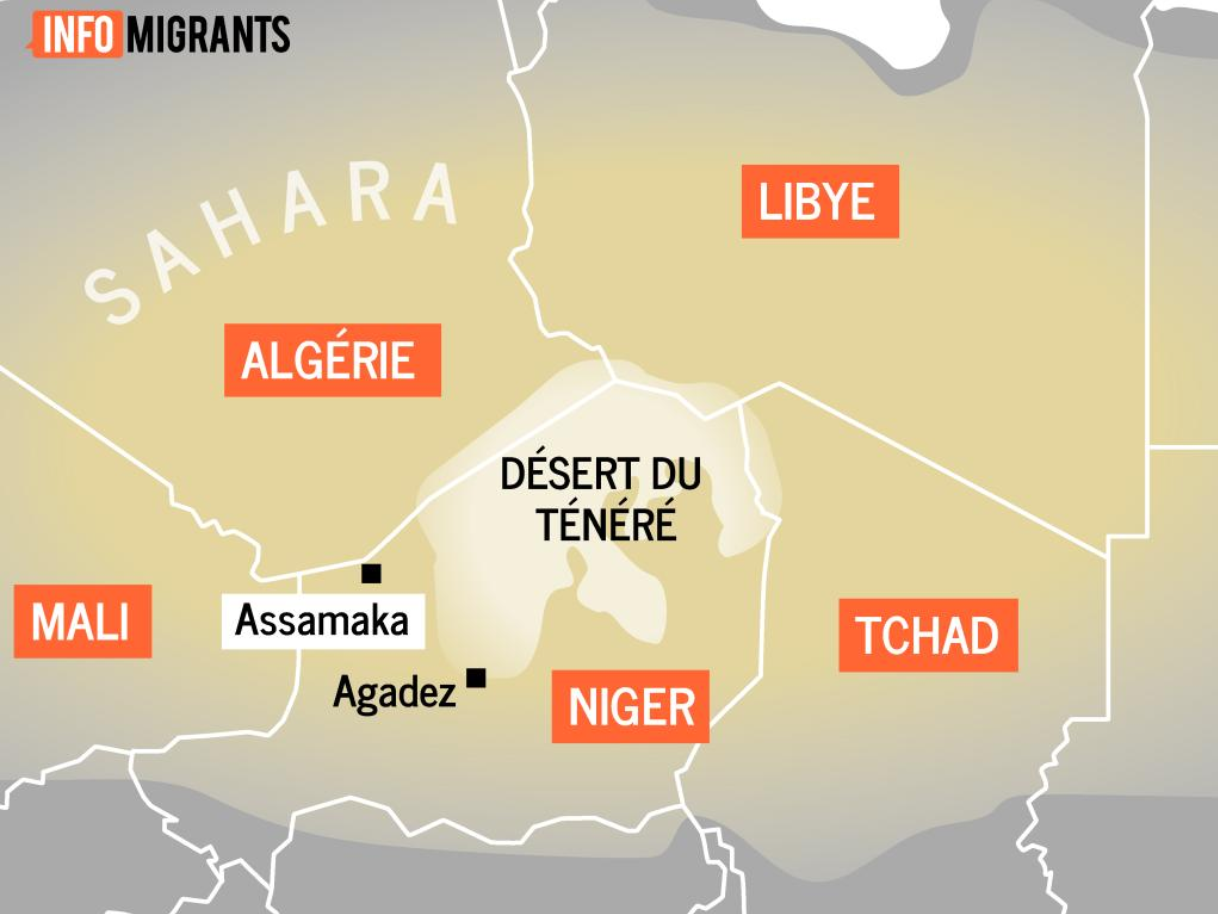
Njilo explains that these imports, officially destined for the Cameroonian market, were instead smuggled into neighboring countries. « Massive quantities of sugar are currently stockpiled in warehouses at Ngaoundéré’s railway terminal, blocked since President Mahamat Idriss Déby reinstated customs barriers on Cameroonian sugar. This sugar is later redirected back into the Cameroonian market, » he reveals.
Why Côte d’Ivoire is now the preferred destination
Somdia has recently signed a landmark deal with Côte d’Ivoire, committing to invest 100 billion FCFA in the country’s sugar industry. The stark contrast lies in Côte d’Ivoire’s regulatory approach. Unlike Cameroon, where import licenses are often misused, the Ivorian government carefully assesses production deficits and allocates import quotas exclusively to producers during shortages.
Njilo concludes that « while Cameroon’s sugar sector grapples with corruption and inefficiency, Côte d’Ivoire offers a more transparent and producer-friendly environment. The move by Somdia is not just a business decision—it reflects the dire state of governance in Cameroon’s sugar industry. »