Boureima Amadou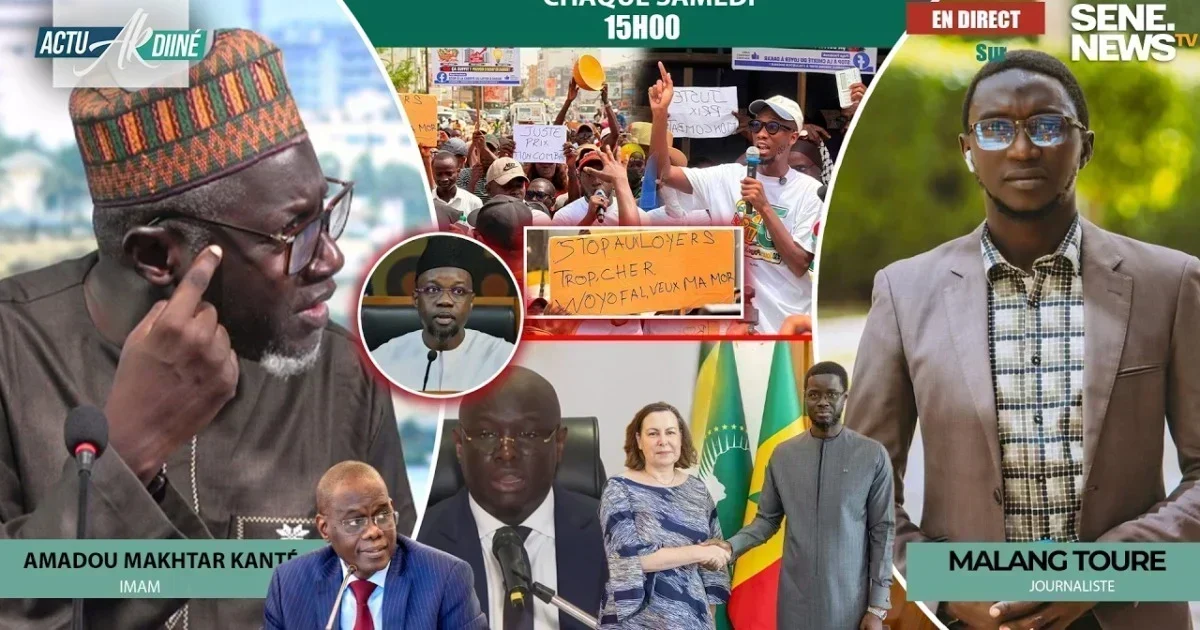
Fmi loan and Ousmane Sonko’s projects under scrutiny
At a time when financial resource management and economic sovereignty dominate public debate, this analysis sheds essential light on the decisions that lie ahead.
The recent approval of an International Monetary Fund (IMF) loan to Senegal has sparked a wide-ranging discussion about the country’s economic direction. This financial support arrives amid heightened political tensions and growing expectations from the population.
Prime Minister Ousmane Sonko has outlined an ambitious agenda aimed at strengthening national sovereignty and restructuring key economic sectors. His proposals, however, raise questions about how the borrowed funds will be allocated and whether they align with the broader vision of self-reliance.
Observers note that the IMF agreement marks a pivotal moment for Senegal. The loan, reportedly substantial, is intended to bolster the nation’s fiscal position and support development initiatives. Yet, critics argue that such external financing could impose conditions that may conflict with local priorities.
In his recent public statements, Sonko has emphasized the need to renegotiate terms that better serve Senegal’s interests. He has also hinted at launching investigations into past financial management, signaling a shift toward greater accountability and transparency.
This analysis explores the interplay between the IMF loan, Sonko’s reformist vision, and the broader implications for Senegal’s economic future. It draws on expert opinions and policy documents to provide a comprehensive overview of the current situation.
As the government prepares to implement its strategy, citizens and stakeholders alike are watching closely. The outcome of these efforts could redefine Senegal’s relationship with international financial institutions and set a precedent for other African nations navigating similar challenges.

 Mariama Hamani