Mariama Hamani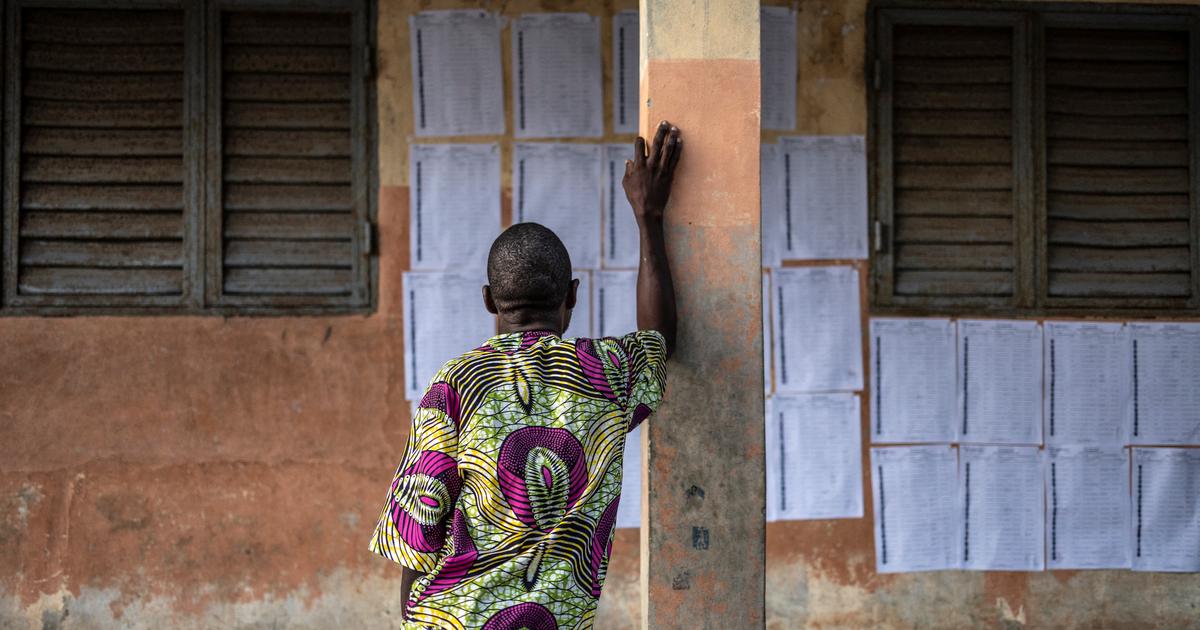
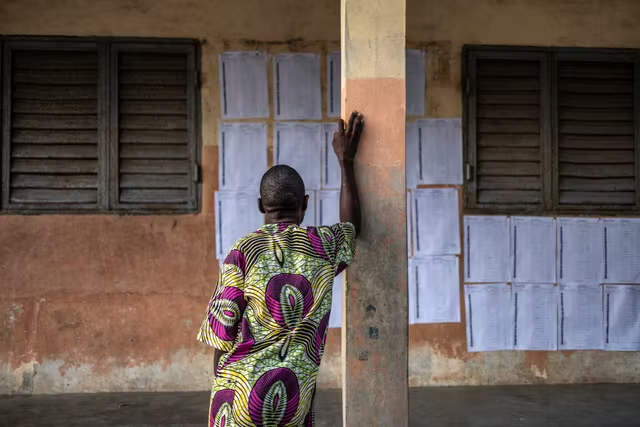
Predictable outcomes, lackluster campaigns, and first-round victories for incumbents. The 2025 presidential elections across Africa revealed a troubling pattern: opposition forces were systematically sidelined even before campaigning began. The most recent examples? Djibouti’s vote on April 10 and Benin’s on April 12. In Djibouti, incumbent President Ismaïl Omar Guelleh secured a sixth term with an astonishing 97.8% of the vote. Meanwhile, in Benin, Romuald Wadagni—handpicked successor to outgoing leader Patrice Talon—claimed victory with 94% of ballots cast. Both elections saw minimal genuine competition.
The price of democracy? Too high for most
In Djibouti, prominent opposition figure Alexis Mohamed withdrew from the race before it even started. While he cited safety concerns, the real barrier was financial: “the nomination fees were prohibitive.” Observers described the process as “a mere formality,” designed to ensure a predetermined result. The pattern isn’t isolated. Across the continent, candidates face exorbitant campaign costs that systematically favor established power structures over grassroots challengers.
From inflated filing fees to punishing campaign finance rules, the system is rigged long before ballots are cast. The message is clear: in these elections, the deepest pockets win—not the most popular candidates.

 Boureima Amadou