Boureima Amadou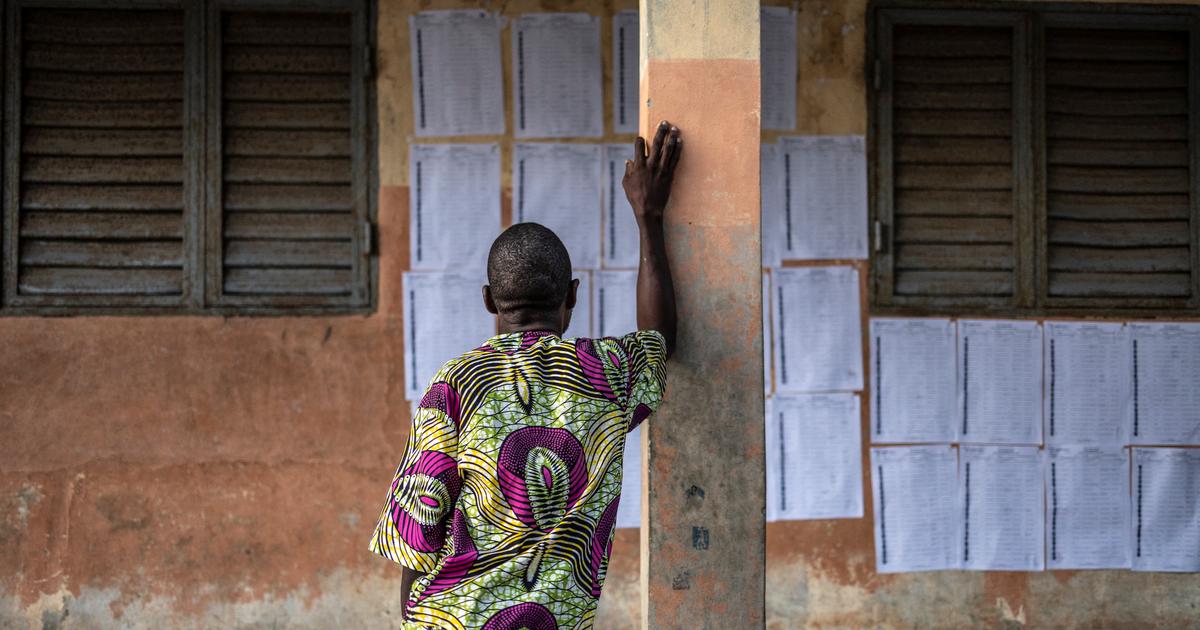
Early 2025 witnessed a troubling pattern across African presidential elections: pre-campaign crackdowns against opposition figures. The latest contests in Djibouti and Benin on April 10 and 12 respectively, epitomized this trend. Incumbent leaders secured landslide victories—Ismaïl Omar Guelleh won Djibouti’s presidency with 97.8% of the vote, while Benin’s Romuald Wadagani claimed 94% in a similarly uncompetitive race.
In Djibouti, opposition leader Alexis Mohamed bowed out before the campaign even began, citing crippling nomination fees and security concerns as insurmountable barriers. Analysts branded these elections “predetermined rituals”, where financial hurdles alone suffocated genuine political competition. The outcome? A hollow democratic process where results were scripted long before polling stations opened.
the price tag of power: why exorbitant fees silence dissent
Candidates across the continent now face a brutal paradox: to run for office, they must pay fees that often exceed annual salaries. In Benin, aspirants for the 2026 presidential race reportedly shelled out millions in local currency just to qualify. For grassroots leaders, this means choosing between a political career or financial ruin.
Critics argue these fees are deliberately inflated to exclude rivals of the establishment. “The system is rigged,” declared a Beninese political strategist. “Only those with deep pockets—or elite backing—can survive the first round.” The pattern extends beyond Benin: in Djibouti, candidates must deposit amounts equivalent to 500 times the average annual income, a figure so steep it effectively bans all but the wealthiest contenders.
democracy’s financial gatekeepers
These barriers don’t just limit competition—they redefine the rules of engagement. Campaign finance laws, ostensibly designed to prevent corruption, now serve as instruments of exclusion. Opposition figures report harassment, arbitrary disqualifications, and fabricated legal challenges as alternative tactics to sideline them.
The consequences are stark. With opposition voices systematically muzzled, voters face no meaningful choice at the ballot box. Elections that should reflect the will of the people instead become rubber-stamp events, reinforcing authoritarian tendencies under a veneer of legitimacy.



 Mariama Hamani