Boureima Amadou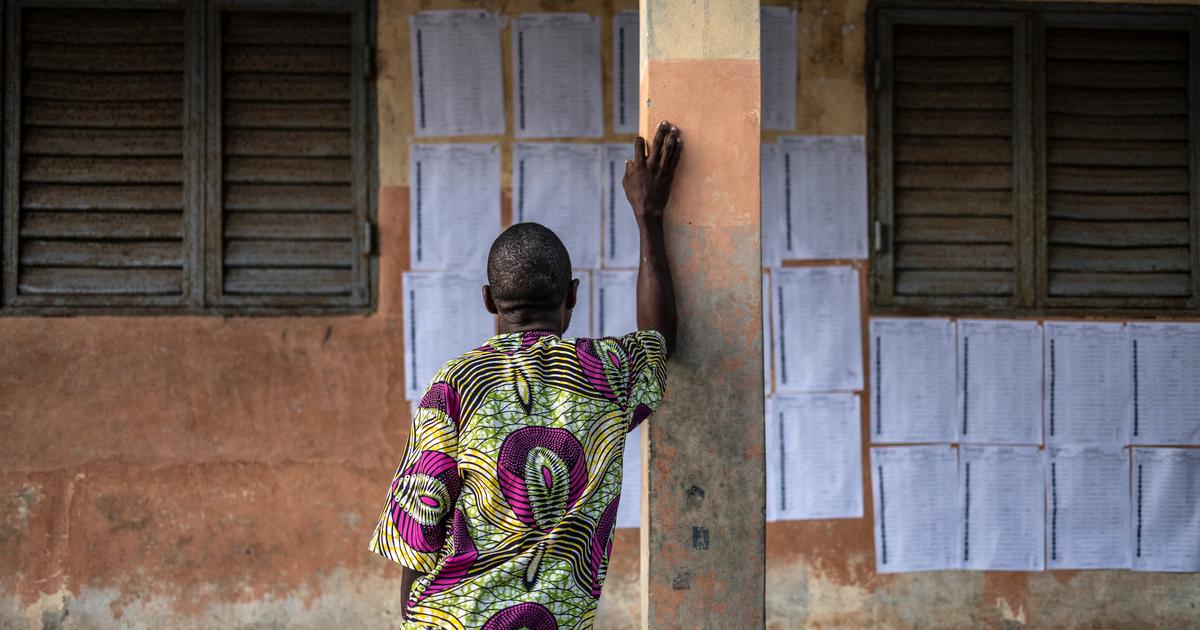
“Predictable outcomes”, “one-sided contests”, “incumbents claiming victories in first rounds”. These phrases have dominated African presidential elections throughout 2025, as opposition voices were systematically silenced before campaigning even began. The most recent examples unfolded in Djibouti on April 10, followed by Benin two days later. In Djibouti, incumbent President Ismaïl Omar Guelleh secured a sixth term with an overwhelming 97.8% of the vote. Meanwhile in Benin, Romuald Wadagni—handpicked successor to Patrice Talon—claimed victory with 94% of ballots cast. Both results reflected landslide wins in elections where genuine competition barely existed.
Financial barriers lock out challengers
In Djibouti, opposition leader Alexis Mohamed abandoned his bid for the presidency, not due to lack of support, but because he faced insurmountable hurdles. While he cited safety concerns as a deterrent to free campaigning, the primary obstacle was exorbitant nomination fees. Election observers described the process as “a ceremonial exercise designed to rubber-stamp predetermined outcomes.”
How inflated fees reshape African elections
Campaign costs have become a systemic issue across the continent, with aspiring candidates often priced out of the race before ballots are cast. In Benin, prospective challengers reportedly withdrew after failing to meet the steep financial requirements imposed by electoral authorities. The pattern mirrors Djibouti’s experience, where only candidates able to pay substantial deposits—and secure elite backing—could even register their candidacies.
These financial barriers do more than filter out competition—they fundamentally distort democratic processes. By pricing lower-income candidates out of the system, they ensure incumbents and establishment-backed contenders dominate the field. The result? Elections that prioritize deep pockets over ideas, leaving voters with little meaningful choice at the polls.
Beyond Djibouti and Benin: a growing trend
While the cases of Djibouti and Benin are stark, they are not isolated. Across Africa, rising nomination fees have emerged as a preferred tactic for governments seeking to maintain control. In some nations, the costs have ballooned to millions of local currency units, far exceeding the wealth of most citizens. This financial gatekeeping extends beyond presidential races, affecting legislative and municipal elections where opposition parties struggle to field candidates.
The implications are clear: when elections become contests of wealth rather than platforms for policy debate, democracy pays the price. Citizens are left to choose between candidates who can afford to run—not those best positioned to lead. Until these structural barriers are dismantled, the continent’s electoral landscape will remain tilted in favor of the status quo.


 Mariama Hamani