Mariama Hamani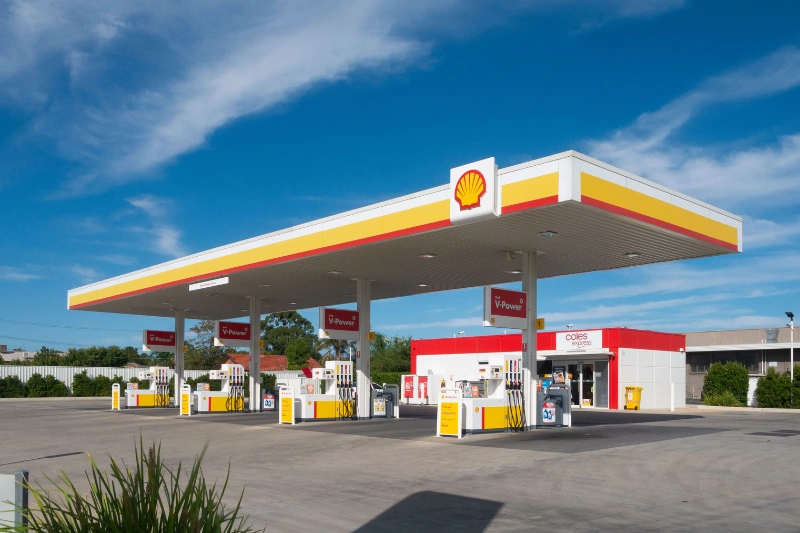
Last Tuesday, Shell and Gabon’s Ministry of Petroleum signed a memorandum of understanding. For many analysts, this agreement signals a strong vote of confidence in the country’s attractiveness and its offshore oil potential. The British firm joins two other industry giants that recently showed interest in deepwater blocks: ExxonMobil and BP had already explored such zones less than a year earlier. This trend suggests Gabon is once again becoming a destination of choice for major oil companies. However, a closer look tempers the widespread enthusiasm.
This document is merely a declaration of intent, not a binding commitment. A very long road lies ahead before any oil can actually be extracted and sold. Shell could later change its mind: if survey results disappoint, if oil prices fall, or if the company finds a more profitable country, it can walk away without paying any penalty. This is not the first time Gabon and the British company have crossed paths. Shell was already present, then left Gabon in 2017 and completely exited by 2019. Its return now is primarily driven by its own corporate strategy, not altruism toward Gabon.
And it is precisely here that the government holds a slight negotiating edge. At this stage, it will need to bargain skillfully. What share of revenues will flow to the state? How many jobs and training opportunities for Gabonese citizens will be created? And, later, the question of management: once money starts coming in, how will it be safeguarded and invested in building the future, instead of being spent immediately? Remember, it takes between seven and fifteen years before any commercial production begins. Budgetary and employment benefits would only materialise between 2033 and 2036 at best. Between seismic campaigns, appraisal drilling, reactivating subcontracting chains, and employing young people, there is much to be done.
—
—
Gabon is not the only African country facing this situation. Angola and Nigeria have negotiated to extract maximum benefits from similar deals. Cost recovery thresholds, state share based on profitability, transparency and monitoring, etc., nothing was left to chance. The issue is not attracting Shell; it is under what conditions.
While neighbouring countries tighten their rules to convert oil profits, especially from offshore fields, into real development, Gabon appears to be negotiating using the same tools that led to failures over the past thirty years. Shell knows this perfectly well: it signs identical MoUs everywhere. What makes the difference is what the host country subsequently imposes.

 Boureima Amadou