Boureima Amadou
Sénégal, guerre au Moyen-Orient et Mondial 2026
This week’s debate examines three critical issues shaping Senegal’s trajectory: the formation of a new presidential party following the constitutional council’s rejection of reforms proposed by the Pastef majority led by Ousmane Sonko, escalating Middle East conflicts, and the implications of Senegal’s bid for the 2026 World Cup.
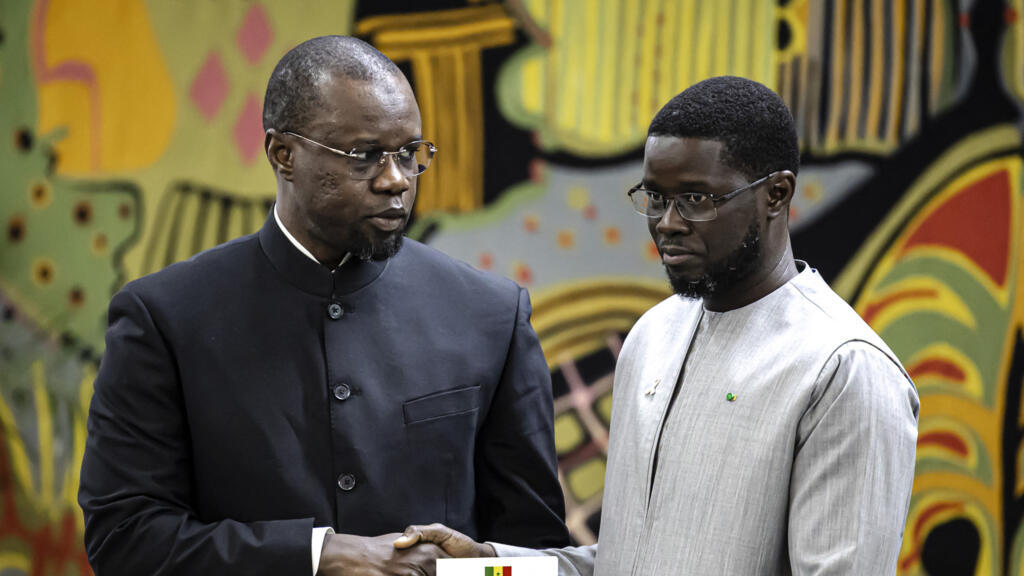
Senegal stands at a crossroads as President Bassirou Diomaye Faye navigates complex domestic and international challenges. Domestically, the establishment of a new presidential party comes on the heels of a constitutional council ruling that invalidated reforms pushed by the ruling Pastef coalition led by Ousmane Sonko. This political maneuvering raises questions about the administration’s ability to unite a divided nation and consolidate public support ahead of upcoming elections and policy rollouts.
Meanwhile, the Middle East crisis continues to escalate, with recent escalations between Iran and Western powers threatening regional stability. The abrupt end of ceasefire discussions by the United States signals a potential shift toward increased military engagement, leaving observers to wonder whether diplomatic solutions can still prevent further deterioration.
Against this backdrop, Senegal’s bid to host the 2026 FIFA World Cup adds another layer of complexity. The nation’s growing global profile in sports and governance could serve as a unifying force, but it also demands careful management of resources and expectations.
This week’s panel of distinguished African journalists provides expert analysis on these developments:
- Wuldath Mama, Beninese journalist specializing in international affairs
- Eric Topona, Chadian journalist with Deutsche Welle’s Francophone Africa desk
- François Hiondi Nkam, lead reporter and head of the Economy desk at Cameroon’s *Le Jour* newspaper

 Mariama Hamani