Mariama Hamani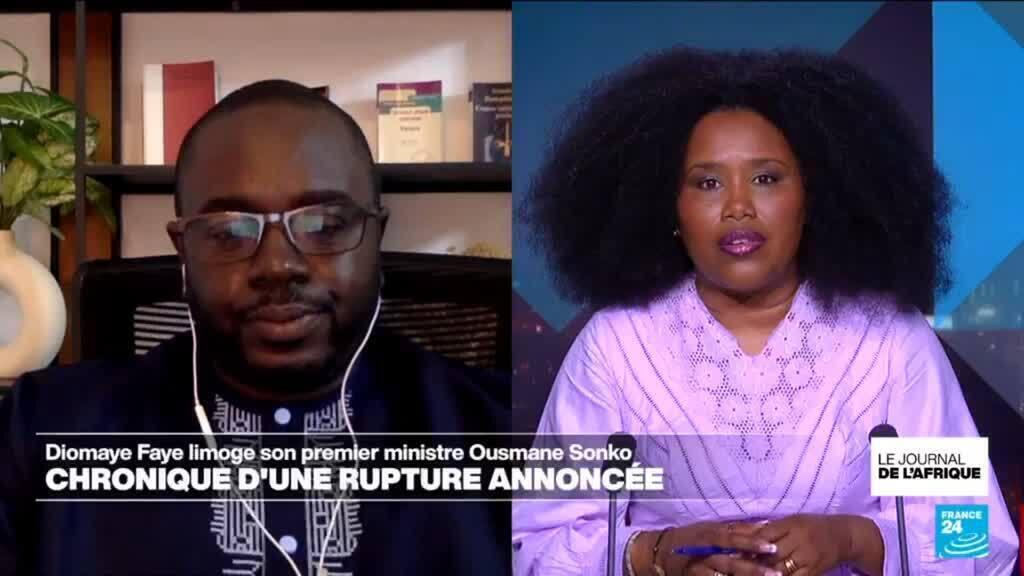
The political landscape in Senegal has been shaken by a sudden and decisive move: President Bassirou Diomaye Faye announced the dismissal of Prime Minister Ousmane Sonko on May 22, 2026. This decision marks the end of a collaboration that once symbolized the promise of a fresh start for the country, following the era of former President Macky Sall. But what drove this rupture, and what does it mean for Senegal’s future?
From allies to adversaries: the unraveling of a political partnership
Once united by a shared vision for change, Bassirou Diomaye Faye and Ousmane Sonko have now become emblematic of the fractures within Senegal’s leadership. Their partnership, which captivated the nation with the hope of reform and renewal, has collapsed under the weight of internal rivalries, governance disputes, and clashing priorities over economic policies and power dynamics.
The roots of the conflict
Several key factors contributed to the inevitable split between the two leaders. First, competing ambitions for control over the direction of the country emerged as Faye assumed the presidency. While Sonko, a prominent opposition figure before his appointment, had his own agenda for structural reforms, Faye sought to assert his authority in reshaping the nation’s trajectory.
Second, tensions over governance intensified as the two leaders clashed over the pace and scope of reforms. Sonko, known for his outspoken critiques of the previous administration, pushed for sweeping changes, while Faye adopted a more cautious approach, prioritizing stability amid regional uncertainties.
Third, economic divergences played a critical role. Sonko advocated for bold, immediate economic transformations to address youth unemployment and poverty, while Faye emphasized gradualism to avoid destabilizing the fragile economic recovery post-pandemic. These differences highlighted a fundamental mismatch in their visions for Senegal’s development.
The breaking point
The final straw came with power struggles over key ministerial appointments and policy decisions. Reports of behind-the-scenes negotiations breaking down and mutual distrust growing between the two figures reached a peak, making collaboration untenable. Faye’s decision to remove Sonko as PM was not merely an administrative act but a strategic move to consolidate his leadership and distance himself from the controversies tied to his former ally.
What comes next for Senegal?
The fallout from this political earthquake is already being felt across the country. With Sonko’s departure, Faye now faces the challenge of restoring confidence among both the public and international partners. The reshuffling of the cabinet and the appointment of a new Prime Minister will be closely watched, as they will signal the direction the government intends to take in the coming months.
Meanwhile, Sonko’s political future remains uncertain. Once a rising star in Senegalese politics, his dismissal could either push him further into opposition or force him to reconsider his strategy. His supporters, who once saw him as a champion of the people, may now demand answers—or demand action.
For Senegal, this crisis is more than just a leadership shuffle. It is a test of the resilience of its democratic institutions and the durability of its reforms. The coming weeks will reveal whether Faye can navigate these turbulent waters without further fracturing the fragile consensus that once defined his presidency.


 Boureima Amadou