Boureima Amadou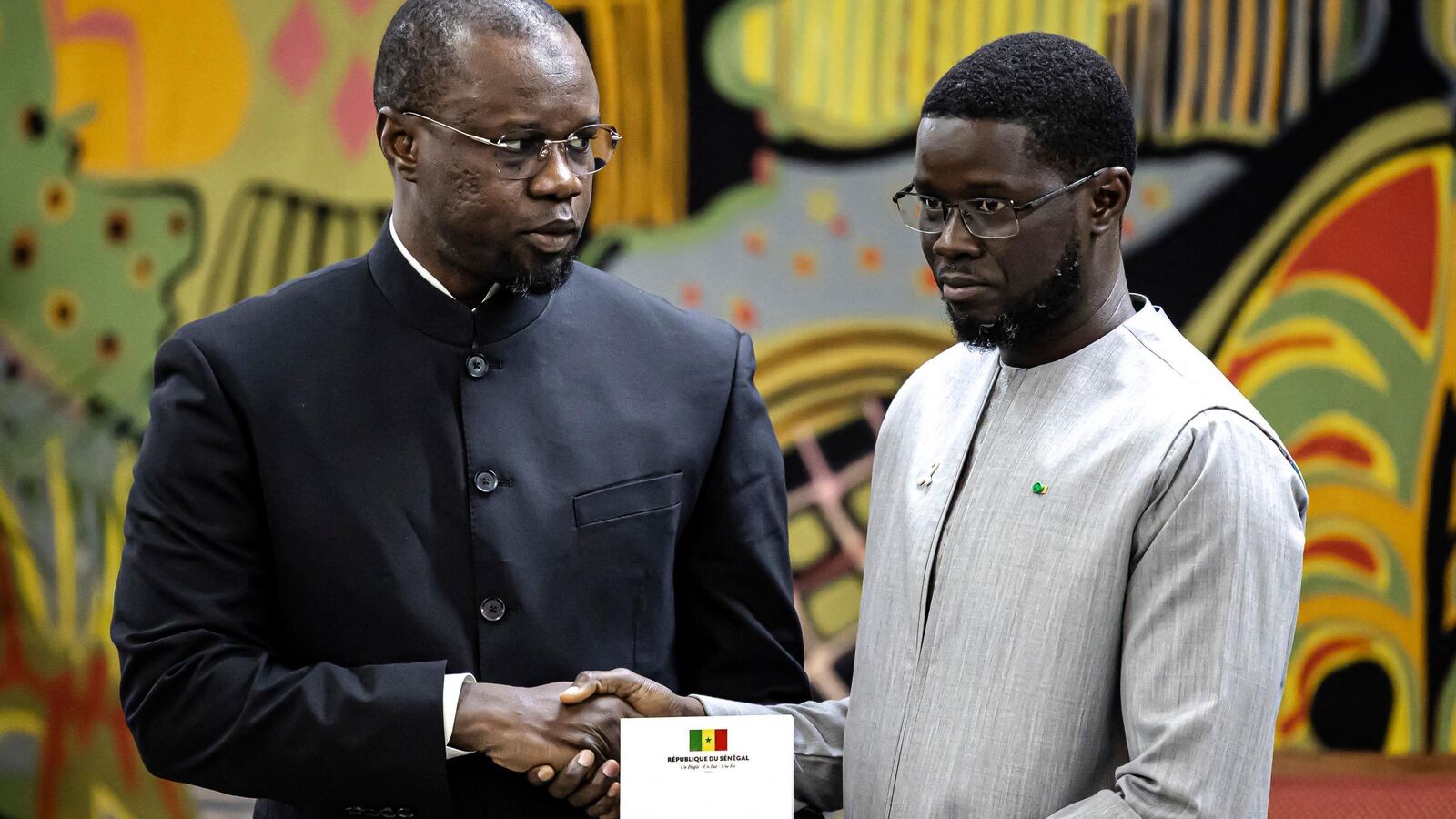
Rivalités politiques, crise économique : au Sénégal, la lune de miel est terminée entre Sonko et Faye
Limogé de son poste par le président Faye, le Premier ministre, Ousmane Sonko vient de se faire élire à la tête de l’Assemblée nationale. Un poste qui le désigne comme rival numéro un du chef de l’État.
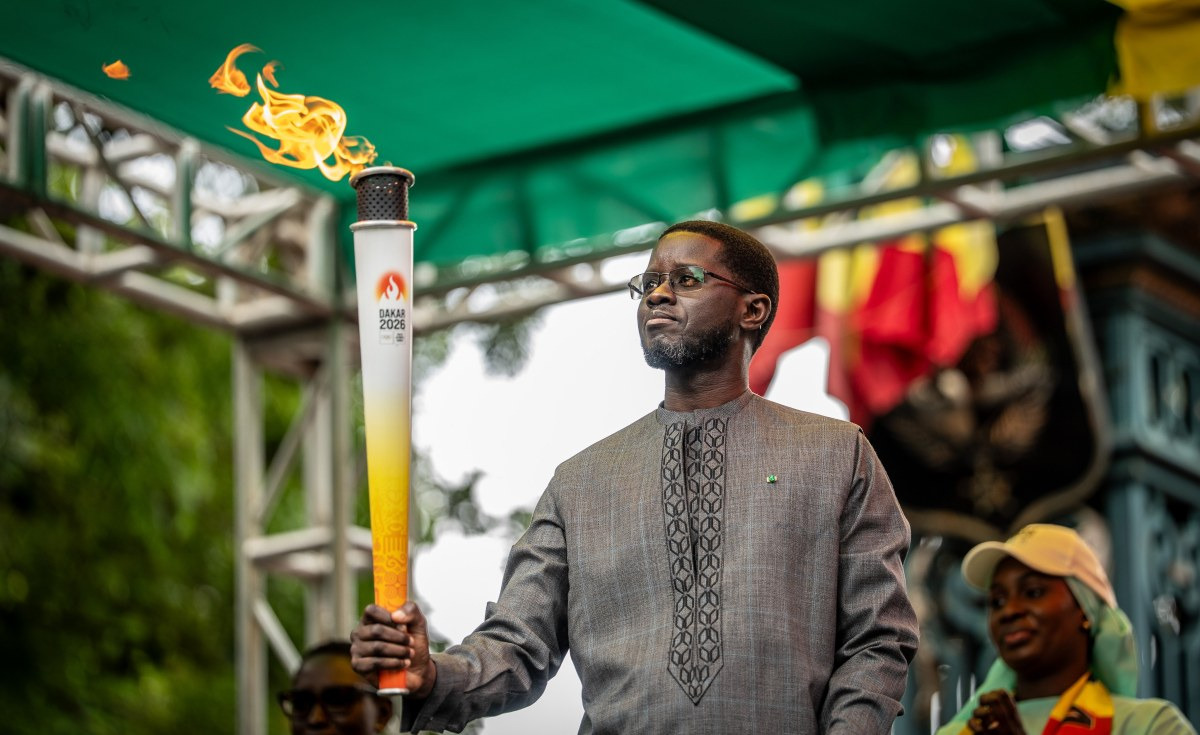
The political alliance that once seemed unbreakable in Senegal has fractured. President Bassirou Diomaye Faye and his former Prime Minister Ousmane Sonko, whose 2024 presidential campaign was defined by the unifying Wolof slogan « Diomaye Moy Sonko » (meaning “Diomaye is Sonko”), now find themselves at odds. Their period of close collaboration, which successfully ousted former President Macky Sall (who governed from 2012 to 2024), has concluded. This swift breakdown of their shared governance can be attributed to burgeoning political rivalries, the inherent challenges of exercising power, and the pressing economic difficulties facing the nation.
On May 22, President Faye removed Sonko from his prime ministerial duties. However, the charismatic politician quickly reasserted his influence, returning to his parliamentary seat in the National Assembly. Almost immediately thereafter, Sonko secured the powerful position of Speaker, making him the second-highest-ranking official in the Senegalese state. This new role not only designates him as the constitutional successor to President Faye but also firmly establishes him as the President’s foremost political adversary, marking a significant shift in African governance and current affairs.
 Lire le journal

 Mariama Hamani