Mariama Hamani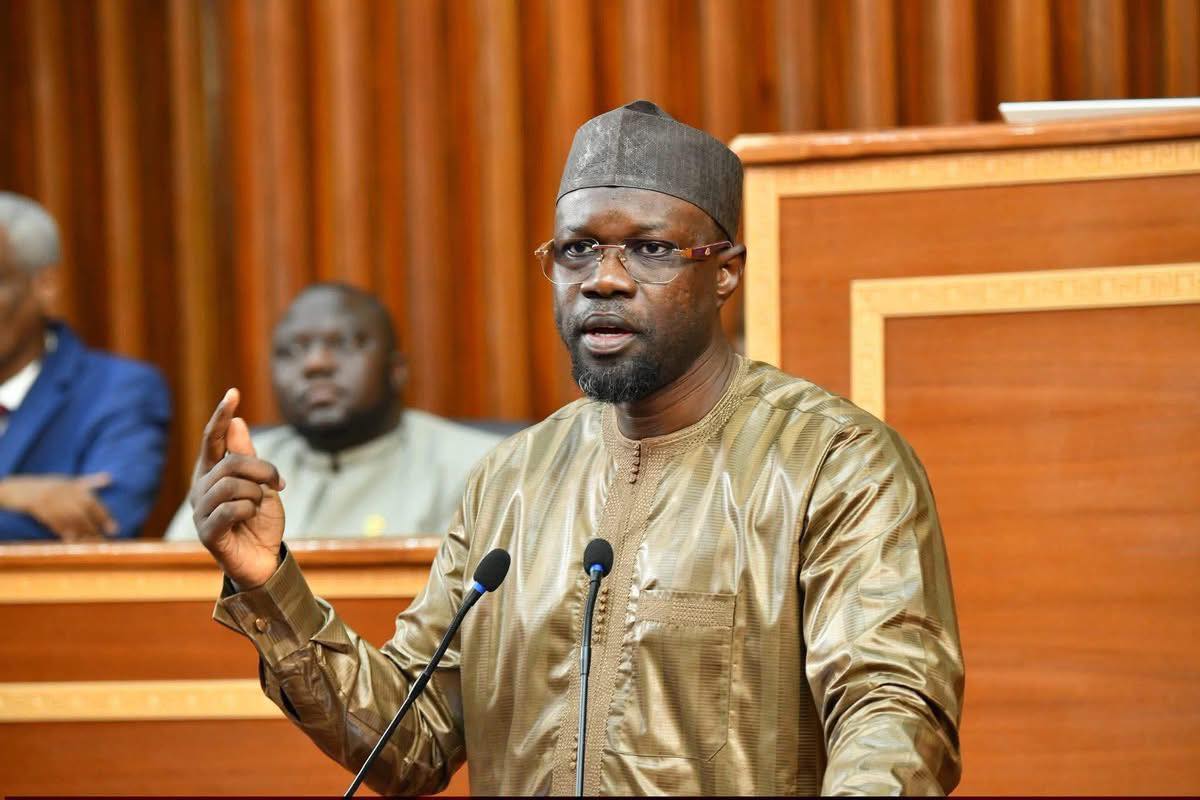
The political landscape of the Senegal has witnessed a dramatic shift, with Ousmane Sonko ascending to the presidency of the National Assembly in a whirlwind of institutional maneuvering. This strategic move has not only redefined the balance of power but also raised pressing questions about the future of governance in the country.
From opposition leader to parliamentary powerhouse
Following a rapid sequence of events, Ousmane Sonko—once a prominent figure in the opposition—has secured a pivotal role within the state apparatus. His appointment to the helm of the National Assembly, a position traditionally reserved for allies of the executive branch, has sent shockwaves through the political establishment.
The transition was as abrupt as it was calculated. Barely had the dust settled on his removal from previous political roles when the sudden resignation of the incumbent Assembly President paved the way for Sonko’s swift ascension. This calculated timing suggests a premeditated strategy aimed at consolidating influence at the highest levels of decision-making.
A legislative stronghold with far-reaching implications
With control over the legislative agenda, budgetary allocations, and lawmaking processes, Ousmane Sonko now wields unprecedented leverage. Critics warn that this concentration of power could trigger a prolonged period of institutional paralysis, stalling critical reforms and undermining the executive’s ability to govern effectively.
« The lines between political opposition and institutional obstruction have blurred, » remarked a political observer familiar with the unfolding dynamics. « What we are witnessing is not merely a shift in alliances but a potential stalemate that could paralyze the state. »
Power through strategy or ambition?
The rapid ascent of Ousmane Sonko has drawn sharp criticism from his adversaries, who accuse him of prioritizing personal ambition over the public good. Once hailed as a champion of reform, his critics now portray him as a pragmatic operator willing to exploit institutional weaknesses for his own gain.
Today, as the newly minted President of the National Assembly, Sonko holds a position of considerable influence—one that he has pursued relentlessly since entering the political arena. The question remains: Will this power be used to advance the interests of the Senegalese people, or will it serve as a stepping stone toward a broader confrontation with the executive branch?
The road ahead: institutions under pressure
The political reconfiguration currently underway in Senegal signals the beginning of a new chapter fraught with uncertainty. As alliances shift and power dynamics realign, the stability of the state hangs in the balance. One thing is certain: the battle for control over Senegal’s institutions has only just begun.

 Boureima Amadou