Mariama Hamani
Senegal’s historic budget showdown: how the 2026 finance law hit a political wall
The government of Senegal has suffered an unprecedented setback that marks a decisive turning point in its relationship with parliament. After three successive rejections—including two in the finance committee and one on the floor—the revised 2026 Finance Bill has been definitively shelved. The move freezes the fiscal adjustments demanded by Finance Minister Cheikh Diba and exposes deep divisions within the state, particularly between the presidency and the ruling parliamentary bloc.
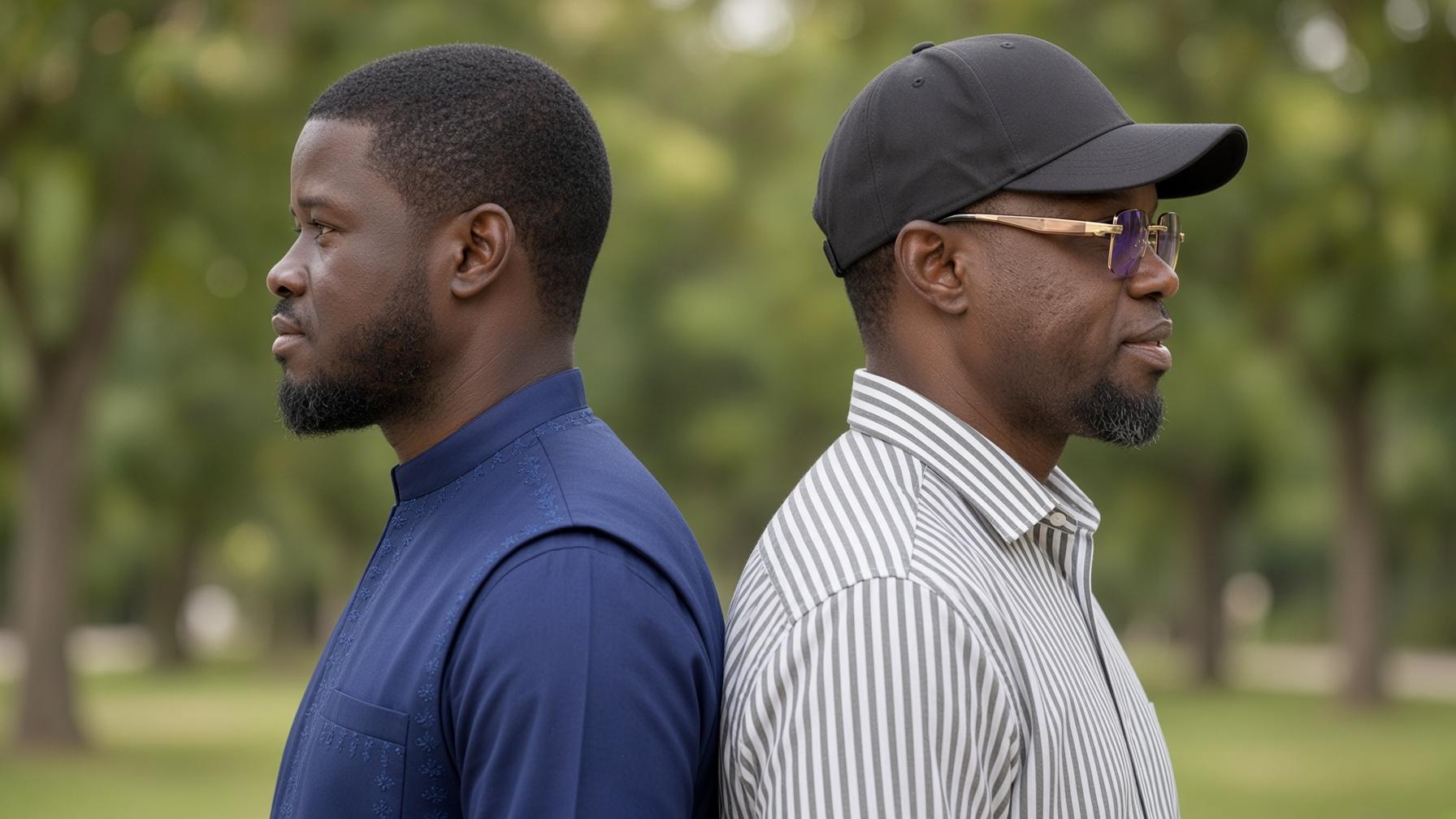
Beyond technical disagreements, this historic parliamentary roadblock signals a major institutional rupture. The crisis reveals a growing rift between President Bassirou Diomaye Faye’s executive team and the parliamentary group led by Prime Minister Ousmane Sonko, whose delegates have systematically blocked the bill. Parliamentarians argue the government has overstepped its mandate, imposing a fiscal framework they deem both opaque and socially harmful.
Inside the parliamentary rebellion: where political strategy clashes with fiscal reality
The repeated rejections stem from a strategic divide that has widened into open confrontation. The driving force behind the blockades is the legislative caucus of the ruling coalition, Pastef, whose deputies—under Ousmane Sonko’s leadership—have refused to endorse the revised budget on principle.
The standoff’s roots lie in opposing visions of governance and economic stewardship. While the executive has pushed austerity measures to curb public spending, the parliamentary bloc has framed the bill as an assault on social investment and fiscal transparency. Sonko’s deputies have accused the government of bypassing legislative oversight, pursuing cuts without adequate justification or public scrutiny.
In a rare show of unity, the parliamentary majority has rejected the idea that the budget should be approved under duress, insisting that fiscal sovereignty cannot be surrendered to executive fiat. The refusal to rubber-stamp the bill reflects a broader demand for accountability—a principle the deputies argue has been eroded by opaque debt management and insufficient social spending.
What the blocked budget would have changed—and why parliament said no
The government’s revised finance bill proposed sweeping cuts to public investment, targeting key social sectors. According to the finance committee, the proposed reductions totaled nearly 555 billion West African CFA francs, affecting critical infrastructure such as health centers, schools, housing, and flood-control programs. These cuts were presented as necessary to maintain fiscal discipline and avoid excessive deficit financing.
Parliamentarians, however, countered that the proposed cuts would disproportionately harm vulnerable communities. The finance committee highlighted the lack of transparency in debt negotiations and the absence of external audits on special funds—demands the government had not fully addressed in revised drafts.
The executive maintained a deficit ceiling of 1,735.2 billion FCFA (7.6% of GDP), a figure the deputies found inadequate to justify the proposed reductions. Despite last-minute concessions, including the possibility of further amendments, the parliamentary majority remained unconvinced, signaling that no cosmetic changes could salvage the bill.
Confrontation escalates: rhetoric, sovereignty, and the risk of institutional crisis
The public battle has escalated into a war of words. Government officials have accused parliament of “punishing the people” through obstruction, while deputies have accused the executive of undermining democratic oversight. The refusal to accept the bill as a fait accompli has become a matter of principle, with both sides invoking constitutional legitimacy.
The rhetoric has hardened as the crisis has deepened. The prime minister’s call for restraint has been met with counter-accusations of executive overreach. Parliament has reasserted its role as a fiscal watchdog, rejecting the notion that it should serve as a passive approver of government proposals. This clash over legislative authority has raised concerns about a potential constitutional crisis, with both branches of government staking claims to decisive fiscal power.
What comes next? Three paths forward—and growing dangers
The definitive rejection of the 2026 revised finance bill leaves the government with limited options, each carrying significant political and economic risks.
Option 1: Constitutional bypass
The executive could invoke Article 86 of the Constitution, bypassing parliament by issuing an ordinance to implement the budget or authorizing provisional twelfths (monthly spending allocations) while negotiations continue. While legally permissible, this strategy risks deepening the institutional standoff and eroding public trust in democratic processes.
Option 2: Political escalation
Facing what they view as a unilateral power grab, parliamentary leaders have not ruled out escalating tactics. A motion of no confidence could be introduced, potentially destabilizing the government and plunging the country into further political uncertainty.
Option 3: Delayed falloutA prolonged standoff would delay critical disbursements from international partners, including budget support and payments to state contractors. The finance ministry has warned that delays could disrupt essential services and slow economic recovery, particularly in social sectors already reeling from underinvestment.
Regardless of the path chosen, one thing is clear: Senegal stands at a constitutional and political crossroads. The triple rejection of the 2026 revised finance bill is not merely a fiscal failure—it is a turning point that demands bold leadership and a renewed commitment to democratic governance.
What’s at stake for Senegal’s economy and citizens
The failure to pass the revised budget places immediate pressure on public finances. Without approved allocations, key social programs face disruption, including health care, education, and environmental protection initiatives. International partners may delay disbursements, further straining the national budget and delaying critical infrastructure projects.
At the same time, the political standoff risks eroding investor confidence and increasing macroeconomic uncertainty. Markets and development partners are closely watching how Senegal navigates this crisis—whether through dialogue and compromise or through institutional confrontation that could escalate into a broader governance failure.
The coming weeks will be decisive. With the budget now frozen, the government, parliament, and civil society must find a path back from the brink—before fiscal paralysis becomes a full-blown governance crisis.