Mariama Hamani
Senegal moves forward with electoral reforms as President Bassirou Diomaye Faye signs key amendments
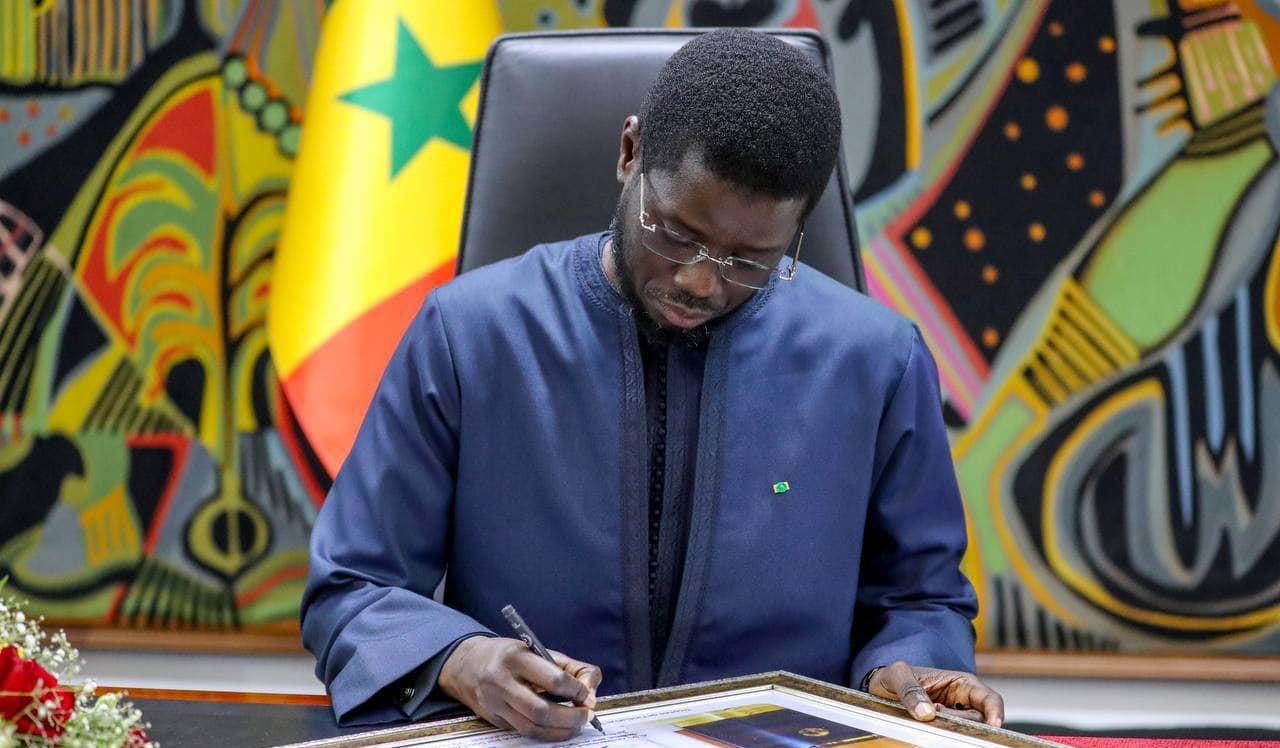
President Bassirou Diomaye Faye has officially enacted articles L29 and L30 of Senegal’s electoral code, marking a pivotal step in the country’s electoral framework reform. This landmark decision follows a second parliamentary review and addresses critical aspects that will shape the upcoming electoral processes.
Parliamentary approval paves the way for legal changes
The electoral code amendments underwent rigorous legislative scrutiny. After an initial presidential return of the bill on May 7, 2025 citing technical discrepancies, the National Assembly reconvened for emergency deliberations. The revised text received parliamentary approval on May 11, 2025 through fast-track procedures, demonstrating the urgency and consensus surrounding these electoral reforms.
While circulating reports suggested a strict May 13 deadline for promulgation, constitutional experts clarified that the legal timeline remained within constitutional bounds, providing adequate time for formal enactment.
Key electoral reforms take effect
The newly enacted provisions, specifically articles L29 and L30, introduce significant adjustments to Senegal’s electoral framework. These amendments focus on:
- Eligibility criteria for electoral candidates, ensuring clearer and more inclusive participation standards
- Enhanced electoral processes, including streamlined procedures for voter registration and polling station management
- Strengthened legal safeguards to uphold electoral integrity and transparency
By signing these amendments into law, President Bassirou Diomaye Faye has cemented the legal foundation for fairer and more transparent elections in Senegal. The reforms reflect the administration’s commitment to democratic principles and responsive governance.


 Boureima Amadou