Boureima Amadou
Senegal’s economic divide: Sonko vs Faye clash over debt and growth strategy
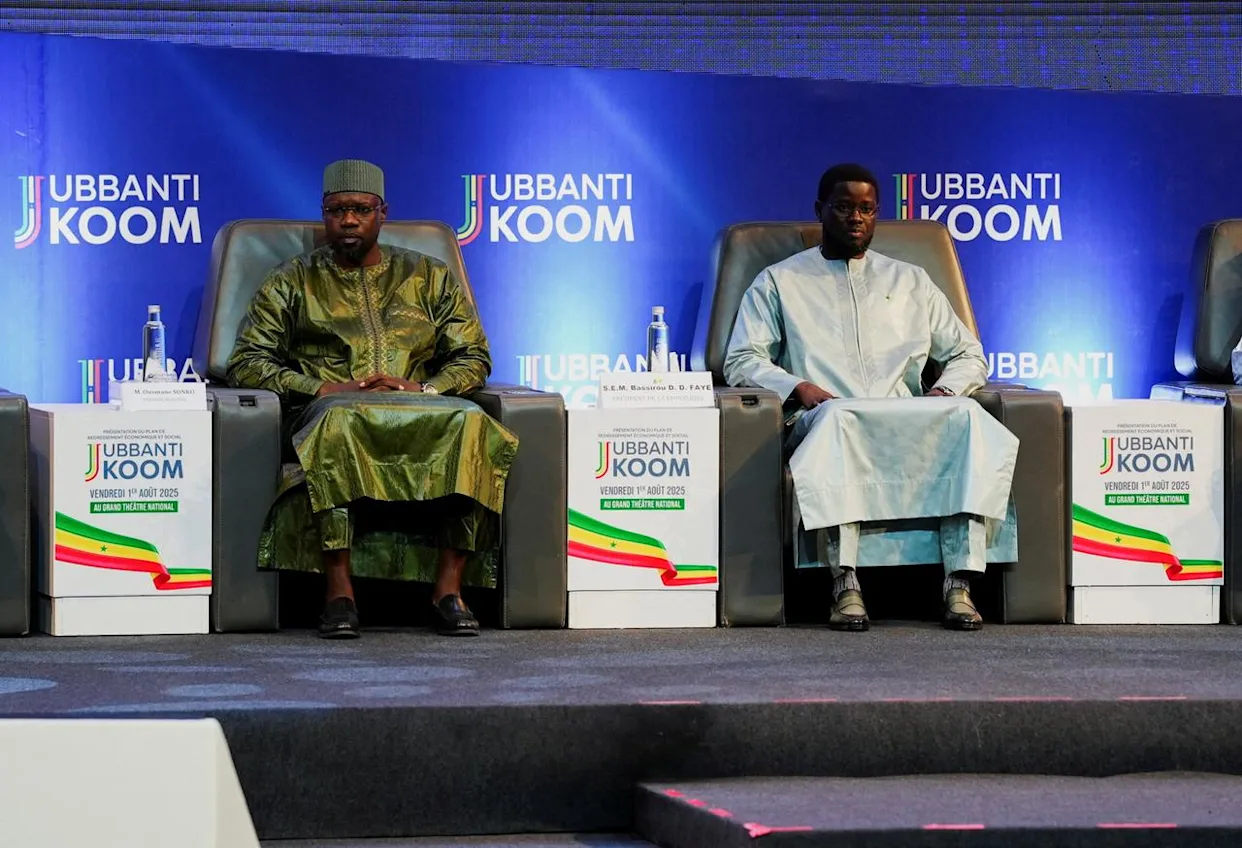
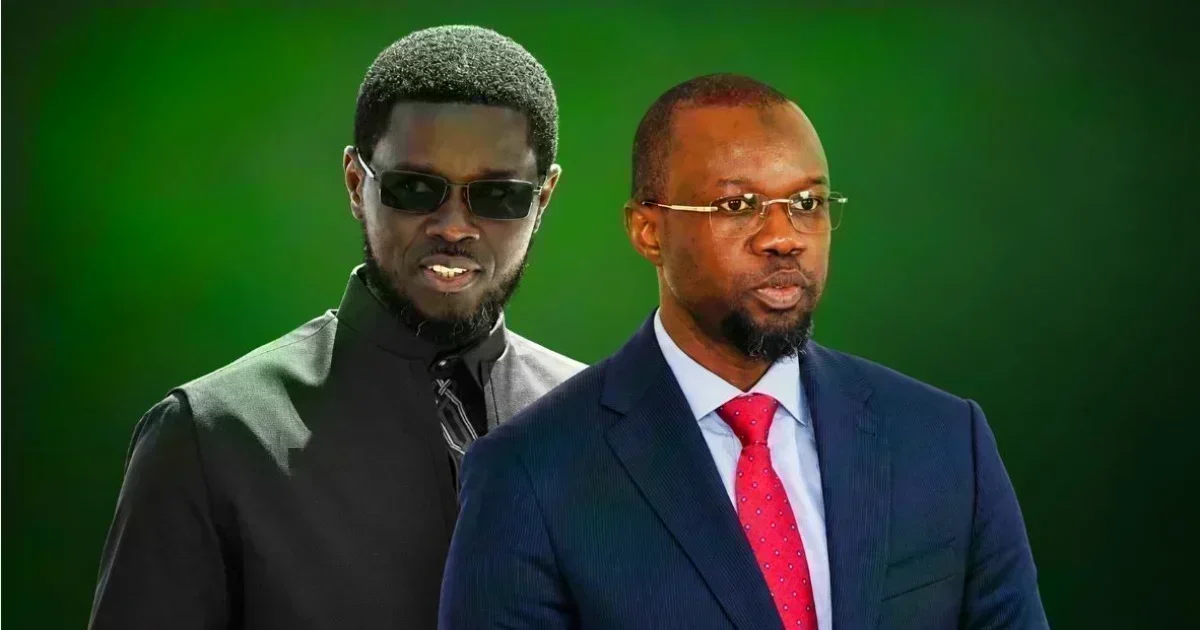
The dismissal of Ousmane Sonko by President Bassirou Diomaye Faye on May 23, 2026, marks more than just a political shake-up. It reflects the irreconcilable tension between two fundamentally opposed economic visions that have long coexisted uneasily under the same national banner. Two years after Faye’s historic April 2024 election victory—which saw Sonko appointed Prime Minister—this leadership duo has fractured over three critical economic questions shaping Senegal’s future: debt management, hydrocarbon development, and the role of foreign capital in domestic policy.
Debt management: the most glaring divide
The most visible fault line between the two leaders revolves around national debt. In September 2024, Sonko publicly exposed billions in previously undisclosed government debt accumulated under former President Macky Sall’s administration. By March 2025, an International Monetary Fund assessment confirmed approximately €7 billion in unreported liabilities, pushing the country’s total debt burden beyond 100% of GDP. Annual debt servicing now consumes 5,500 billion West African francs (€8.4 billion), with annual refinancing needs approaching 6,000 billion francs (€9.1 billion). The country’s sovereign credit rating has been downgraded three times in just twelve months.
Faced with this fiscal reality, the two leaders pursued diametrically opposed strategies. Sonko refused any debt restructuring, making the public denunciation of past governance the cornerstone of his political messaging. His approach resonated deeply with public opinion, the diaspora community, and his militant base. To agree to restructuring would, in his view, have amounted to legitimizing the failures of the previous regime. Faye, conversely, adopted a pragmatic path. He initiated sustained engagement with the IMF, hosted the Fund’s delegation in November 2025, and launched a national dialogue process in May 2026 to address the crisis.
With the suspended €1.55 billion IMF program, closed international capital markets, and the looming specter of sovereign default by 2028, Sonko’s position became economically untenable even as it remained politically potent for mobilizing his Patriotes africains du Sénégal pour le travail, l’éthique et la fraternité (PASTEF) party base.