Boureima Amadou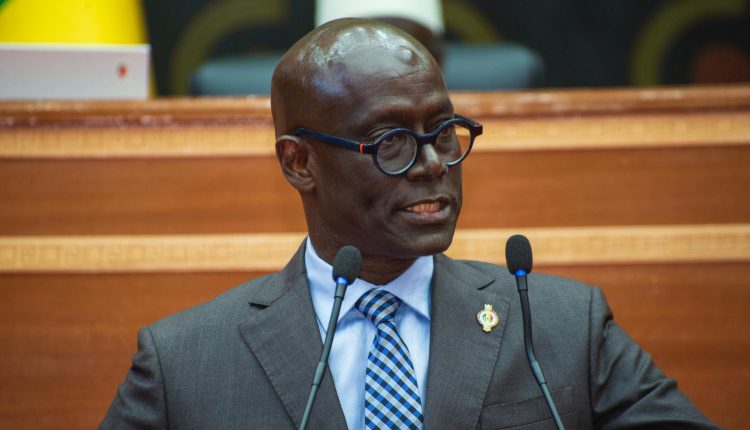
Listen now
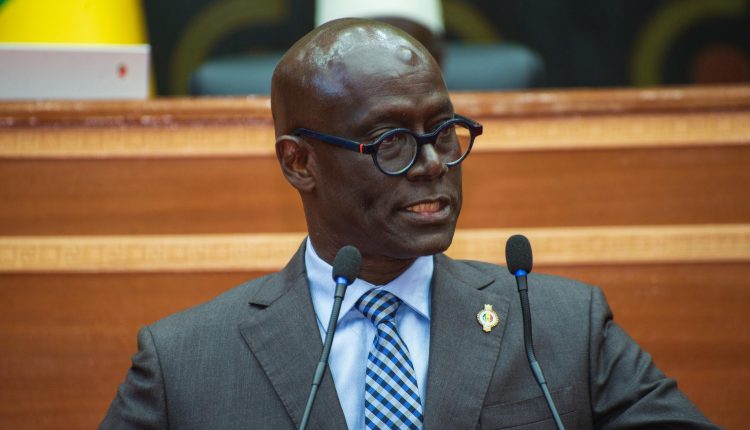
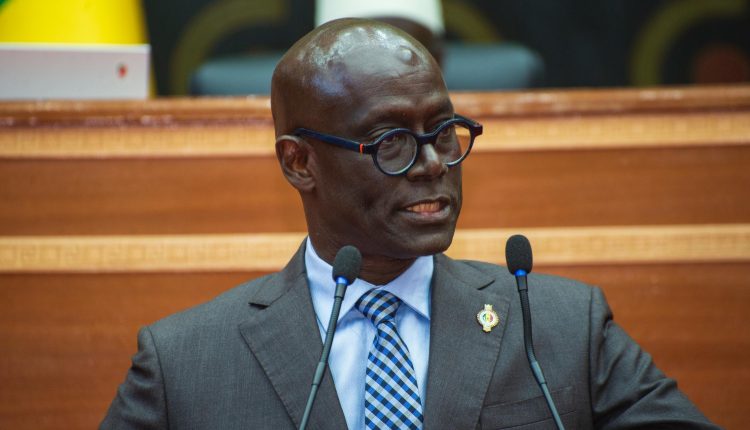
The international ratings agency, Moody’s, has recently downgraded Senegal’s sovereign credit rating from Caa1 to Caa2. This decision, announced on August 28, 2026, stems from significant refinancing pressures facing the nation and the protracted absence of a formal program with the International Monetary Fund (IMF). However, for Member of Parliament Thierno Alassane Sall, who also leads the République des Valeurs (RV) party, the country’s economic woes are a direct consequence of the “irresponsible fratricidal war” unfolding between President Diomaye Faye and his former political mentor, Ousmane Sonko.
Sall articulated his concerns, stating, “Unsurprisingly, Senegal’s rating has once again been lowered by Moody’s. This downgrade is partly attributable to the reckless internal conflict waged by the ill-named ‘Kiiraay’ and ‘Pastef’ factions, between Diomaye and Sonko. This is who Senegalese citizens can hold responsible for a portion of the worsening of their living conditions, the intensification of their suffering, and the widespread social hardship.” His remarks highlight a critical perspective on African current affairs and governance within the nation.
Furthermore, the legislator urged the populace to “remember, during upcoming elections, the accountability, and above all, the carelessness of both the executive and parliament in the face of the trials they are enduring,” advocating for their removal from power. This call reflects growing sentiment regarding political leadership and its impact on the continent’s stability.
The downgrade occurs at a pivotal moment, as an IMF mission is currently engaged in discussions with the Senegalese government in Dakar, aiming to establish a new financial program to address the nation’s economic challenges.
Sall articulated his concerns, stating, “Unsurprisingly, Senegal’s rating has once again been lowered by Moody’s. This downgrade is partly attributable to the reckless internal conflict waged by the ill-named ‘Kiiraay’ and ‘Pastef’ factions, between Diomaye and Sonko. This is who Senegalese citizens can hold responsible for a portion of the worsening of their living conditions, the intensification of their suffering, and the widespread social hardship.” His remarks highlight a critical perspective on African current affairs and governance within the nation.
Furthermore, the legislator urged the populace to “remember, during upcoming elections, the accountability, and above all, the carelessness of both the executive and parliament in the face of the trials they are enduring,” advocating for their removal from power. This call reflects growing sentiment regarding political leadership and its impact on the continent’s stability.
The downgrade occurs at a pivotal moment, as an IMF mission is currently engaged in discussions with the Senegalese government in Dakar, aiming to establish a new financial program to address the nation’s economic challenges.
Follow updates :