
 Mariama Hamani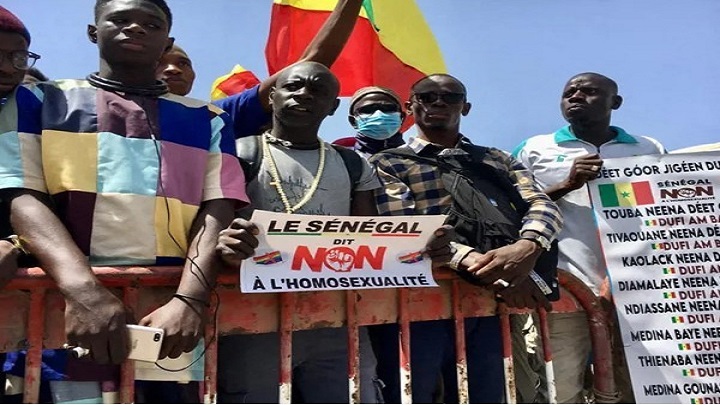
- current affairs
- AFRICA
Senegal’s anti-LGBT law sparks diplomatic friction with France
Tensions have escalated between Senegal and France following two major developments: the passage of a stricter anti-LGBT law in Dakar and the detention of a French national in the capital earlier this year. These incidents, unfolding against a backdrop of already strained bilateral relations, have ignited fierce debates over human rights, state sovereignty, and the future of diplomatic ties between the two nations.
The new legislation, approved by Senegal’s National Assembly on March 11, 2026, significantly tightens penalties for same-sex relationships. Government officials argue the reform aligns with Senegal’s cultural and religious values, reinforcing a legal framework that has long criminalized homosexuality. While the country’s laws were already restrictive, the updated provisions introduce harsher punishments, drawing swift condemnation from international observers and human rights advocates.
Compounding the controversy, a French engineer in his early 30s was arrested in Dakar on February 14, 2026. Diplomatic sources confirm he faces multiple charges, including “unnatural acts,” criminal association, money laundering, and the alleged transmission of HIV. The French consulate has maintained close contact with the detainee and his family throughout the ordeal.
France’s political leadership has been vocal in its response. High-ranking officials condemned Senegal’s treatment of LGBT+ individuals and the conditions of the French detainee’s imprisonment. Prominent figures, including a senior French parliamentarian, condemned the criminalization of sexual orientation as a violation of fundamental rights, emphasizing the need to protect vulnerable groups from discrimination and violence.
Reactions to these statements have been sharply divided. Some view them as justified advocacy for human rights, while others argue they constitute unwarranted interference in Senegal’s domestic affairs. The debate underscores the delicate balance between universal human rights principles and respect for national sovereignty—a divide that has grown more pronounced in recent years as both countries reassess their partnership.
For decades, Dakar and Paris have worked to redefine their relationship, focusing on economic cooperation, security collaboration, and diplomatic alignment. Yet, this evolving dynamic has frequently been tested by disagreements over contentious issues, with LGBT+ rights emerging as a flashpoint. While activists push for international protections for persecuted sexual minorities, others insist on upholding national laws and cultural norms, even when they conflict with Western ideals.
The case of the detained French national is more than an isolated incident—it reflects deeper, systemic tensions between differing interpretations of freedom, justice, and individual liberties. As officials from both sides continue negotiations, the relationship between Senegal and France remains a study in contrasts: cooperation and confrontation coexisting in an increasingly visible struggle over values and principles.
TAGS


 Boureima Amadou





