Mariama Hamani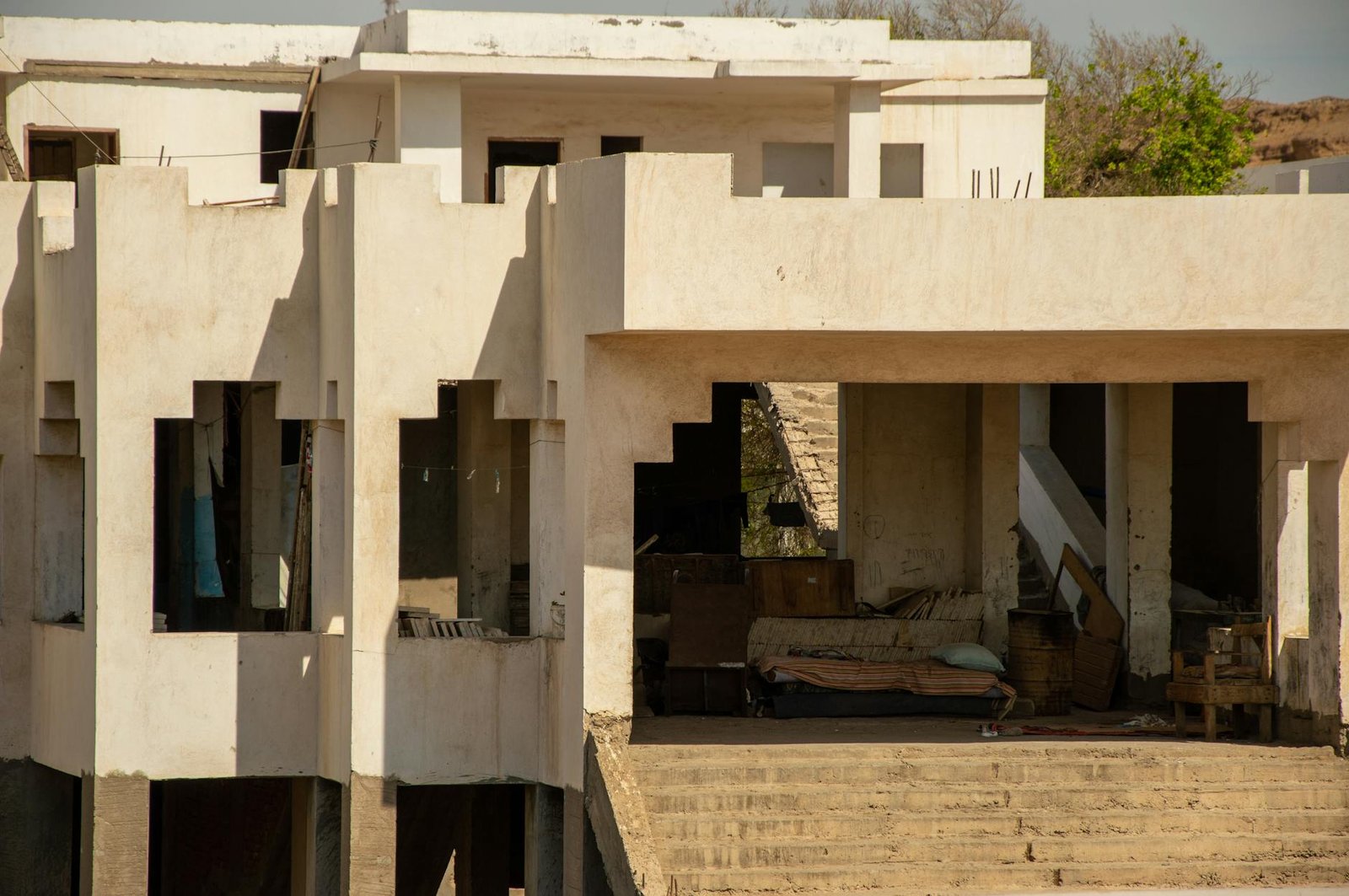
Senegal’s government is undertaking a sweeping review of its public asset portfolio, targeting 25 completed infrastructures that have never delivered the expected services. Official assessments reveal these dormant assets represent an aggregate value of 279 billion CFA francs—an immobilised budget with no economic or social return. The findings underscore a persistent flaw in public procurement: the disconnect between project completion and actual operational use.
Targeted audit of idle state properties
The initiative reflects a systematic evaluation of government-owned facilities. Teams have identified structures left idle despite physical completion, including administrative buildings, sector-specific facilities, and economic-purpose assets. These unused assets drain resources as maintenance, security, and potential deterioration costs accrue without any service delivery. The overarching goal in Dakar is to reintegrate these properties into productive or administrative use through redeployment, inter-agency sharing, or private partnerships. The approach prioritises granular analysis of why each infrastructure remains idle, with recurring issues including missing operating budgets, unassigned purposes at construction, or overlooked logistics for activation.
Budgetary pressures drive asset revival
This audit aligns with the government’s 2024 agenda, which prioritises financial transparency and expenditure control. Tracking internal savings responds to dual pressures: high debt servicing and a push to reduce reliance on external financing. Mobilising 279 billion CFA francs of already-paid assets creates fiscal breathing room without new borrowing. The exercise complements critical reviews of public contracts and parastatal accounts, reinforcing a core principle: before increasing taxes or launching new projects, existing resources must be fully utilised. This strategy echoes long-standing critiques by the Audit Court, which has repeatedly flagged weak post-delivery management in Senegal’s public procurement.
Strengthening project governance and accountability
Beyond financial figures, the review exposes gaps in infrastructure governance. Delivery marks the start—not the end—of an asset’s economic life. Yet the lifecycle from design to financing, construction, and operation remains fragmented across ministries and agencies, creating blind spots. International financiers have long advocated for clearer responsibility chains throughout the project cycle. For the 25 sites identified, potential solutions include reassigning idle buildings to replace private office leases, privatising underused assets via tenders, or addressing missing components like equipment and staffing to activate original service plans. Final decisions will depend on case-by-case evaluations and future budget allocations.
This public asset revival effort tests the administration’s credibility, demanding transparent progress tracking and verifiable indicators. Senegal’s approach could serve as a model for other regional economies grappling with the ‘ghost infrastructure’ phenomenon, where unutilised assets erode the return on public investment.

 Boureima Amadou